Creatine is the most studied supplement in sports science history — with over 500 peer-reviewed studies spanning 40+ years. It’s one of only a handful of supplements with unequivocal evidence for safety and effectiveness. Yet myths, confusion, and misunderstanding persist. Here is everything the research actually shows.
What Is Creatine?
Creatine is a naturally occurring compound synthesized in the liver, kidneys, and pancreas from amino acids arginine, glycine, and methionine. About 95% is stored in skeletal muscle, with the remainder in the brain, heart, and testes.
The human body produces approximately 1–2 grams of creatine per day. You also obtain creatine from food — primarily red meat and fish (1kg of beef contains ~5g creatine). However, cooking destroys a significant portion.
Vegetarians and vegans have naturally lower creatine stores (about 20–30% less muscle creatine than omnivores), making supplementation particularly beneficial for them.
The Science of How Creatine Works
The ATP-PCr Energy System
During high-intensity, short-duration exercise (sprinting, heavy lifting, jumping), your muscles primarily use the phosphocreatine (PCr) energy system.
Here’s the mechanism:
- ATP (adenosine triphosphate) is the direct energy currency of muscle contraction
- ATP is depleted within ~2 seconds of maximal effort
- Phosphocreatine donates its phosphate group to rapidly regenerate ATP (via creatine kinase enzyme)
- PCr can sustain maximal effort for ~6–8 seconds total
- After this, your body shifts to glycolysis (slower, produces fatigue metabolites)
Creatine supplementation increases PCr stores by 10–40%, meaning:
- More fuel for high-intensity bursts
- Faster recovery between sets
- Greater training volume possible
Secondary Benefits
Beyond direct ATP regeneration, creatine also:
- Buffers acidity in muscle cells (reduces burning sensation during intense effort)
- Enhances protein synthesis signaling
- Draws water into muscle cells (cell volumization), which may stimulate anabolic pathways
- Supports satellite cell activation (muscle stem cells involved in repair)
What the Research Shows: Performance Benefits
Strength and Power
Meta-analyses consistently show creatine supplementation produces:
- 8–14% increase in maximal strength (1RM)
- 10–17% increase in muscular power output (vertical jump, sprint speed)
- 5–15% increase in total training volume (more reps per set)
Muscle Mass
Creatine supplementation combined with resistance training increases lean muscle mass beyond training alone:
- Short-term (1–4 weeks): 1–2kg more lean mass (largely water weight in muscles)
- Long-term (12+ weeks): 1–3% greater muscle fiber cross-sectional area
The additional training volume enabled by creatine drives genuine muscle protein synthesis over time.
High-Intensity Sports
Benefits are clearest in activities lasting 6–120 seconds at high intensity:
- Sprinting
- Swimming (short events)
- Cycling sprints
- Team sports (football, basketball — repeated sprint ability)
- Weightlifting and powerlifting
Benefits are minimal for pure endurance sports (marathon, long-distance cycling), where the ATP-PCr system plays a minor role.

Brain and Cognitive Benefits
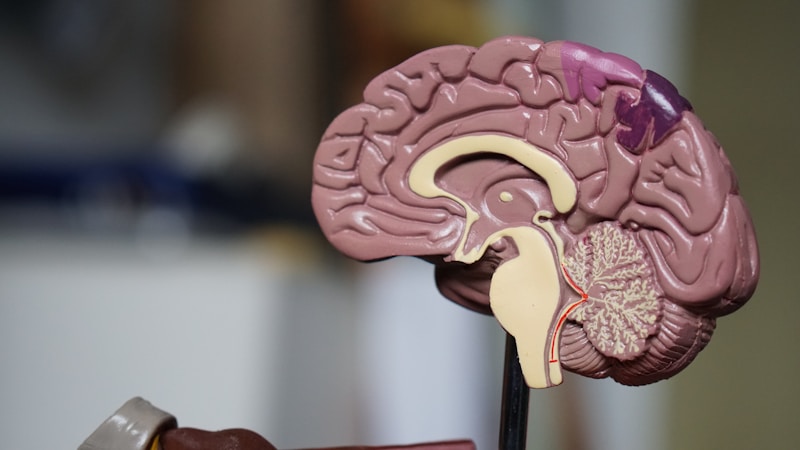
This is the most exciting emerging area. The brain contains creatine kinase and uses PCr for rapid ATP regeneration during cognitive tasks.
Research findings:
- Sleep deprivation: Creatine supplementation (20g/day for 24 hours) partially reverses cognitive decline from sleep loss
- Aging: Older adults show improved working memory and processing speed with creatine
- Vegetarians: Particularly strong cognitive improvements from baseline (due to low dietary creatine intake)
- Depression: Preliminary evidence of antidepressant effects, possibly via brain bioenergetics
- Concussion/TBI: Reduced injury severity markers in animal models; human trials ongoing
A 2022 systematic review concluded: “Creatine supplementation appears to offer measurable cognitive benefits, particularly during sleep deprivation, aging, and in individuals with low baseline creatine stores.”
How to Use Creatine
Type: Creatine Monohydrate
Despite dozens of creatine variants on the market (ethyl ester, buffered, hydrochloride, etc.), creatine monohydrate remains the gold standard. It’s:
- Most studied (virtually all research used monohydrate)
- Most cost-effective (~$0.10/dose vs $0.50–1.00 for “advanced” forms)
- Equally or more effective than alternatives in head-to-head studies
Dosing Protocol
Option 1: Loading Protocol (Faster saturation)
- Week 1: 20g/day divided into 4 × 5g doses
- Week 2+: 3–5g/day maintenance
Muscle creatine stores saturate in ~7 days.
Option 2: Consistent Daily Dosing (Just as effective, slower)
- 3–5g/day every day
- Full saturation occurs in ~28 days
Loading is not necessary. Both achieve the same endpoint.
Timing
Contrary to popular belief, creatine timing matters little. Studies comparing pre-workout, post-workout, and other timing find no significant differences in outcomes.
The one consistent finding: taking creatine with carbohydrates and/or protein slightly increases muscle uptake (via insulin-mediated creatine transport). Taking it with a meal is fine.
Who Benefits Most
- Vegetarians/vegans — substantially lower baseline stores; biggest performance improvements
- Older adults (>50) — age-related decline in creatine synthesis; benefits for muscle and cognition
- Hard-training athletes — maximizes training volume and recovery
- People with sleep deprivation — cognitive protection
- Beginners in strength training — amplifies early gains
Safety: What 40+ Years of Research Shows
Creatine monohydrate is among the safest supplements ever studied:
- Kidneys: Dozens of studies in healthy individuals show no kidney damage. Even doses of 30g/day for 5+ years show no renal effects. Caveat: Those with pre-existing kidney disease should consult a doctor.
- Liver: No liver damage observed at any dose in healthy individuals
- Hair loss/DHT: A single 2009 study (not replicated) found increased DHT in rugby players after loading. DHT is associated with male pattern baldness. This remains unconfirmed and is considered low concern.
- Muscle cramps/dehydration: No evidence in multiple large studies. Creatine may actually improve hydration by increasing intramuscular water.
- Long-term use: Studies up to 5 years show no adverse effects
Common Myths Debunked
“Creatine is a steroid” — False. Creatine is a naturally occurring amino acid derivative, not a hormone or steroid. It’s legal in all sports organizations.
“You need to cycle creatine” — No evidence supports cycling. Continuous use is safe and effective. Cycling only delays saturation of stores.
“Creatine causes bloating/water retention” — The water goes into muscle cells (intracellular), not subcutaneously. This actually makes muscles look fuller, not bloated.
“It only works for bodybuilders” — Creatine benefits athletes of all types, older adults, people with cognitive decline, and individuals with neuromuscular diseases.
“Expensive forms are better” — No. Creatine monohydrate outperforms or equals more expensive forms in every head-to-head study.
Who Should Not Take Creatine
- People with existing kidney disease (consult a doctor first)
- People with rare metabolic disorders (creatine synthesis deficiency — but these actually require creatine supplementation)
- Pregnant women (insufficient safety data)
Practical Summary
| Factor | Recommendation |
|---|---|
| Best form | Creatine monohydrate |
| Daily dose | 3–5g/day |
| Loading | Optional (20g/day × 7 days, then 5g/day) |
| Timing | Any time; with food/carbs is fine |
| Cost | ~$20–30 for 3-month supply |
| Safety | Excellent for healthy individuals |
| Duration | Can use indefinitely |
Key Takeaways
- Creatine monohydrate is the most researched supplement in history with an exceptional safety record
- It works by increasing phosphocreatine stores, enabling more high-intensity reps and faster recovery
- Evidence shows 8–14% strength gains, more lean mass, and cognitive benefits especially in sleep deprivation and aging
- 3–5g/day of creatine monohydrate is the optimal dose — loading is optional
- Vegetarians and older adults benefit most
- Expensive “advanced” forms are not better than plain monohydrate
- Buy the cheapest pharmaceutical-grade monohydrate you can find
Disclaimer: This article is for informational purposes. Consult a healthcare professional before starting any supplement regimen, especially if you have pre-existing medical conditions.