Stress Management: The Science-Backed Complete Guide to Reducing Cortisol
Stress is the modern epidemic. The American Psychological Association estimates that 77% of Americans regularly experience physical symptoms caused by stress, and chronic stress costs the US economy over $300 billion annually in healthcare and lost productivity.
But stress isn’t just unpleasant — it is physiologically destructive. Chronic stress shrinks the hippocampus (memory center), accelerates cellular aging, suppresses immunity, causes heart disease, and dramatically increases the risk of anxiety disorders and depression.
This guide explains the biology of stress and provides 15 evidence-based strategies to transform your relationship with it.
The Biology of Stress: Why It Destroys Your Body
The Stress Response System
When the brain perceives a threat, the hypothalamic-pituitary-adrenal (HPA) axis activates in milliseconds:
- Amygdala (threat detection center) sends alarm signal
- Hypothalamus releases CRH (corticotropin-releasing hormone)
- Pituitary gland releases ACTH
- Adrenal glands flood the body with cortisol and adrenaline
This “fight-or-flight” response evolved to handle immediate physical threats. The problem: the brain cannot distinguish between a lion attack and a work deadline. The same hormonal cascade fires for both.
What Chronic Cortisol Does to Your Body
| Body System | Effect of Chronic Cortisol |
|---|---|
| Brain | Shrinks hippocampus, impairs memory, reduces gray matter |
| Immune system | Suppresses T-cells and NK cells; increases susceptibility to illness |
| Heart | Increases blood pressure, cholesterol, and heart attack risk |
| Gut | Disrupts microbiome, increases gut permeability |
| Hormones | Lowers testosterone, estrogen; disrupts thyroid function |
| Sleep | Elevates nighttime cortisol, reduces deep sleep |
| Aging | Shortens telomeres (cellular aging accelerator) |
| Weight | Increases visceral fat storage (especially belly fat) |
The Cortisol-Anxiety Feedback Loop
Chronic stress → High cortisol → Impaired prefrontal cortex function (executive control) → Reduced ability to regulate emotions → More stress perception → Even higher cortisol.
This is why stressed people feel they can’t “just relax” — the very biology of chronic stress impairs the brain’s stress-regulation capacity.
Measuring Your Stress Load: The Allostatic Load Concept
Allostatic load refers to the cumulative physiological cost of chronic stress adaptation. It’s measured through:
- Morning cortisol levels
- Heart rate variability (HRV)
- Blood pressure
- Blood markers: inflammatory cytokines (IL-6, CRP), DHEA/cortisol ratio
- Telomere length
You don’t need labs to assess your stress load. Common signs of high allostatic load include:
- Waking up unrefreshed despite 7+ hours of sleep
- Persistent muscle tension (neck, shoulders, jaw)
- Digestive issues without clear cause
- Frequent illness (more than 3 colds per year)
- Difficulty concentrating or making decisions
- Irritability disproportionate to triggers
- Loss of interest in activities you used to enjoy
15 Evidence-Based Stress Reduction Strategies
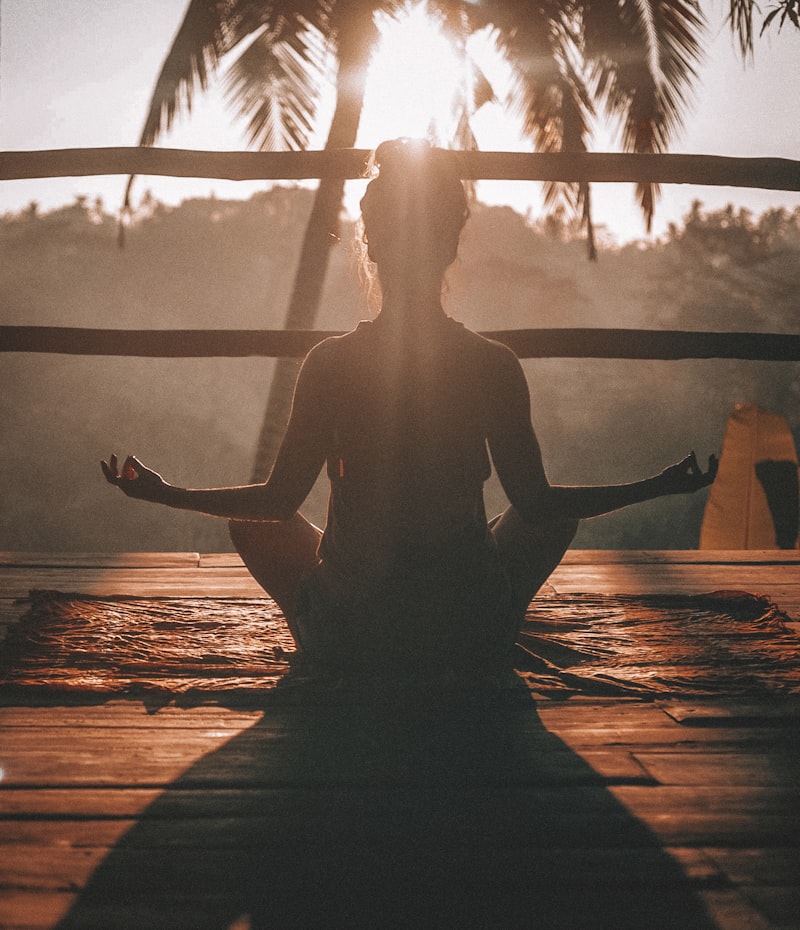
1. Mindfulness Meditation (Tier 1 Evidence)
The most extensively studied stress intervention. A 2014 meta-analysis in JAMA found that mindfulness-based stress reduction (MBSR) reduced anxiety by 38%, depression by 30%, and pain by 33%.
The mechanism: Meditation literally changes brain structure — increasing gray matter in the prefrontal cortex (rational brain) and reducing amygdala reactivity (threat brain). This is called neuroplastic stress inoculation.
How to start:
- 10 minutes daily is sufficient for measurable benefits
- Use apps: Headspace, Calm, Insight Timer (free), or Waking Up
- Body scan meditation is particularly effective for physical stress symptoms
- Consistency > duration
2. Physiological Sigh (Fastest Stress Relief)
Discovered by neuroscientists at Stanford, the physiological sigh is the fastest way to reduce acute stress — demonstrably faster than any meditation technique.
How to do it:
- Double inhale through the nose (one normal breath, then a short second sniff to fully inflate lungs)
- Long, slow exhale through the mouth
- Repeat 1–3 times
This activates the parasympathetic (rest-and-digest) system by deflating alveolar sacs and increasing carbon dioxide exhalation — the primary trigger of relaxation.
3. 4-7-8 Breathing
Another evidence-based breathing technique:
- Inhale through nose for 4 seconds
- Hold for 7 seconds
- Exhale through mouth for 8 seconds
- Repeat 4 cycles
The extended exhale activates the vagus nerve, directly stimulating the parasympathetic nervous system.
4. Regular Exercise
Exercise is arguably the most powerful prescription for stress. A 2019 meta-analysis of 49 studies found that exercise was 1.5x more effective than antidepressants for reducing depression and anxiety.
- Best types: Aerobic (running, cycling, swimming) for immediate stress relief; resistance training for longer-term anxiety reduction
- Intensity: Moderate is optimal — high-intensity exercise can temporarily spike cortisol
- Duration: 30–60 minutes, 3–5 days per week
- Mechanism: Reduces cortisol, increases BDNF, releases endorphins and endocannabinoids

5. Social Connection
Loneliness activates the same neural pain circuits as physical pain. Conversely, quality social connection:
- Reduces cortisol (oxytocin inhibits HPA axis activation)
- Lowers blood pressure and heart rate
- Extends lifespan (social isolation is as damaging as smoking 15 cigarettes/day)
Practical: Prioritize face-to-face time over digital communication. Even brief positive interactions (neighbors, baristas) contribute to reduced stress biomarkers.
6. Nature Exposure (Forest Bathing)
“Shinrin-yoku” (forest bathing) — spending time in natural environments — has a substantial evidence base:
- 20 minutes in nature reduces cortisol by 21% (University of Michigan, 2019)
- Reduces amygdala activity in areas processing stress
- Lowers blood pressure and heart rate more than urban walking
- Phytoncides (tree volatile organic compounds) may have direct biological effects
Minimum effective dose: 20 minutes in a natural setting, 3+ times per week.
7. Cold Exposure
Brief cold exposure (cold shower, ice bath) triggers a massive norepinephrine release that:
- Blunts the inflammatory stress response
- Improves stress tolerance over time (hormetic stress adaptation)
- Produces an endorphin spike that lasts for hours
Protocol: End showers with 30–90 seconds of cold water, 3–5 times per week. Build up gradually.
8. Journaling
Expressive writing about stressors has strong evidence for reducing psychological stress biomarkers. A 15-minute daily journaling practice has been shown to:
- Reduce cortisol and inflammatory markers
- Improve immune function
- Reduce intrusive stress-related thoughts (by processing them cognitively)
The most effective approach: Write freely about your thoughts, feelings, and concerns — not just events. Research by James Pennebaker shows that confronting emotional content is what provides relief.
9. Adaptogens (Evidence-Supported)
Several herbs have significant clinical evidence for reducing cortisol:
| Adaptogen | Evidence | Dose |
|---|---|---|
| Ashwagandha | Multiple RCTs; reduces cortisol 15–30%; reduces stress/anxiety | 300–600mg KSM-66 extract |
| Rhodiola rosea | Reduces fatigue and cortisol; improves stress resilience | 200–400mg/day |
| Phosphatidylserine | Blunts exercise-induced cortisol spike | 400–800mg/day |
| L-theanine | Reduces anxiety without sedation; synergistic with caffeine | 100–200mg |
10. Sleep Optimization
Sleep and stress are bidirectionally linked — poor sleep raises cortisol, and high cortisol impairs sleep. Breaking this cycle is critical.
- Consistent sleep/wake time (even weekends) stabilizes cortisol circadian rhythm
- Cool room temperature (65–68°F / 18–20°C) optimizes deep sleep
- Avoid cortisol-spiking activities 1–2 hours before bed: intense exercise, heated arguments, news consumption
- Magnesium glycinate (300–400mg) before bed has strong evidence for reducing nighttime cortisol and improving sleep quality
11. Cognitive Reframing
The brain’s stress response is triggered by perception of threat, not objective danger. Cognitive reframing changes the interpretation.
Techniques:
- Stress inoculation: Reframe stress as excitement (“I’m excited about this challenge”)
- Perspective shift: “Will this matter in 5 years?”
- Control focus: Identify what you CAN control and focus action there; release what you can’t
- Growth mindset: Treat stressors as challenges that build capability, not threats
12. Time in Sunlight (Circadian Regulation)
Morning sunlight (within 30 minutes of waking) sets the circadian clock and normalizes the cortisol awakening response (CAR), which should be high in the morning and decline throughout the day.
Irregular circadian rhythms flatten this curve, leading to low energy all day and poor stress regulation. 10 minutes of outdoor morning light — even on cloudy days — makes a measurable difference.
13. Reducing Caffeine
Caffeine directly stimulates cortisol and adrenaline release. For stressed individuals:
- Delay caffeine until 90–120 minutes after waking (let adenosine clear first)
- Cut off caffeine by 1–2pm (half-life is 5–7 hours)
- Watch total intake: >400mg/day significantly elevates anxiety in stress-prone individuals
14. Digital Boundaries
The “always-on” nature of modern digital life is a primary driver of chronic stress. The constant availability of bad news, social comparison, and work communication keeps the amygdala on alert.
Evidence-based practices:
- No phone in bedroom — reduces cortisol-spiking notifications at night
- Email checking windows (2–3 times daily) rather than continuous availability
- News diet: Once daily, 15 minutes maximum
- Social media audit: If using it makes you feel worse, use it less
15. Purpose and Meaning
People with a strong sense of purpose show measurably lower cortisol levels in response to stressors (Ryff et al.). Purpose doesn’t eliminate stress — but it changes the relationship with it.
Even small acts of meaning (volunteering, creative work, mentoring) buffer the physiological stress response.
Building a Stress Management Protocol
Morning stack (15 minutes):
- Sunlight within 30 min of waking
- 5 minutes of mindfulness or physiological sighs
- Delay caffeine 90 min
During work:
- 4-7-8 breathing when acute stress spikes
- Cognitive reframing: is this a threat or a challenge?
- 5-minute outdoor walk (nature exposure) at midday
Evening:
- Journaling: 10–15 min
- Cut digital devices 60 min before bed
- Magnesium glycinate 300mg
Weekly:
- Exercise 4–5x
- Social connection: prioritize face-time
- Nature immersion: 20+ min on 3+ days
The Bottom Line
Stress is not inevitable — it’s manageable. The science is unambiguous: chronic unmanaged stress is one of the biggest threats to human health, but the tools to counter it are available, accessible, and free or low-cost.
The key insight: stress management is not a luxury or self-indulgence. It is biological maintenance — as necessary as eating and sleeping.
Start with the highest-leverage interventions: 10 minutes of morning mindfulness, regular exercise, and protecting sleep. From this foundation, add other tools as they fit your life.
Your nervous system can be retrained. Your cortisol can be lowered. The brain that chronic stress has damaged can recover — because the brain, unlike almost any other organ, retains neuroplasticity throughout life.
This article is for informational purposes only and does not constitute medical advice. If you are experiencing severe anxiety, depression, or burnout, please consult a qualified mental health professional.