Sleep Optimization: The Complete Science Guide to Better Sleep Quality
Sleep is arguably the most important pillar of human health — yet it is the most chronically neglected. The CDC estimates that 1 in 3 Americans are regularly sleep deprived, and the global sleep economy (products and services for sleep problems) exceeds $585 billion annually.
This is not a luxury problem. A single night of 6 hours of sleep impairs cognitive function as severely as 48 hours of complete sleep deprivation. Chronic short sleep (consistently under 7 hours) is associated with obesity, type 2 diabetes, heart disease, Alzheimer’s disease, depression, and significantly increased all-cause mortality.
The good news: sleep is highly optimizable. Most people have never implemented even basic evidence-based sleep strategies.
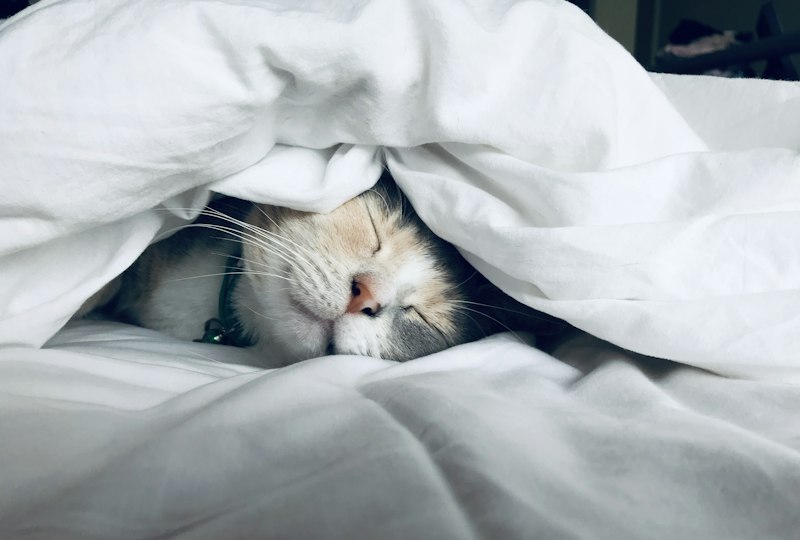
The Architecture of Sleep: What Actually Happens at Night
Sleep is not a passive state — it is an intensely active biological process with distinct stages, each serving critical functions.
The Sleep Cycle
A complete sleep cycle lasts approximately 90 minutes and cycles 4–6 times per night:
Stage 1: Light Sleep (N1)
- 1–7 minutes
- Transition from wakefulness
- Easily awakened
- Hypnagogic jerks (those “falling” sensations) occur here
Stage 2: Light-to-Moderate Sleep (N2)
- 10–25 minutes
- Heart rate slows; body temperature drops
- Sleep spindles and K-complexes appear (memory consolidation begins)
- You spend most of your total sleep time here (~50%)
Stage 3: Deep Sleep (N3/Slow-Wave Sleep)
- 20–40 minutes (longer in early night cycles)
- Hardest to wake from
- When physical restoration, immune function, and growth hormone release occur
- When “memory replay” consolidates learning from the day
- Decreases with age and alcohol consumption
Stage 4: REM Sleep
- 10–60 minutes (longer in late-night cycles)
- Brain activity resembles wakefulness
- When emotional processing and memory integration occur
- Dreams occur here
- Essential for creativity, pattern recognition, and emotional regulation
- Severely disrupted by alcohol — even moderate amounts
Why Sleep Cycle Timing Matters
- Early-night cycles are rich in deep sleep (physical restoration)
- Late-night cycles are rich in REM sleep (mental restoration)
- Cutting sleep short by even 1–2 hours disproportionately eliminates REM sleep
- Alcohol eliminates REM sleep even when it seems to “help” you fall asleep
This is why sleeping 6 hours instead of 8 doesn’t mean losing 25% of your sleep benefits — you lose a disproportionate amount of REM sleep (the cognitively and emotionally critical stage).
The Biology of Sleep: Circadian Rhythm and Sleep Pressure
Two systems govern when you sleep:
System 1: Circadian Rhythm (The 24-Hour Clock)
Every cell in your body runs on a ~24-hour biological clock, coordinated by the suprachiasmatic nucleus (SCN) in the hypothalamus. This clock is set primarily by light — specifically blue-wavelength light.
- Morning light → Signals “day” → Triggers cortisol awakening response, suppresses melatonin, sets the 16-hour timer for sleep onset
- Evening light → Delays the clock → Delays melatonin onset → Delays sleep
The blue light from screens (phones, computers, TVs) at night is particularly problematic because it falls in exactly the wavelength most potent at suppressing melatonin — the hormone that initiates sleep.
System 2: Sleep Pressure (Adenosine Buildup)
Adenosine is a byproduct of brain activity that accumulates throughout the day. The longer you’ve been awake, the more adenosine builds up, creating “sleep pressure.” Adenosine is cleared during sleep.
Caffeine works by blocking adenosine receptors — it doesn’t reduce adenosine, it just prevents you from feeling its accumulation. When caffeine wears off, all the unprocessed adenosine floods back — the “caffeine crash.”
20 Evidence-Based Sleep Optimization Strategies
Temperature
1. Cool your bedroom (65–68°F / 18–20°C) Body temperature must drop ~2°F to initiate sleep. A cool room facilitates this. Studies show cooler bedrooms significantly improve deep sleep. This is one of the single most effective interventions for sleep quality.
2. Cold shower or bath before bed Paradoxically, warming the skin (via shower) triggers peripheral vasodilation (blood flow to extremities), causing core temperature to drop rapidly — accelerating sleep onset.
Light Management
3. Get bright sunlight within 30 minutes of waking This is the most powerful circadian reset tool available. Sets the 16-hour timer for nighttime melatonin release. Even cloudy outdoor light (5,000+ lux) is vastly more powerful than indoor lighting (200–500 lux).
4. Dim all lights 2 hours before bed Overhead lighting is particularly suppressive of melatonin. Use dim, warm (orange/red wavelength) lamps in the evening. Many smart bulbs now include an “evening mode.”
5. No screens 1 hour before sleep (or use blue-light blocking glasses) If screens are unavoidable, blue-light blocking glasses with amber lenses have strong evidence for preserving melatonin production. Free alternatives: “Night Mode” on devices (reduces blue light; helps but less effective than glasses).
6. Sleep in total darkness Even light through closed eyelids reduces melatonin and impairs deep sleep. Use blackout curtains or a sleep mask. Cover glowing electronics with tape.
Timing and Schedule
7. Maintain a consistent sleep and wake time (including weekends) This is the #1 recommendation of sleep researchers — more impactful than any supplement. Inconsistent sleep schedules disrupt circadian rhythm, fragment sleep architecture, and reduce sleep quality even when total hours are maintained.
8. Don’t lie in bed awake for more than 20 minutes If you can’t sleep, get up and do a quiet, non-stimulating activity in dim light until you feel sleepy. Lying awake in bed trains the brain to associate bed with wakefulness (stimulus control therapy).
9. Avoid naps after 3pm If you nap, keep it to 20–30 minutes before 3pm. Longer or later naps reduce sleep pressure and delay nighttime sleep onset.
Substances
10. No caffeine after 1–2pm Caffeine has a half-life of 5–7 hours, a quarter-life of 10–14 hours. A 200mg coffee at 2pm still has 50mg active at midnight. Caffeine dramatically reduces deep sleep even when it doesn’t affect sleep onset.
11. Limit alcohol — especially close to bedtime Alcohol is one of the most potent REM sleep suppressors known. Even 2 drinks eliminate a significant portion of REM sleep. The “helps me sleep” effect is sedation, not sleep — the brain cannot perform the restorative functions of true sleep.
12. Front-load your eating Late-night eating raises core body temperature and metabolic activity, impairing sleep quality. Try to finish your last meal 2–3 hours before bed. If you need a bedtime snack, protein + carbohydrate (e.g., milk and crackers) promotes sleep through tryptophan metabolism.

Supplements (Evidence-Based)
13. Magnesium glycinate (300–400mg) Magnesium activates GABA receptors (the brain’s “off switch”) and reduces cortisol. Glycinate form is best absorbed and least likely to cause digestive issues. Strong clinical evidence for improved sleep quality, reduced nighttime cortisol, and sleep time.
14. Melatonin (0.3–1mg, not 5–10mg) Most commercially available melatonin doses are 10–30x higher than necessary. Physiological melatonin levels are 0.1–0.3mg. Low-dose (0.3–0.5mg) taken 30–60 min before desired sleep onset effectively shifts circadian phase. High doses cause receptor desensitization and next-day grogginess.
15. L-theanine (200mg) An amino acid found in green tea; promotes alpha wave activity (calm alertness → relaxed sleep). Works synergistically with GABA. No tolerance development. Most effective for anxiety-related sleep difficulty.
16. Glycine (3g) An inhibitory neurotransmitter and amino acid that lowers core body temperature (facilitating sleep onset) and improves deep sleep quality. Strong clinical evidence; safe; found naturally in skin, bone broth, gelatin.
Sleep Environment
17. Use your bed only for sleep and sex “Stimulus control” is one of the most effective behavioral treatments for insomnia. If you work, read, or watch TV in bed, the brain associates bed with wakefulness. Beds should trigger the sleep urge.
18. White noise or earplugs for noise disruption Sound is one of the most common sleep disruptors. White, pink, or brown noise masks environmental sounds. Apps: Calm, Noice, or simply a fan. Earplugs reduce middle-of-night awakenings significantly.
19. Optimize your mattress and pillow The most overlooked environmental factor. An unsupportive mattress causes micro-awakenings and reduces deep sleep even when you don’t consciously notice. Replace mattresses every 7–10 years; consider a mattress that sleeps cooler (foam retains heat).
Wind-Down Routine
20. Consistent pre-sleep routine (30–60 minutes) A consistent wind-down routine is a powerful cue for sleep onset. The brain learns to associate the routine with sleep. Effective components:
- Dim lights
- Warm shower or bath
- Reading (physical book, not screen)
- Light stretching or yoga
- Journaling (especially worry dump: write tomorrow’s tasks to “offload” them from active mental processing)
- Breathing exercises or meditation
Sleep Disorders: When to See a Doctor
If you have consistently poor sleep despite good sleep hygiene, consider:
Insomnia Disorder: Persistent difficulty falling or staying asleep despite adequate opportunity. First-line treatment: CBT-I (Cognitive Behavioral Therapy for Insomnia) — more effective and durable than any medication. Available via apps (Sleepio, Somryst) or therapists.
Sleep Apnea: Characterized by loud snoring, waking with gasping, morning headaches, and excessive daytime sleepiness. Often undiagnosed. Diagnosed by sleep study; treated with CPAP. Untreated sleep apnea dramatically increases cardiovascular disease and cognitive decline risk.
Restless Legs Syndrome: Uncomfortable sensations in legs at night that improve with movement. Associated with iron deficiency; check ferritin levels.
Circadian Rhythm Disorders: Extreme night owl (delayed sleep phase) or early bird (advanced sleep phase) that doesn’t match lifestyle demands. Bright light therapy and melatonin can help shift the clock.
Tracking Sleep Quality
Wearables (Oura Ring, Apple Watch, WHOOP, Garmin) can provide useful data on:
- Total sleep duration
- Sleep consistency
- Heart rate variability (HRV) — proxy for recovery quality
- Resting heart rate trends
Important caveat: Consumer wearables are not clinically validated for sleep staging. Use them for trends and patterns (e.g., “sleep is worse after alcohol / better after exercise”) rather than absolute stage percentages.
The Minimum Viable Sleep Optimization Protocol
If you do only 5 things, do these:
- Fixed wake time — Same time every day, including weekends
- Morning sunlight — Within 30 minutes of waking, outdoors
- No caffeine after noon
- Dim lights after 9pm
- Cool bedroom — 65–68°F / 18–20°C
These five changes alone produce measurable improvements in sleep quality within 1–2 weeks for most people.
The Bottom Line
Sleep is not something you do when there’s nothing else to do — it is active biological maintenance without which no amount of diet and exercise will fully compensate. Chronic sleep deprivation undoes the benefits of your healthiest choices.
The science is unambiguous: 7–9 hours of quality sleep per night is a non-negotiable pillar of human health. Not a target. A minimum.
The payoff of optimizing sleep is enormous: better cognitive function, emotional regulation, physical performance, immune function, metabolic health, and hormonal balance — all improve with consistent quality sleep.
This is the highest-leverage health intervention available. And unlike most, it doesn’t require spending money.
This article is for informational purposes only. If you suspect a sleep disorder, consult a sleep specialist or your primary care physician.