Anti-Inflammatory Diet: The Complete Science-Based Guide
Chronic inflammation is now recognized as the root cause of most modern diseases — heart disease, type 2 diabetes, cancer, Alzheimer’s, obesity, and autoimmune conditions. Unlike acute inflammation (which is protective and heals wounds), chronic low-grade inflammation silently damages tissues for decades.
The good news: what you eat has a profound effect on inflammatory pathways at the cellular level. An anti-inflammatory diet isn’t a restrictive cleanse — it’s a sustainable eating pattern that your body was designed for.
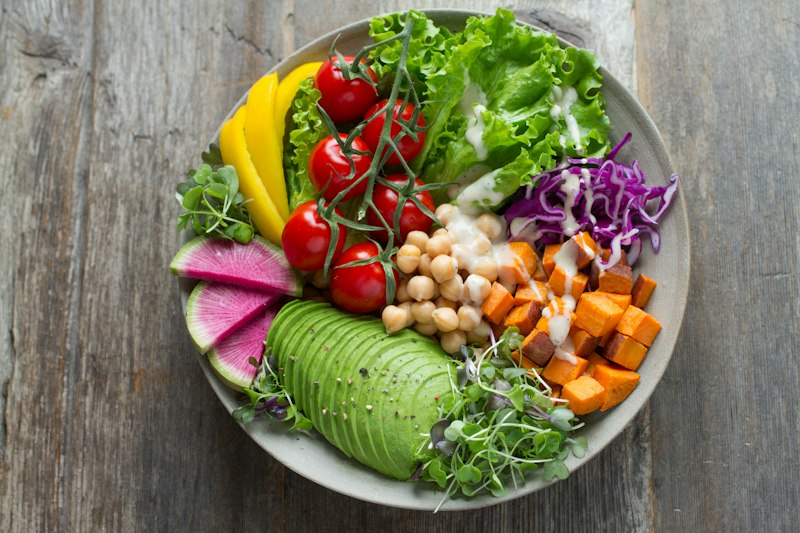
Understanding Inflammation: Acute vs Chronic
Acute Inflammation (Good)
- Activated by injury, infection, or damage
- Symptoms: redness, swelling, pain, heat
- Self-limiting: resolves in days to weeks
- Essential for healing
Chronic Low-Grade Inflammation (Bad)
- Persists indefinitely without obvious symptoms
- Caused by: poor diet, obesity, stress, pollution, sedentary lifestyle, gut dysbiosis
- Damages blood vessels, neurons, joints, and organs over years
- Called “inflammaging” when it drives accelerated aging
Key Inflammatory Biomarkers
- CRP (C-Reactive Protein): Most common marker; elevated with systemic inflammation
- IL-6 and TNF-α: Pro-inflammatory cytokines
- Homocysteine: Cardiovascular inflammation marker
- HbA1c: Glycemic control indicator
The Science: How Food Controls Inflammation
Omega-6:Omega-3 Ratio — The Most Critical Factor
Humans evolved on a diet with an omega-6 to omega-3 ratio of approximately 1:1 to 4:1.
Modern Western diet: 15:1 to 20:1 (heavily skewed toward omega-6)
Why this matters:
- Omega-6 fatty acids (especially arachidonic acid) are pro-inflammatory precursors
- Omega-3 fatty acids (EPA, DHA) produce anti-inflammatory resolvins and protectins
- Correcting this ratio is one of the most powerful dietary interventions for inflammation
NF-κB: The Master Inflammatory Switch
Many dietary components work by modulating NF-κB (Nuclear Factor kappa-light-chain-enhancer of activated B cells) — the master regulator of inflammatory gene expression.
Foods that activate NF-κB (pro-inflammatory):
- Refined sugars and high-fructose corn syrup
- Trans fats and oxidized vegetable oils
- Processed meats
- Alcohol (excessive)
Foods that suppress NF-κB (anti-inflammatory):
- Curcumin (turmeric)
- Resveratrol (red wine, grapes)
- EGCG (green tea)
- Omega-3 fatty acids
- Quercetin (onions, apples, berries)
The Anti-Inflammatory Foods (What to Eat More Of)
🐟 Fatty Fish — The Best Omega-3 Source
Salmon, mackerel, sardines, herring, anchovies are rich in EPA and DHA:
- Reduce CRP and other inflammatory markers
- Improve heart and brain health simultaneously
- Target: 2–3 servings per week
🫐 Berries — Anthocyanin Powerhouses
Blueberries, strawberries, raspberries, blackberries:
- Rich in anthocyanins — among the most potent anti-inflammatory phytonutrients
- A 2020 review found berries reduce multiple inflammatory markers
- Target: ½–1 cup daily
🥦 Cruciferous Vegetables
Broccoli, Brussels sprouts, cauliflower, kale, cabbage:
- Contain sulforaphane — activates Nrf2 pathway (antioxidant defense)
- Particularly effective against cancer-promoting inflammation
- Target: 1–2 servings daily
🫒 Extra Virgin Olive Oil — The Mediterranean Secret
- Rich in oleocanthal — a natural COX inhibitor (similar mechanism to ibuprofen)
- High-quality EVOO significantly reduces CRP and IL-6
- A 2004 study estimated 3.5 tablespoons of EVOO has the anti-inflammatory effect of ~10% of an adult ibuprofen dose
- Target: 2–4 tablespoons daily, used in cooking or dressings
🍵 Green Tea and Matcha
- Rich in EGCG (epigallocatechin gallate) — one of the most studied anti-inflammatory compounds
- Inhibits NF-κB and reduces multiple inflammatory cytokines
- Target: 2–4 cups daily
🧄 Garlic and Onions
- Allicin (garlic) and quercetin (onions) suppress inflammatory gene expression
- Regular garlic consumption associated with reduced cardiovascular inflammation
- Target: Daily use in cooking
🍫 Dark Chocolate (70%+ Cacao)
- Contains flavanols that reduce inflammatory markers
- 2014 study: dark chocolate consumption reduced CRP by 17% in 4 weeks
- Target: 1–2 oz (28–56g) daily
🥑 Avocado
- Rich in monounsaturated fats and tocotrienols (potent anti-inflammatory vitamin E)
- Half an avocado daily linked to reduced inflammatory markers
- Also provides fiber, which feeds anti-inflammatory gut bacteria
🌿 Turmeric and Black Pepper
- Curcumin is one of the most powerful natural anti-inflammatory compounds known
- Problem: Poor bioavailability (only 1–2% absorbed)
- Solution: Black pepper contains piperine, which increases curcumin absorption by 2000%
- Always combine turmeric with black pepper and fat for maximum effect
- Target: 1–2 tsp turmeric + pinch of black pepper daily
Pro-Inflammatory Foods to Limit
The Biggest Offenders
1. Refined Sugars and High-Fructose Corn Syrup
- Directly activate NF-κB
- Spike blood glucose → pro-inflammatory AGEs (advanced glycation end-products)
- Fructose in HFCS is metabolized in the liver, producing inflammatory byproducts
- Sources: Sodas, candy, pastries, sweetened cereals
2. Refined Vegetable Oils High in Omega-6
- Corn oil, sunflower oil, soybean oil, cottonseed oil
- Heavily processed, often oxidized (producing inflammatory compounds)
- Found in virtually all packaged and restaurant foods
- Replace with: Olive oil, avocado oil, coconut oil, butter/ghee
3. Processed and Ultra-Processed Foods
- Contain multiple inflammatory ingredients simultaneously
- Emulsifiers (carboxymethylcellulose, polysorbate 80) disrupt gut barrier → “leaky gut” → systemic inflammation
- Rule of thumb: If it has >5 ingredients or ingredients you can’t pronounce, limit it
4. Refined Carbohydrates
- White bread, white rice, pasta, crackers
- High glycemic index → blood glucose spikes → inflammatory cascade
- Replace with: Whole grains, legumes, sweet potatoes
5. Trans Fats (Partially Hydrogenated Oils)
- Now largely banned, but still found in some margarine and packaged foods
- Most pro-inflammatory dietary fat known
6. Alcohol (Excessive)
- 1–2 drinks/day may have neutral or mild anti-inflammatory effects (especially red wine)
- Excessive alcohol: disrupts gut microbiome, increases intestinal permeability, activates inflammatory pathways
The Anti-Inflammatory Plate
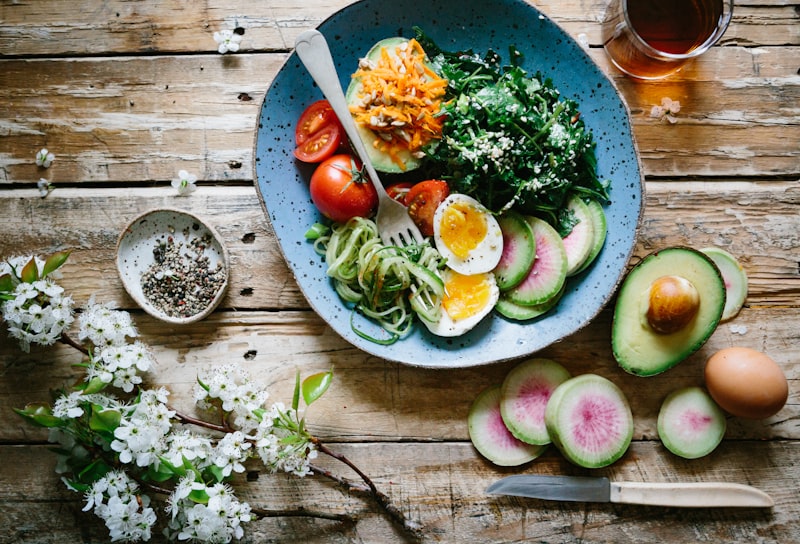
A well-structured anti-inflammatory meal:
50% of the plate: Non-starchy vegetables (varied colors) 25% of the plate: Quality protein (fatty fish, legumes, poultry) 25% of the plate: Complex carbohydrates (quinoa, sweet potato, brown rice) Fat: Olive oil, avocado, or nuts/seeds
Spices: Turmeric, ginger, garlic — used liberally Beverage: Water, green tea, herbal tea
The Mediterranean Diet: The Most Studied Anti-Inflammatory Pattern
The Mediterranean diet — consistently rated #1 for health by nutrition scientists — is essentially an anti-inflammatory diet by design:
Core components:
- Olive oil as primary fat
- Daily vegetables and fruits
- Legumes 3–4 times/week
- Whole grains
- Fish 2–3 times/week
- Moderate dairy (mainly yogurt and cheese)
- Limited red meat (monthly)
- Moderate red wine (optional)
Evidence:
- The PREDIMED trial (7,447 participants): Mediterranean diet reduced cardiovascular events by 30%
- Reduces risk of type 2 diabetes, depression, and neurodegenerative disease
- Consistently associated with reduced inflammatory biomarkers
Key Takeaways
- Chronic inflammation is the root cause of most modern diseases — diet is a powerful intervention
- Fix your omega-6:omega-3 ratio — reduce vegetable oils, increase fatty fish
- Anti-inflammatory superstars: fatty fish, berries, olive oil, turmeric+pepper, green tea, cruciferous vegetables
- Biggest offenders: refined sugar, refined oils, ultra-processed foods, refined carbs
- The Mediterranean diet pattern is the best studied anti-inflammatory eating approach
- Diversity of colorful produce ensures broad phytonutrient coverage
- Combine turmeric with black pepper — absorption increases 2000%
- Small, consistent dietary changes outperform short-term “cleanses”
This article is for educational purposes only and does not constitute medical advice. If you have chronic inflammatory conditions, consult a healthcare provider before making significant dietary changes.