The gut microbiome may be the most underappreciated system in the human body. Trillions of bacteria, fungi, and viruses inhabiting your digestive tract collectively weigh as much as your brain — and emerging research suggests they influence nearly every aspect of your health, including mood, immunity, weight, and even cognitive function.
What Is the Gut Microbiome?
Your gastrointestinal tract houses approximately 38 trillion microorganisms — bacteria, viruses, fungi, and archaea — collectively called the gut microbiome. These organisms aren’t passive passengers; they are metabolically active, producing vitamins, neurotransmitters, short-chain fatty acids (SCFAs), and other compounds that profoundly affect your physiology.
The microbiome is established in early life (via birth canal, breast milk, and early environment) and continues evolving throughout your lifetime based on diet, lifestyle, medications, and stress.
The Gut-Brain Axis
One of the most striking discoveries of the last decade: 90% of serotonin is produced in the gut, not the brain. Through the vagus nerve and the enteric nervous system (sometimes called the “second brain”), gut bacteria communicate directly with your brain, influencing mood, anxiety, and even decision-making.
Studies have found distinct microbiome profiles in people with depression, anxiety, and autism spectrum disorder — suggesting causal links that researchers are only beginning to unravel.
Signs Your Gut Microbiome Is Disrupted
- Bloating, gas, and irregular bowel movements
- Frequent infections or slow recovery from illness
- Skin conditions (eczema, acne, rosacea)
- Brain fog and poor concentration
- Food intolerances that developed in adulthood
- Mood issues — anxiety or depression
- Constant sugar cravings
- Fatigue despite adequate sleep
The 5 Biggest Gut Health Killers
1. Antibiotics
Antibiotics are life-saving but indiscriminate — they kill harmful pathogens and beneficial bacteria alike. A single course can reduce microbiome diversity by 30–50%, with recovery taking 6 months to over a year. Overuse is a major driver of dysbiosis (microbial imbalance).
2. Ultraprocessed Foods
Emulsifiers (polysorbate 80, carboxymethylcellulose) found in processed foods directly damage the intestinal lining and reduce microbial diversity in animal models. Artificial sweeteners like sucralose and saccharin alter gut bacteria composition in ways that may impair glucose tolerance.
3. Chronic Stress
The stress hormone cortisol alters gut motility, increases intestinal permeability (“leaky gut”), and shifts the microbiome toward inflammatory species. The gut-brain axis runs both ways — gut dysbiosis amplifies the stress response.
4. Lack of Dietary Fiber
Gut bacteria ferment fiber into short-chain fatty acids (SCFAs) — butyrate, propionate, and acetate — that fuel colon cells, regulate immune function, and reduce inflammation. The average American eats only 15g of fiber per day vs. the recommended 25–38g. Low fiber = starving your microbiome.
5. Poor Sleep
Even one night of disrupted sleep alters gut microbiome composition. Sleep and the microbiome are bidirectionally linked: poor sleep worsens gut health, and gut dysbiosis disrupts circadian rhythms and sleep quality.
Evidence-Based Strategies to Optimize Your Gut
Eat More Diverse Plants
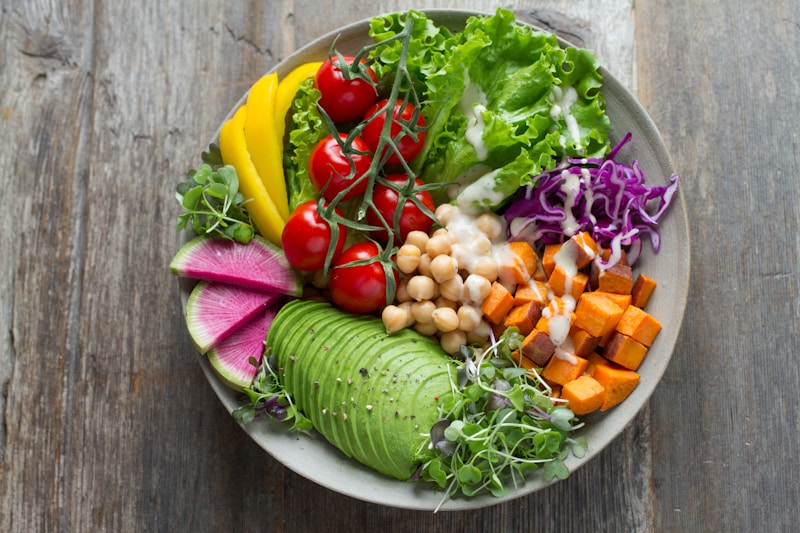
The largest microbiome study ever conducted (American Gut Project, n=10,000+) found one clear predictor of microbiome diversity: the number of different plant species eaten per week.
- Eating 30+ different plants per week was strongly associated with greater microbiome diversity
- This includes vegetables, fruits, legumes, whole grains, nuts, seeds, herbs, and spices
- Even small servings count — a pinch of cumin or a handful of mixed greens qualifies
Prioritize Fermented Foods
Fermented foods introduce live beneficial bacteria and have been shown in randomized controlled trials to directly increase microbiome diversity and reduce inflammatory markers.
Top fermented foods:
- Yogurt (with live active cultures) — most accessible
- Kefir — more diverse bacterial strains than yogurt; also fermented milk
- Kimchi — Korean fermented vegetables; rich in Lactobacillus
- Sauerkraut — fermented cabbage; also contains beneficial acids
- Miso — fermented soybean paste; also provides umami
- Kombucha — fermented tea; lower sugar varieties are best
- Tempeh — fermented soybeans; also a complete protein
A 2021 Stanford study (Wastyk et al.) found that a 10-week high-fermented-food diet increased microbiome diversity and decreased 19 inflammatory proteins more effectively than a high-fiber diet alone.
Feed Your Bacteria: Prebiotic Foods
Prebiotics are non-digestible fibers that selectively nourish beneficial bacteria. Think of them as fertilizer for your gut.
Best prebiotic sources:
- Garlic and onions — fructooligosaccharides (FOS)
- Jerusalem artichoke — one of the richest sources
- Leeks and asparagus
- Oats — beta-glucan
- Unripe bananas — resistant starch
- Cooked and cooled potatoes/rice — resistant starch increases with cooling
Polyphenols: The Microbiome’s Secret Fuel
Polyphenols — plant compounds found in berries, dark chocolate, olive oil, and tea — are poorly absorbed in the small intestine but transformed by gut bacteria into powerful metabolites. They act as prebiotics, selectively feeding beneficial Bifidobacterium and Lactobacillus species.
Polyphenol powerhouses:
- Blueberries, pomegranates, dark cherries
- Extra virgin olive oil
- Dark chocolate (70%+)
- Green tea and black tea
- Red wine (in moderation)
Consider Targeted Probiotics
Not all probiotics are equal. Strain specificity matters enormously — a Lactobacillus strain effective for IBS may have no effect on depression.
Evidence-backed strains:
- Lactobacillus rhamnosus GG — most studied; IBS, antibiotic-associated diarrhea
- Bifidobacterium longum — anxiety, depression (psychobiotic research)
- Saccharomyces boulardii — traveler’s diarrhea, C. diff prevention
- VSL#3 — combination probiotic for IBS and inflammatory bowel disease
Look for products with at least 10 billion CFU, refrigerated storage, and third-party testing.
The Leaky Gut Controversy
“Leaky gut” (increased intestinal permeability) refers to a breakdown of the tight junctions between intestinal cells, allowing bacterial fragments (lipopolysaccharides, or LPS) to enter the bloodstream and trigger systemic inflammation.
While the concept is sometimes dismissed as pseudoscience, increased intestinal permeability is a real, measurable phenomenon documented in research on IBD, celiac disease, type 1 diabetes, and metabolic syndrome. The debate is whether leaky gut causes these conditions or is a consequence of them.
What damages the gut lining:
- Chronic NSAID use (ibuprofen, naproxen)
- Gluten (in those with celiac or non-celiac sensitivity)
- Alcohol
- Psychological stress
- Dysbiosis itself
What supports gut lining integrity:
- L-glutamine — primary fuel for intestinal epithelial cells
- Zinc — essential for tight junction proteins
- Bone broth — collagen, glycine, and gelatin
- Butyrate (from fiber fermentation)
A Practical 4-Week Gut Reset Protocol
Week 1 – Remove
- Eliminate ultraprocessed foods, seed oils, artificial sweeteners
- Minimize alcohol; avoid unnecessary antibiotics
- Reduce stress triggers (identify and address)
Week 2 – Replace
- Add 5+ servings of vegetables daily
- Introduce one fermented food per day
- Add prebiotic foods: garlic, onions, oats
Week 3 – Reinoculate
- Add a high-quality probiotic (10B+ CFU)
- Increase plant variety toward 30 species/week
- Add polyphenol-rich foods daily
Week 4 – Repair
- Add L-glutamine (5g/day) if gut lining symptoms present
- Focus on stress reduction and sleep quality
- Maintain consistent sleep-wake cycle
Key Takeaways
- Diversity is the goal — eat 30+ plant species per week
- Fermented foods beat probiotic supplements for diversity gains
- Prebiotics feed your bacteria — fiber is not optional
- Stress destroys gut health — manage it actively
- Sleep and gut health are inseparable — fix both together
- Antibiotics are nuclear weapons — use only when necessary; always follow with probiotics
The gut microbiome is responsive and resilient. With consistent dietary and lifestyle changes, measurable improvements in composition and diversity can occur within 2–4 weeks. Your gut is waiting to be healed — feed it well.