If you could take only one supplement, most sports scientists would point to creatine — not because it’s trendy, but because it’s the most rigorously tested ergogenic aid ever studied. With over 1,000 peer-reviewed studies and decades of real-world use, creatine monohydrate has earned a reputation that few compounds can match. It works. Repeatedly. Across populations. And the benefits extend well beyond the gym.

What Is Creatine?
Creatine is a naturally occurring compound synthesized in your body from three amino acids: arginine, glycine, and methionine. Your liver, kidneys, and pancreas produce about 1–2 grams per day. You also get small amounts from meat and fish — a pound of raw beef contains roughly 2 grams.
About 95% of the body’s creatine is stored in skeletal muscle, primarily as phosphocreatine (PCr), which plays a central role in rapid energy production.
The ATP–PCr Energy System
During high-intensity exercise lasting 1–10 seconds, your muscles rely almost entirely on adenosine triphosphate (ATP). When ATP is used, it breaks down into ADP (adenosine diphosphate). Phosphocreatine donates its phosphate group to regenerate ADP back into ATP, allowing explosive efforts to continue momentarily longer.
This is why creatine shines in short, maximal efforts: sprints, heavy lifts, power output. You aren’t running a marathon on creatine — you’re adding reps to your squat and seconds to your sprint.
Performance Benefits: What the Research Actually Shows
1. Strength and Power Output
A 2003 meta-analysis in Journal of Strength and Conditioning Research analyzing 22 studies found creatine supplementation increased maximal strength by ~8% and power output by ~14% compared to placebo, during resistance training programs.
A 2017 review in the Journal of the International Society of Sports Nutrition confirmed:
- Upper body strength: +6.85% greater gains vs. placebo
- Lower body strength: +8.22% greater gains vs. placebo
2. Muscle Mass and Body Composition
Creatine promotes muscle hypertrophy through several mechanisms:
- Increased training volume (more reps, more total work)
- Cell volumization (muscle cells draw in water, signaling anabolic pathways)
- Possible upregulation of myogenic factors like IGF-1 and myosin heavy chains
A meta-analysis of 22 randomized controlled trials found creatine users gained an average of 1.37 kg more lean mass than controls during resistance training programs.
3. High-Intensity Exercise and Sprint Performance
Multiple studies show creatine improves repeated sprint performance — important for team sport athletes, cyclists, and HIIT practitioners. A 2012 review found average sprint performance improved by 5% and best sprint performance improved by 1–5%, with greater effects in repeated-sprint protocols.
4. Endurance Sports
Effects on traditional endurance performance are modest, but creatine may benefit high-intensity intervals embedded in endurance training and improve recovery between sessions.
Brain Health: The Emerging Research
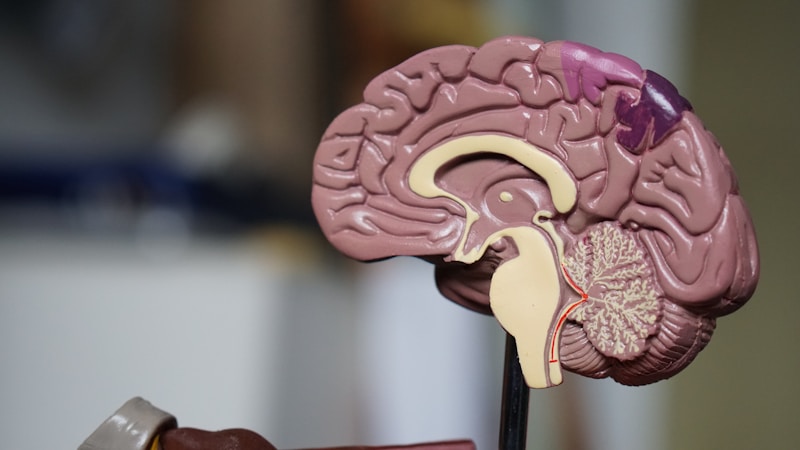
Perhaps the most exciting newer research involves creatine and cognitive function. The brain is highly metabolically active and uses significant phosphocreatine for rapid energy demands.
Sleep Deprivation Studies
A 2021 study in Scientific Reports found that creatine supplementation significantly offset cognitive decline caused by 24 hours of sleep deprivation, improving performance on complex memory and reasoning tasks. The effect was particularly pronounced in tasks requiring the prefrontal cortex.
Mental Fatigue and Cognition
A systematic review in 2022 found that creatine supplementation improved working memory and processing speed under conditions of mental fatigue or stress. Effects were more pronounced in individuals with lower dietary creatine (vegetarians, older adults).
Depression and Mood
Preliminary research suggests creatine may have antidepressant properties. A 2012 study found that adding creatine to antidepressant treatment produced faster and greater remission in women with major depressive disorder. Brain creatine levels are often lower in individuals with depression.
Who Benefits Most?
Creatine’s effects depend significantly on your baseline:
| Population | Response Level | Why |
|---|---|---|
| Vegetarians / Vegans | High | Low dietary creatine intake |
| Older adults (50+) | High | Declining muscle creatine stores |
| Strength athletes | High | High PCr turnover demand |
| Endurance athletes | Moderate | Benefit from interval training component |
| “Responders” (high muscle creatine uptake) | Very high | Genetic variation in transporters |
| “Non-responders” | Low | Already high baseline muscle creatine |
Roughly 25–30% of people are considered non-responders — they have near-maximal muscle creatine concentrations already (often high meat consumers with favorable genetics).
Dosing Protocols
Loading Phase (Optional)
- 20 grams/day (4 × 5g doses) for 5–7 days
- Saturates muscle creatine stores rapidly
- May cause initial weight gain (1–2 kg) from water retention
- GI distress possible if taken in large single doses
Maintenance / No-Load Protocol
- 3–5 grams/day
- Without loading, muscle saturation takes ~3–4 weeks
- Same end-state, just slower to arrive
- Better GI tolerance for sensitive individuals
Timing
Research on timing is mixed. Most studies show total daily dose matters more than when you take it. However, some evidence suggests taking creatine close to training (pre or post) may have slight advantages for uptake.
Practical recommendation: Take 3–5g daily, consistently. Pair with a carbohydrate-containing meal to enhance insulin-mediated uptake.
Creatine Forms: Which One?
| Form | Evidence | Verdict |
|---|---|---|
| Creatine Monohydrate | 1,000+ studies | Gold standard — use this |
| Creatine HCl | Limited | May dissolve better, no clear benefit |
| Kre-Alkalyn | Limited | Marketing > evidence |
| Buffered Creatine | Limited | No consistent advantage shown |
| Creatine Ethyl Ester | Limited | Actually performs worse in some studies |
Bottom line: Creatine monohydrate is the form used in virtually every landmark study. It is also the cheapest form. There is no compelling evidence that any other form is superior.
Safety and Side Effects
Creatine is one of the safest supplements ever studied. Long-term studies (up to 5 years) have found no adverse effects in healthy individuals.
Common concerns — addressed:
- Kidney damage: Extensively studied in healthy people — no harm shown. People with pre-existing kidney disease should consult a doctor.
- Hair loss / DHT: One study in rugby players found increased DHT-to-testosterone ratio. This has not been replicated. No direct hair loss causation established.
- Cramps and dehydration: Large reviews find no increased incidence. Creatine actually pulls water into muscles, which may be mildly protective.
- Bloating: Primarily occurs during high-dose loading phase. Use lower doses if sensitive.
Practical Guide: Getting Started
Week 1–4: 5g creatine monohydrate daily with breakfast or post-workout meal Ongoing: Same dose. Consistency matters — the effects are cumulative.
What to look for:
- After ~3–4 weeks, expect slightly fuller muscles (water in cells)
- Performance improvements typically manifest at 4–8 weeks of consistent training + supplementation
- Cognitive benefits (if you experience them) may appear within 1–2 weeks
Cost: Bulk creatine monohydrate typically costs $0.05–0.15 per serving. One of the best value supplements available.
The Bottom Line
Creatine monohydrate is not hype. It’s one of the most evidence-backed interventions in sports nutrition — and its applications are expanding into healthy aging, cognitive performance, and possibly mood support. If you resistance train, do high-intensity sports, or are over 50 and concerned about muscle mass and brain health, creatine is worth considering.
Simple. Cheap. Effective. Safe.
That’s a rare combination in the supplement world.
This article is for informational purposes only and does not constitute medical advice. Consult a healthcare professional before starting any supplement regimen.