Testosterone is the hormone most associated with male vitality — but it’s also critical for women’s health, and it’s declining across the population. Studies show average testosterone levels have dropped 1% per year since the 1980s, independent of aging. The good news: the most powerful levers are lifestyle factors fully within your control.
Why Testosterone Matters (For Everyone)
While testosterone is most abundant in men, women also produce it in smaller amounts. In both sexes it drives:
- Muscle mass and strength — directly stimulates protein synthesis
- Bone density — protects against osteoporosis
- Libido and sexual function — the primary hormonal driver
- Energy and mood — low T is strongly correlated with depression and fatigue
- Cognitive function — spatial reasoning, memory consolidation
- Metabolic health — regulates fat distribution and insulin sensitivity
Normal testosterone ranges: men 300–1000 ng/dL; women 15–70 ng/dL. Symptoms of low T include fatigue, fat gain (especially abdominal), reduced libido, depression, and difficulty building muscle.
The #1 Lever: Sleep
If you do nothing else, fix your sleep. Research is unambiguous:
- One week of 5-hour nights reduces testosterone by 10–15% — equivalent to 10–15 years of aging
- Stage 3 NREM and REM sleep are when testosterone is primarily secreted
- Sleep apnea causes testosterone to plummet even with adequate time in bed
Sleep optimization for testosterone:
- 7–9 hours per night, consistently
- Sleep in a cool room (65–68°F / 18–20°C) — heat impairs testicular function
- Keep your bedroom completely dark — even small light exposure suppresses testosterone
- Consistent wake time anchors your circadian rhythm and testosterone peak (which occurs in early morning)
Resistance Training: The Most Potent Exercise Signal
Not all exercise boosts testosterone equally:
Best exercises for testosterone:
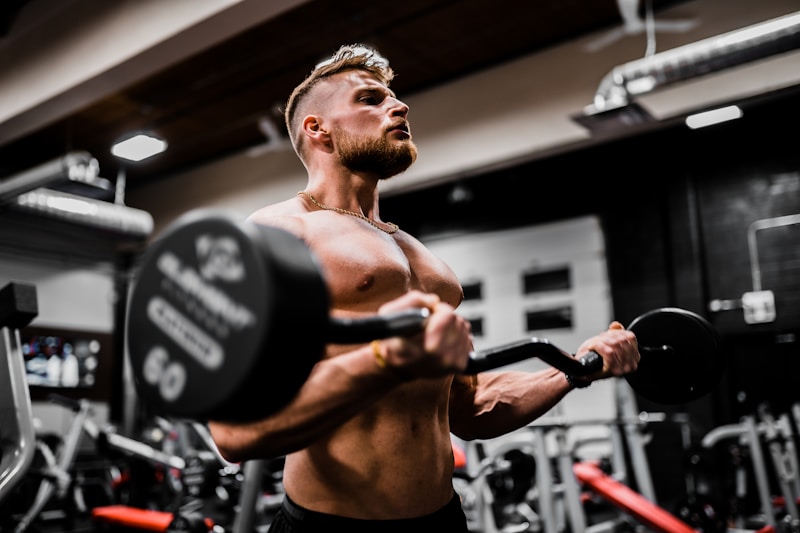
- Compound multi-joint lifts: deadlifts, squats, bench press, rows — these recruit the most muscle mass and generate the largest hormonal response
- Heavy loads: working at 70–85% of your 1-rep max produces greater testosterone spikes than light weight
- Adequate volume: 4–6 sets per muscle group per session
Training protocols that backfire:
- Chronic cardio (2+ hours daily) actually lowers testosterone by elevating cortisol and reducing LH (luteinizing hormone)
- Overtraining causes prolonged testosterone suppression — recovery is when hormones rise
- Endurance-only training without resistance work is associated with lower baseline T
Optimal frequency: 3–5 resistance sessions per week, with 48 hours between same-muscle groups.
Nutrition Fundamentals
1. Don’t Fear Fat — Especially Saturated and Monounsaturated
Testosterone is synthesized from cholesterol. Studies consistently show:
- Very low-fat diets reduce testosterone by 10–15%
- Healthy fats from eggs, olive oil, avocados, and meat are testosterone-supporting
- Aim for 25–35% of calories from fat
2. Zinc is Non-Negotiable
Zinc is directly involved in testosterone synthesis. Deficiency is extremely common and directly suppresses T.
Best food sources: oysters (highest by far), red meat, pumpkin seeds, crab, lobster, legumes
Supplement dose if needed: 25–45 mg/day (take with food to avoid nausea)
3. Vitamin D Functions as a Steroid Hormone
Vitamin D receptors exist on Leydig cells (the testosterone-producing cells in testes). Deficiency is strongly associated with low T.
- A randomized controlled trial found 3,332 IU/day of vitamin D supplementation increased testosterone by ~25% in deficient men
- Most people living above 35° latitude are deficient without supplementation
- Target blood level: 50–70 ng/mL (125–175 nmol/L)
4. Magnesium
Magnesium deficiency impairs the hypothalamic-pituitary-gonadal axis that regulates testosterone. Supplementation (200–400 mg glycinate or threonate) has modest but real benefits.
5. Avoid Alcohol
Alcohol directly toxic to Leydig cells. Heavy drinking reduces testosterone by up to 23%. Even moderate intake (3–4 drinks/day) chronically suppresses T.
Stress and Cortisol: The Testosterone Antagonist
Cortisol and testosterone have an inverse relationship. When cortisol is chronically elevated:
- The body down-regulates testosterone production as a protective measure
- Cortisol competes for the same precursor molecule (pregnenolone) as testosterone
- Stress fat accumulates around the abdomen, which contains aromatase enzyme that converts testosterone to estrogen
Stress reduction that actually works:
- Meditation: 20 minutes daily reduces cortisol by 23% after 8 weeks
- Social connection: loneliness raises cortisol; meaningful relationships buffer it
- Sunlight exposure: morning light regulates the cortisol awakening response (CAR)
- Physical relaxation: cold/heat contrast therapy, walks in nature
Natural Supplements With Evidence
| Supplement | Evidence Level | Typical Dose | Notes |
|---|---|---|---|
| Ashwagandha | Strong | 300–600 mg/day | Reduces cortisol and raises T by 15–20% in stressed men |
| Zinc | Strong | 25–45 mg/day | Only effective if deficient |
| Vitamin D | Strong | 2,000–5,000 IU/day | Only effective if deficient |
| D-Aspartic Acid | Moderate | 2–3 g/day | Short-term boost; may lose effect after 12 weeks |
| Fenugreek | Moderate | 500 mg/day | Blocks enzymes that convert T to estrogen |
| Tongkat Ali | Moderate | 200–400 mg/day | Increases free testosterone, reduces SHBG |
Supplements with no real evidence: tribulus terrestris, DHEA (in younger men), most “T-booster” blends.
Environmental Testosterone Disruptors to Avoid
Modern life is full of endocrine disruptors that mimic estrogen and suppress testosterone:
- BPA and phthalates (plastics): Don’t microwave food in plastic; use glass or stainless containers
- Pesticides: Wash produce thoroughly; choose organic for high-pesticide crops
- Excessive soy (in large, regular quantities): Contains phytoestrogens that may lower T when consumed in very large amounts
- Excessive alcohol: As above
- Chronic heat exposure to testes: Hot baths, laptops on lap, tight underwear — the testes hang outside the body for a reason (temperature regulation)
Body Fat: The Testosterone Trap
Body fat — especially abdominal fat — is metabolically active and produces aromatase, an enzyme that converts testosterone to estrogen. This creates a vicious cycle:
- High body fat → more aromatase → more testosterone converted to estrogen
- Lower testosterone → more fat storage → even more aromatase
Breaking the cycle: any intervention that reduces body fat (caloric deficit + resistance training) will raise testosterone. Even a 10% reduction in body fat can meaningfully increase T levels.
Signs You Need a Medical Evaluation
Natural optimization works well for most people, but see a doctor if you have:
- Total testosterone consistently below 300 ng/dL despite lifestyle optimization
- Symptoms of hypogonadism: infertility, gynecomastia, severe fatigue
- Symptoms of secondary hypogonadism: headaches, vision changes (suggesting pituitary tumor)
- You’re over 50 and experiencing significant symptoms
Testosterone replacement therapy (TRT) is effective but has real trade-offs (suppresses natural production, potential cardiovascular effects, infertility). It should be a last resort after lifestyle optimization.
The 90-Day Testosterone Reset Protocol
If starting from scratch, here’s a prioritized order of interventions:
Week 1–2: Sleep foundations
- Consistent 7–9 hour sleep schedule
- Dark, cool bedroom
- Screen-free 60 minutes before bed
Week 3–4: Training
- 3x/week compound resistance training
- Cut excessive cardio
Week 5–6: Nutrition
- Adequate protein (0.7–1g per pound bodyweight)
- Healthy fats at 25–30% of calories
- Eliminate alcohol
Week 7–8: Supplements
- Vitamin D and zinc (check blood levels first)
- Ashwagandha if under high stress
Week 9–12: Stress and environment
- Daily stress management practice
- Switch plastics to glass/stainless
- Build morning sunlight habit
Get bloodwork before and after to see objective changes.
Summary
Testosterone optimization isn’t about pills or quick fixes — it’s about systematically removing the things that suppress it (poor sleep, chronic stress, excess fat, alcohol, sedentary lifestyle) and consistently doing the things that support it (heavy resistance training, adequate fat and zinc intake, quality sleep). Most men who apply these principles consistently see meaningful improvement within 90 days — no prescription required.