Depression is the leading cause of disability worldwide, affecting an estimated 280 million people — roughly 3.8% of the global population. It’s also massively undertreated: fewer than half of those with depression in high-income countries receive effective treatment, and in low-income countries, the gap is even wider.
Yet alongside — and in some cases instead of — pharmaceutical interventions, there exists a growing body of robust clinical evidence supporting lifestyle and behavioral approaches to depression. This is not about “positive thinking” or dismissing the severity of mental illness. It’s about the science of brain biology and behavior change.
Important: This article is educational. If you’re experiencing depressive symptoms, please seek professional evaluation. Severe depression requires clinical treatment.
Understanding Depression: It’s Not Just “Sadness”
Depression is a complex neurobiological disorder characterized by:
- Persistent low mood for ≥2 weeks
- Anhedonia — loss of pleasure in previously enjoyable activities
- Fatigue and low energy
- Cognitive impairment (concentration, memory, decision-making)
- Sleep disturbance (insomnia or hypersomnia)
- Changes in appetite and weight
- Psychomotor agitation or retardation
- Recurrent thoughts of death or suicide
The neurobiology involves dysregulation of serotonin, dopamine, and norepinephrine pathways, along with neuroinflammation, HPA axis (stress system) dysfunction, reduced neuroplasticity, and shrinkage of key brain structures including the hippocampus and prefrontal cortex.
Exercise: The Most Powerful Non-Drug Intervention
The evidence for exercise as a depression treatment is now undeniable. A 2023 meta-analysis of 218 randomized controlled trials (over 14,000 participants) published in The BMJ found exercise was “highly effective” for reducing depression, comparable to antidepressants and psychotherapy.
Why exercise works for depression:
- Increases brain-derived neurotrophic factor (BDNF) — promotes neuroplasticity and hippocampal growth
- Boosts serotonin, dopamine, and norepinephrine
- Reduces inflammatory cytokines (IL-6, TNF-α) linked to depression
- Normalizes HPA axis reactivity
- Improves sleep quality, which itself treats depression
Most effective exercise types (ranked by evidence strength):
- Walking/jogging at moderate intensity (150+ min/week)
- Resistance training (2–3x/week, even low-intensity)
- Yoga — particularly effective for anxiety co-morbidity
- Any movement — even 10-minute bouts show acute mood benefits
The minimum effective dose: 30 minutes of moderate-intensity aerobic exercise, 3x/week, for 8+ weeks. Results typically emerge at 4–6 weeks.
Light Therapy: As Effective as Antidepressants
Light therapy (phototherapy) is the first-line treatment for Seasonal Affective Disorder (SAD) and is increasingly recognized for non-seasonal depression.
The mechanism: Light stimulates retinal ganglion cells that signal the suprachiasmatic nucleus (SCN) — the brain’s master clock — suppressing melatonin and increasing serotonin and cortisol in the morning (resetting the circadian rhythm).
Protocol:
- Light box intensity: 10,000 lux (vs. indoor light at ~100–300 lux)
- Duration: 20–30 minutes in the morning
- Timing: Within 1 hour of waking
- Distance: 12–18 inches from face, eyes open but not staring directly
- Duration of use: 4–8 weeks minimum to assess response
A pivotal 2016 JAMA Psychiatry trial found light therapy superior to antidepressants (fluoxetine) for non-seasonal depression, and the combination of both was most effective.
Diet and Nutrition: The Gut-Brain Connection
The Inflammatory Diet Hypothesis
Growing evidence links dietary patterns to depression risk. Ultra-processed foods promote systemic inflammation, and chronic neuroinflammation is now recognized as a core mechanism in depression.
Diet patterns linked to lower depression rates:
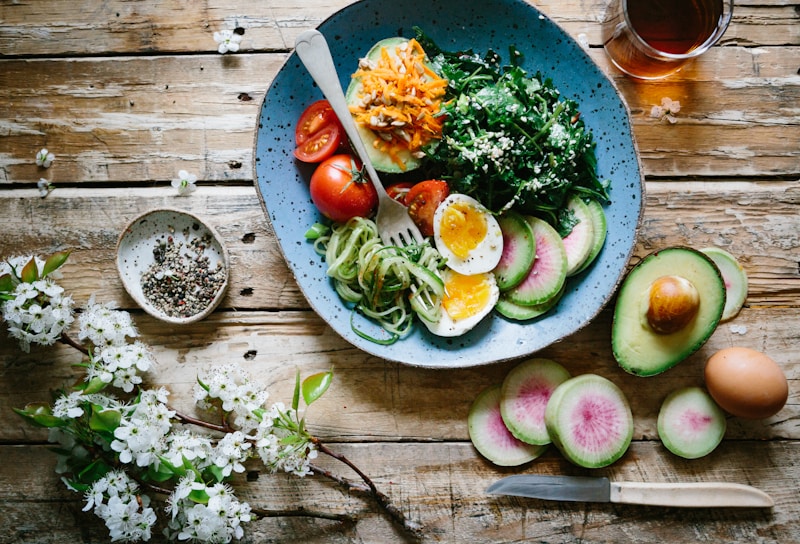
- Mediterranean diet — multiple RCTs now show antidepressant effects
- Anti-inflammatory diet — emphasizing omega-3s, colorful vegetables, olive oil
- Whole food, plant-rich diet — lower depression risk in longitudinal studies
Key Nutrients with Depression Evidence
Omega-3 Fatty Acids (EPA > DHA) The strongest single nutrient evidence. A 2019 meta-analysis of 26 RCTs found omega-3 supplementation significantly reduces depression scores.
- Dose: 1–2g/day of EPA specifically (not general fish oil)
- Sources: Fatty fish (salmon, mackerel, sardines), algae oil (vegan)
- EPA:DHA ratio matters: Formulations with >60% EPA are most effective
Vitamin D Depression rates are significantly higher in vitamin D deficiency, which affects ~40% of adults.
- Supplementation of 1,000–2,000 IU/day improves depressive symptoms in deficient individuals
- Get tested; target serum level 40–60 ng/mL
Magnesium Often deficient (soil depletion, processed food consumption); magnesium regulates NMDA receptors implicated in depression.
- 248mg/day of elemental magnesium significantly reduced depression in a 2017 RCT
- Best forms: glycinate, malate, or threonate
B-Vitamins (B12, B9, B6) Essential for neurotransmitter synthesis. Deficiency is common and is independently associated with depression.
- Particularly important for vegans (B12) and those on metformin (B12 depletion)
Zinc Meta-analyses confirm depressed individuals have significantly lower serum zinc. Zinc supplementation augments antidepressant treatment.
- 25–45mg/day elemental zinc
Sleep: Treating Depression Requires Treating Sleep
Depression and sleep disorders are bidirectionally linked — poor sleep worsens depression, and depression disrupts sleep architecture. Treating sleep problems is not just supportive care; it’s a direct antidepressant intervention.
Sleep-depression strategies:
- Cognitive Behavioral Therapy for Insomnia (CBT-I) — as effective as sleep medication but with lasting results; reduces depression simultaneously
- Sleep restriction therapy (guided) — temporary sleep restriction paradoxically improves sleep quality
- Sleep hygiene: Consistent wake time (even weekends), dark/cool/quiet room, no screens 30–60 min before bed
- Avoid alcohol — disrupts REM sleep and is itself a depressant
Psychotherapy: Gold-Standard Behavioral Approaches
Cognitive Behavioral Therapy (CBT)
The most studied psychotherapy for depression with decades of RCT evidence. CBT targets the cognitive distortions characteristic of depression:
- All-or-nothing thinking
- Catastrophizing
- Mind reading
- Overgeneralization
- Personalization
CBT is equally effective to antidepressants for mild-moderate depression, with lower relapse rates post-treatment.
Online CBT (apps like Woebot, MoodGym) shows meaningful effect sizes for mild depression — particularly useful when access to therapists is limited.
Behavioral Activation (BA)
A simpler, highly effective therapy: systematically re-engage with activities that previously brought pleasure or meaning. Depression creates a withdrawal cycle — BA breaks it.
Even without a therapist, you can practice BA:
- List 20 activities that used to bring you pleasure or meaning
- Schedule 1–2 per week (small commitment)
- Do them regardless of how you feel beforehand
- Notice and record any mood shift afterward
Mindfulness-Based Cognitive Therapy (MBCT)
Combines CBT with mindfulness meditation. Specifically proven to reduce depression relapse by 50% in recurrent depression (3+ episodes). Best used as maintenance therapy.
Social Connection: Loneliness as a Disease
Social isolation is as harmful to health as smoking 15 cigarettes per day — and it’s a major risk factor for depression. Research consistently shows:
- Quality (not just quantity) of social relationships predicts depression outcomes
- Volunteering reduces depression symptoms in multiple RCTs
- Pet ownership is associated with lower depression rates
- Group exercise (classes, team sports) adds social benefits to exercise benefits
The prescription: scheduled social contact, even when you don’t feel like it. Depression lies to you — it tells you to isolate when connection is what you need.
What Doesn’t Work (Or Has Weak Evidence)
Supplements with insufficient evidence for depression:
- St. John’s Wort — modest effect, significant drug interactions (do not combine with SSRIs, contraceptives, blood thinners)
- SAMe — some evidence, expensive, needs better trials
- Saffron — early promising data, needs larger RCTs
Things that actively worsen depression:
- Alcohol and recreational drugs (short-term relief, long-term worsening)
- Excessive social media (passive scrolling specifically)
- Sedentary behavior
- Sleep deprivation
- Social isolation
When Medication Is Necessary
Natural approaches are not a substitute for medication in:
- Severe depression (with suicidal ideation, psychosis, or inability to function)
- Bipolar depression (requires specific medications — lifestyle alone is insufficient)
- Treatment-resistant depression (requires specialist intervention)
Modern antidepressants are safe and effective for many people. The stigma around them is harmful. Medication + psychotherapy + lifestyle changes is often the most effective combination.
A Comprehensive Action Plan
Immediate (Week 1):
- Begin 20–30 min walks every day
- Get omega-3s (1–2g EPA/day)
- Fix sleep schedule — same wake time daily
- Eliminate alcohol
Short-term (Weeks 2–4):
- Add structured exercise 3–5x/week
- Start morning light therapy if seasonal component
- Book an appointment with a therapist or GP
- Add magnesium glycinate, vitamin D (if deficient)
Sustained (Months 1–3):
- Consistently apply behavioral activation
- Begin CBT (app or therapist)
- Expand social activities
- Adopt Mediterranean/anti-inflammatory diet
The Bottom Line
Depression is a serious illness — but it is also one of the most treatable conditions in medicine. The lifestyle pillars of exercise, sleep, nutrition, light, and social connection are not just complementary — they address the root neurobiological mechanisms of depression directly. When combined with professional care, they form the most powerful treatment system available.
You don’t have to do everything at once. Start with one thing — usually exercise — and build from there.
If you are experiencing suicidal thoughts, please contact a crisis line immediately. In the US: 988 Suicide & Crisis Lifeline (call or text 988). In Korea: 1393.