For six years running, the Mediterranean diet has been ranked the #1 overall diet by U.S. News & World Report’s panel of nutrition experts. It’s also the most studied dietary pattern in the world, with thousands of clinical trials, cohort studies, and meta-analyses backing its benefits. Unlike fad diets that spike and fade, the Mediterranean diet has been continuously validated since the landmark Seven Countries Study in the 1960s. Here’s why it works — and how to do it.
What Is the Mediterranean Diet?
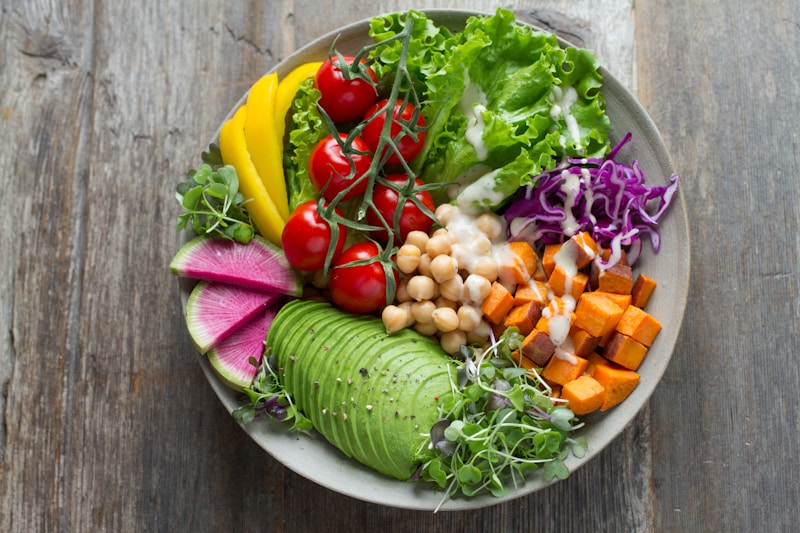
The Mediterranean diet isn’t a strict meal plan — it’s an eating pattern inspired by the traditional cuisines of countries bordering the Mediterranean Sea: Greece, Italy, Spain, and the Middle East. It was first formally described by physiologist Ancel Keys, who observed dramatically lower rates of cardiovascular disease in Mediterranean populations despite high fat consumption.
The Core Principles
Eat abundantly (daily):
- Vegetables — every shape, color, and form
- Fruits — 2–3 servings daily
- Whole grains — bread, pasta, farro, bulgur, oats
- Legumes — lentils, chickpeas, beans, fava beans
- Nuts and seeds — walnuts, almonds, sesame (tahini)
- Olive oil — the primary fat source
- Herbs and spices — garlic, oregano, rosemary, turmeric
Eat regularly (weekly):
- Fish and seafood — 2+ times per week (especially fatty fish: salmon, mackerel, sardines)
- Poultry — moderate amounts
- Eggs — up to 4 per week
- Dairy — mostly as yogurt and cheese (moderate)
Eat sparingly (monthly):
- Red meat — small amounts, infrequently
- Sweets and desserts — occasional treats
Mostly avoid:
- Ultra-processed foods
- Refined grains (white bread, pastries)
- Added sugars
- Processed meats
- Trans fats
The Science: What Does the Evidence Actually Show?
Cardiovascular Disease
The PREDIMED trial (Prevención con Dieta Mediterránea) is one of the most important nutrition studies ever conducted. This randomized controlled trial of ~7,500 high-risk participants found that a Mediterranean diet supplemented with either extra-virgin olive oil or mixed nuts reduced major cardiovascular events (heart attack, stroke, cardiovascular death) by 30% compared to a low-fat diet.
That’s a larger effect than most cardiovascular medications, achieved through diet alone.
Longevity and Blue Zones
The Mediterranean region overlaps significantly with the world’s Blue Zones — regions identified by Dan Buettner where people regularly live past 100. Sardinia (Italy) and Ikaria (Greece) are notable examples. Studies of these populations consistently point to plant-based diets, olive oil, legumes, moderate wine, and social eating as key factors.
A landmark NEJM study on the Mediterranean diet and longevity found it to be associated with longer telomere length (a marker of cellular aging) — suggesting it may slow the biological aging process at the cellular level.
Brain Health and the MIND Diet
The MIND diet (Mediterranean-DASH Diet Intervention for Neurodegenerative Delay) combines Mediterranean principles with the DASH diet, specifically targeting brain health. A Rush University study found that strict adherence to the MIND diet was associated with a 53% reduction in Alzheimer’s disease risk, even moderate adherence showed a 35% reduction.
The key brain-protective foods: leafy greens (6+ servings/week), berries, nuts, fish, poultry, olive oil, wine (in moderation), and beans.
Blood Sugar and Type 2 Diabetes
A large meta-analysis in Diabetes Care found Mediterranean diet adherence associated with:
- Lower fasting blood glucose
- Reduced HbA1c (long-term blood sugar marker)
- 23% reduction in risk of developing type 2 diabetes
- Better blood sugar control in people with existing diabetes
The combination of fiber-rich foods, healthy fats, and low glycemic load keeps blood sugar stable without spikes.
Why It Works: The Biological Mechanisms
Anti-Inflammatory Power
Chronic low-grade inflammation drives nearly every major disease: heart disease, cancer, diabetes, Alzheimer’s, depression. The Mediterranean diet is one of the most anti-inflammatory dietary patterns known:
- Polyphenols in olive oil, vegetables, and wine (resveratrol) suppress inflammatory cytokines (IL-6, TNF-α, CRP)
- Omega-3 fatty acids from fatty fish counter pro-inflammatory omega-6 dominance
- Fiber from vegetables and legumes feeds gut bacteria that produce short-chain fatty acids (SCFAs) — powerful anti-inflammatory compounds
- Antioxidants from colorful produce neutralize oxidative stress
The Gut Microbiome Connection
A 2021 study in Gut journal showed that a 1-year Mediterranean diet intervention in elderly Europeans significantly altered the gut microbiome — increasing beneficial bacteria (Faecalibacterium prausnitzii, Roseburia hominis) and reducing pathogenic strains. These microbiome changes correlated with improved cognitive function, reduced frailty, and lower inflammatory markers.
Metabolic Health
The diet’s combination of:
- Monounsaturated fats (oleic acid in olive oil) → improves insulin sensitivity
- High fiber → slows glucose absorption, feeds beneficial gut bacteria
- Low glycemic index foods → prevents blood sugar spikes and insulin resistance
- Polyphenols → activate AMPK (the “metabolic master switch”)
…creates a metabolic environment that’s fundamentally different from the modern Western diet.
How to Actually Follow It (Practical Guide)
The Simplest Rule: The Mediterranean Plate
- ½ plate: Vegetables (multiple colors, raw or cooked)
- ¼ plate: Whole grains or legumes
- ¼ plate: Protein (fish, poultry, eggs, or plant protein)
- Drizzle: Olive oil (generously)
- Side: Fresh fruit for dessert
Olive Oil First
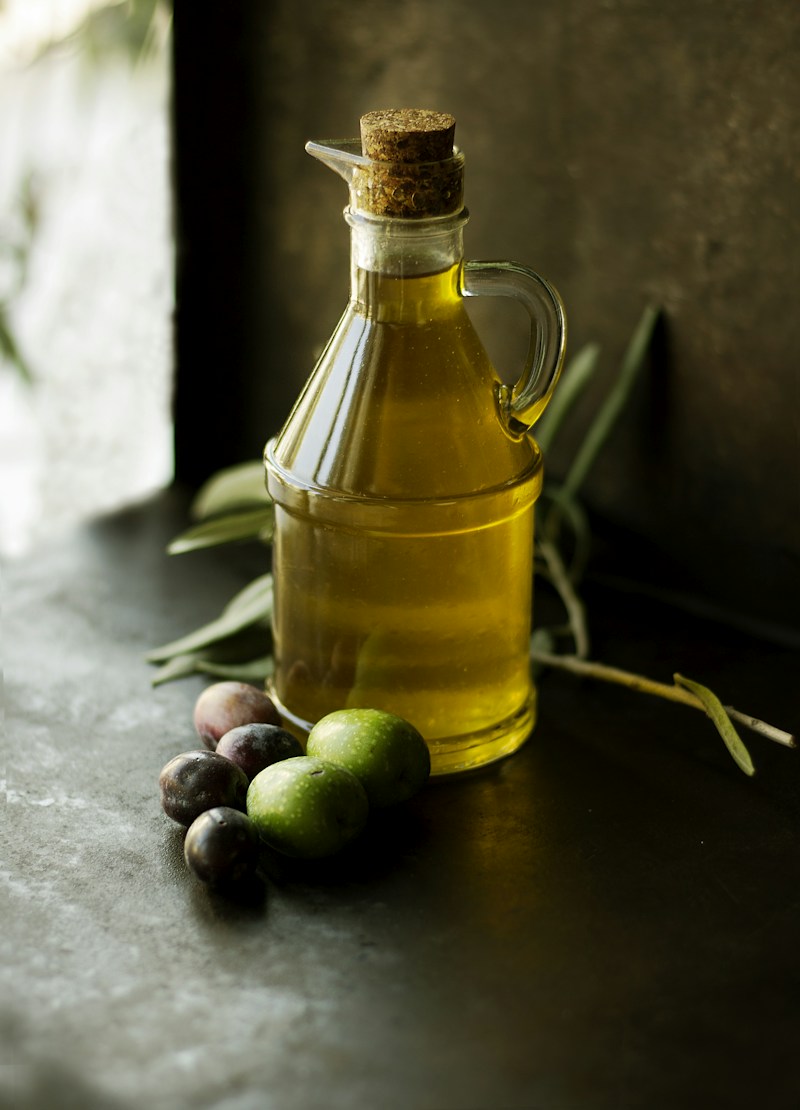
Replace all other cooking fats with extra-virgin olive oil (EVOO). Use it generously — the PREDIMED trial used 50ml+ per day. Quality matters: look for:
- Cold-pressed, extra-virgin
- Recent harvest date (within 18 months)
- Dark bottle (light degrades polyphenols)
- Protected designation of origin labels (PDO)
Fish: The Weekly Priority
Aim for fatty fish twice a week: salmon, mackerel, sardines, anchovies, or trout. Canned sardines and anchovies are affordable, shelf-stable, and just as nutritious as fresh. Omega-3s (EPA and DHA) are especially hard to get from plant sources.
Legumes: Daily if Possible
Lentils, chickpeas, black beans, and cannellini beans are nutritional powerhouses. A can of chickpeas on a salad, lentil soup, hummus with vegetables — these are the staples of Mediterranean longevity regions.
Wine: Optional and Modest
The Mediterranean diet traditionally includes moderate red wine — 1 glass per day for women, up to 2 for men — consumed with meals. However, alcohol has real risks, and for people who don’t currently drink, the evidence does NOT support starting. The polyphenol benefits of wine (resveratrol) can be obtained from red grapes, blueberries, and dark chocolate.
Mediterranean Meal Prep Ideas
- Breakfast: Greek yogurt with berries and walnuts + olive oil drizzle on whole grain toast
- Lunch: Large salad with greens, chickpeas, cucumber, olives, feta, lemon-olive oil dressing
- Dinner: Baked salmon with roasted vegetables + quinoa or farro
- Snacks: Hummus with vegetables, handful of mixed nuts, fresh fruit
- Treats: Small square of dark chocolate (70%+), fresh figs, or a small piece of baklava
Common Mistakes to Avoid
❌ Treating it as low-fat The Mediterranean diet is NOT low fat — it’s high in healthy fats. Don’t skimp on olive oil or nuts.
❌ Ignoring the vegetables Some people focus only on the “nice” parts (wine, cheese). The foundation is vegetables — lots of them, every day.
❌ Using poor-quality olive oil Much of the “olive oil” sold in supermarkets is adulterated or already rancid. Quality EVOO makes a real difference.
❌ Overdoing pasta and bread While whole grains are included, Mediterranean diets are not pasta-heavy by tradition. Vegetables and legumes are the real volume.
The Bottom Line
The Mediterranean diet works because it’s not a diet — it’s an eating culture built on foods humans have eaten for millennia, emphasizing variety, quality, and whole foods. The evidence is overwhelming: it reduces heart disease, extends lifespan, protects the brain, stabilizes blood sugar, and reduces chronic inflammation. And unlike most diets, it’s sustainable, delicious, and built for a lifetime.
Start simple: Add olive oil to everything, eat fish twice a week, and put vegetables on half your plate. That alone puts you on a Mediterranean trajectory.
| *References: Estruch R. et al. (2018). PREDIMED Trial. NEJM. | Morris MC et al. (2015). MIND Diet. Alzheimer’s & Dementia. | Dinu M. et al. (2018). Mediterranean diet meta-analysis. European Journal of Clinical Nutrition. | Ghosh TS et al. (2021). Gut microbiome. Gut journal.* |