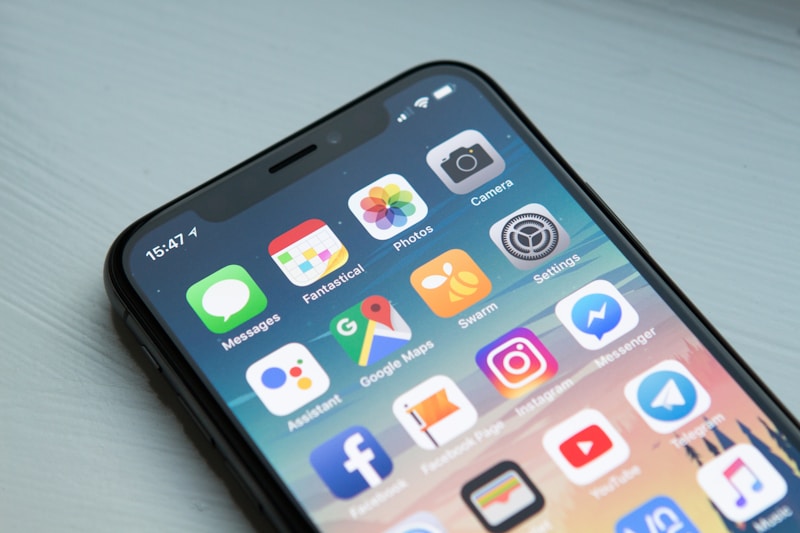
You lie in bed scrolling your phone, finally put it down at midnight, and then wonder why you can’t fall asleep. The answer is biochemical: the blue light from your screen has told your brain it’s still noon. Every night you do this, you’re slowly dismantling one of the most powerful biological systems in your body — the circadian rhythm. Here’s the science, and more importantly, here’s the fix.
Your Circadian Rhythm: The Master Clock
The circadian rhythm is a roughly 24-hour biological cycle that governs virtually every system in your body:
- Sleep/wake cycles
- Core body temperature (drops 1–2°C at night to promote sleep)
- Hormone release (cortisol peaks in morning, melatonin peaks at night)
- Metabolism and digestion
- Cell division and DNA repair
- Immune function
This rhythm is orchestrated by the suprachiasmatic nucleus (SCN) — a tiny structure of about 20,000 neurons in the hypothalamus that acts as your master biological clock. The SCN is synchronized primarily by one thing: light.
How Light Controls Your Clock
The SCN receives direct input from intrinsically photosensitive retinal ganglion cells (ipRGCs) — specialized cells in your eyes that detect light intensity and quality. These cells contain a photopigment called melanopsin, which is extraordinarily sensitive to one specific wavelength of light: blue light (around 480 nanometers).
When blue light hits these cells, the signal travels directly to the SCN, which then:
- Suppresses melatonin production from the pineal gland
- Raises core body temperature
- Elevates cortisol and alertness
- Signals “daytime” to every organ system
These responses are perfectly appropriate — when it’s actually daytime. The problem is that we’ve flooded our evenings with artificial blue light that mimics the spectrum of the midday sun.
The Melatonin Problem
Melatonin is often called the “sleep hormone,” but it’s more accurately a darkness signal — a chemical message that says “it’s night.” Your body begins releasing melatonin 1–2 hours before your natural sleep time, gradually rising to peak levels at around 2–3 AM.
Blue light delays and suppresses this process:
- 1 hour of evening screen exposure reduces melatonin by approximately 50%
- 2 hours can delay melatonin onset by 1.5–3 hours
- This doesn’t just make it harder to fall asleep — it shortens your actual sleep window and disrupts sleep architecture
The Research: How Bad Is It?
The evidence is clear and consistent:
- A 2014 Harvard study found that e-reader users (iPad) had significantly less melatonin, took longer to fall asleep, had less REM sleep, and felt sleepier the next morning compared to those who read printed books — even after a full night’s sleep
- A 2015 study found that just 2 hours of screen use before bed reduced melatonin by up to 22%
- Adolescents who use screens after 9 PM show up to 1.5 hours later melatonin onset than those who stop screen use by 9 PM
- Chronic late-night screen use is associated with increased rates of depression, metabolic syndrome, and impaired immune function — all consequences of circadian disruption
Not All Screens Are Equal
| Device | Blue Light Output | Relative Impact |
|---|---|---|
| Smartphones | High | Very High (close to eyes) |
| Tablets | High | High |
| Laptops | Moderate-High | Moderate-High |
| Desktop monitors | Moderate | Moderate |
| LED TVs | Moderate | Low (farther away) |
Distance matters enormously. The intensity of light exposure decreases with the square of the distance — holding a phone 30 cm from your face delivers roughly 4x more retinal exposure than at 60 cm.
The Broader Problem: Artificial Light at Night (ALAN)
Blue light from screens is actually just part of a larger problem: we’ve eliminated darkness from our lives. LED street lights, indoor lighting, store signage — all of these emit blue light and maintain a state of perpetual daylight for our circadian systems.
This is historically unprecedented. For the vast majority of human evolution, the only light after sunset was fire — which emits predominantly red and orange wavelengths (the opposite of blue). Our circadian systems evolved expecting darkness at night.
How to Protect Your Circadian Rhythm: Practical Strategies
Tier 1: The Baseline (Everyone Should Do This)
1. Create a Screen Curfew No screens for 60–90 minutes before your target bedtime. This is the single most impactful change. If 90 minutes feels impossible, start with 30 and gradually extend.
2. Use Night Mode/Night Shift All major platforms have blue light filtering:
- iPhone: Settings → Display & Brightness → Night Shift (schedule to sunset-sunrise)
- Android: Display → Night Light
- Windows: Settings → Display → Night light
- Mac: System Preferences → Displays → Night Shift
Note: These reduce blue light by 30–50% but don’t eliminate it. Better than nothing, but not a substitute for the screen curfew.
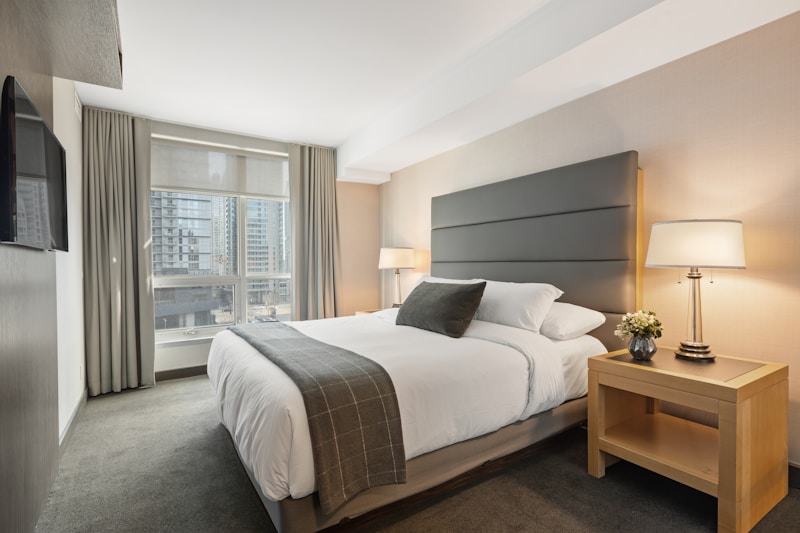
3. Dim Your Lights Switch to warmer, dimmer lighting in the 2 hours before bed. Smart bulbs (Philips Hue, LIFX) can automate this. Candles and salt lamps (warm amber glow) are ideal.
Tier 2: Meaningful Upgrade
4. Blue Light Blocking Glasses Amber-tinted glasses (not the lightly tinted “computer glasses”) block 90%+ of blue light. Studies confirm they preserve melatonin levels during evening screen use:
- Wear from 2–3 hours before bed if using screens
- Choose lenses rated 99%+ blue/green light blocking for nighttime use
- Brands: Ra Optics, Swanwick, TrueDark
5. Red Light Instead of Blue Replace overhead LED lights in your bedroom and living room with red or amber bulbs. Red light has no significant effect on melatonin and is ideal for the 2 hours before bed.
6. Phone Outside the Bedroom Charge your phone in another room. This eliminates the temptation of late-night and early-morning scrolling, and removes sleep-disrupting notifications. Use an old-fashioned alarm clock.
Tier 3: Optimizing the Full 24 Hours
7. Morning Bright Light Exposure Getting 10–30 minutes of bright outdoor light (or a light therapy lamp, 10,000 lux) in the morning is the most powerful way to anchor your circadian rhythm. This “sets” your clock, which means your melatonin will naturally rise at the appropriate time in the evening.
8. Consistent Sleep and Wake Times Your circadian rhythm is a clock — it works best when set to a regular schedule. Variable sleep times create “social jet lag” with similar effects to actual time zone travel.
9. Understand the Full Rhythm
The timing of your light exposure determines almost everything:
- Morning light → advances the clock (makes you sleepier earlier, wake earlier)
- Evening light → delays the clock (pushes sleep later)
- Consistency → stability and predictability of the rhythm
Light, Sleep, and Mental Health
The connection between circadian disruption and mental health is increasingly well-documented:
- Depression: Circadian rhythm disruption is present in virtually every major psychiatric disorder. Light therapy is FDA-approved for seasonal affective disorder (SAD) and shows promising results for non-seasonal depression.
- Anxiety: Irregular sleep from circadian disruption worsens anxiety symptoms
- Bipolar disorder: Disrupted circadian rhythms precede and trigger manic and depressive episodes
- Cognitive function: Even one week of circadian misalignment impairs memory consolidation and executive function
Special Considerations
Shift Workers
Shift work (especially night shifts) severely disrupts circadian alignment. Key strategies:
- Wear blue-light blocking glasses during the shift when possible
- Use blackout curtains for daytime sleeping
- Consistent shift schedule is better than rotating shifts
- Discuss melatonin supplementation with a physician
Night Owls vs. Morning People
Your chronotype — your natural tendency toward morning or eveningness — is partly genetic (linked to several genes including PER3). Night owls have a naturally delayed circadian phase. They can shift earlier with:
- Aggressive morning light therapy
- Reducing evening light exposure
- Consistent early wake times (even on weekends)
Children and Teenagers
Teenagers have a physiological shift toward later sleep timing — they’re not lazy, they have a biologically delayed circadian phase during puberty. Evening screen use exacerbates this:
- Screen curfew 1 hour before bed is especially critical for children
- No screens in bedrooms after a certain time
- Morning bright light exposure to counteract delay
Supplement Support
When circadian alignment is disrupted, these supplements can assist:
| Supplement | Dose | Timing | Effect |
|---|---|---|---|
| Melatonin | 0.5–1 mg | 30–60 min before bed | Helps signal night-time to brain |
| L-theanine | 100–200 mg | 30 min before bed | Promotes calm without sedation |
| Magnesium glycinate | 200–400 mg | Before bed | Muscle relaxation, deeper sleep |
Note: Low-dose melatonin (0.5 mg) is as effective as high doses (5 mg) for sleep onset but causes less next-day grogginess.
The Bottom Line
Your circadian rhythm is your oldest and most fundamental biological system. Every organ, every hormone, every process in your body runs on its schedule. Modern life — and especially evening screen use — systematically undermines this system.
The single most important habit change most people can make for sleep quality is creating a screen-free buffer before bed. Combined with morning bright light exposure, this can transform your sleep quality within days.
Put the phone down. Your brain is still trying to live in the sun.
This content is for informational purposes only and is not a substitute for professional medical advice.