Protein is arguably the most talked-about macronutrient in fitness — and for good reason. Without adequate protein, your body cannot build, repair, or maintain muscle tissue. Yet despite its importance, myths and misinformation abound: from fears of “too much protein” to outdated timing rules. Here’s what the science actually says.
Why Protein Is Non-Negotiable for Muscle
Muscle tissue is constantly being broken down (muscle protein breakdown, MPB) and rebuilt (muscle protein synthesis, MPS). Net muscle growth only occurs when MPS exceeds MPB over time — and this balance is fundamentally regulated by two things: resistance training and protein intake.
Protein provides the amino acids — the literal building blocks — that are woven into new muscle fibers. Without them, the stimulus from exercise cannot be translated into actual muscle growth.
Beyond muscle, adequate protein:
- Preserves lean mass during fat loss (prevents muscle-wasting)
- Increases satiety — higher thermic effect, slower digestion
- Supports immune function, enzyme production, and hormone synthesis
- Reduces age-related muscle loss (sarcopenia)
How Much Protein Do You Actually Need?
This is the most debated question in sports nutrition. Here’s a summary of the current research consensus:
For general health (sedentary adults):
- RDA: 0.8g per kg of body weight (56g for 70kg person)
- This is the minimum to prevent deficiency — not optimal for health, let alone muscle building
For muscle building (resistance training):
- Optimal: 1.6–2.2g per kg of body weight
- A 70kg person training for muscle growth needs 112–154g of protein daily
- Most research shows diminishing returns above 2.2g/kg — but no harm either
For fat loss while preserving muscle:
- Higher: 2.2–3.1g per kg of body weight
- In a caloric deficit, protein needs increase to prevent muscle breakdown
- Higher intake also supports satiety, making the diet easier to maintain
For older adults (50+):
- 1.2–1.6g per kg minimum — older muscles are “anabolically resistant” and need more protein stimulus
- Critical for preventing sarcopenia (age-related muscle loss)
Practical rule of thumb: Aim for 0.7–1g of protein per pound of body weight (1.6–2.2g/kg) if you’re active and exercising.
Complete vs. Incomplete Proteins: Why Source Quality Matters
Not all protein is equal. Muscle synthesis depends on the availability of essential amino acids (EAAs) — the 9 amino acids your body cannot produce and must obtain from food.
Leucine: The Key Trigger
Of the EAAs, leucine is the master anabolic trigger. It directly activates the mTOR pathway — the primary cellular switch for muscle protein synthesis. A meal needs approximately 2–3g of leucine to maximally stimulate MPS.
Leucine-rich foods:
- Chicken breast (100g): ~2.3g leucine
- Salmon (100g): ~2.0g leucine
- Eggs (3 large): ~1.7g leucine
- Greek yogurt (200g): ~1.5g leucine
- Whey protein (30g serving): ~2.5g leucine
Complete vs Incomplete Protein Sources
| Complete Proteins | Incomplete Proteins |
|---|---|
| All 9 EAAs present | Missing or low in 1+ EAA |
| Animal foods (meat, fish, eggs, dairy) | Most plant foods |
| Soy, quinoa, buckwheat (plant exceptions) | Rice, beans, lentils (individually) |
Plant-based athletes: Combine complementary protein sources (rice + beans = complete profile), eat more total protein, and consider soy or pea protein supplements.
Best Protein Sources Ranked
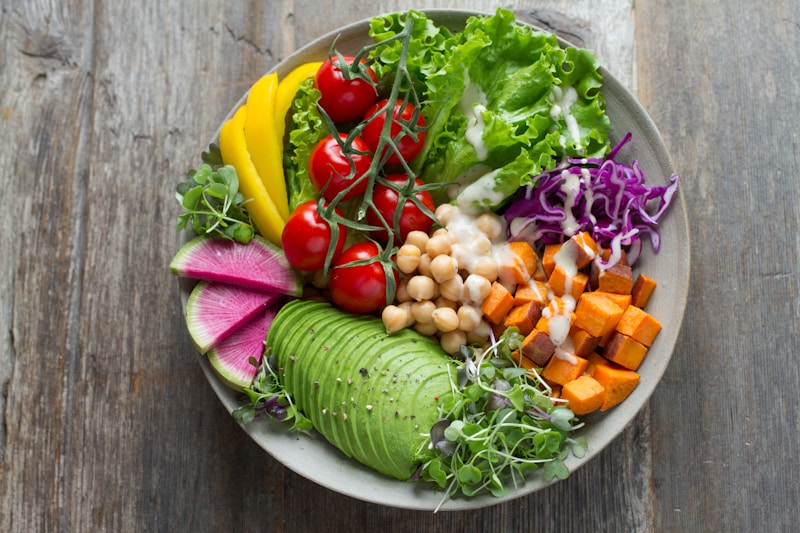
Animal-Based (highest bioavailability)
- Whey protein — fastest absorbing, highest leucine, ideal post-workout
- Eggs — “gold standard” for bioavailability; 6g protein per egg
- Chicken/Turkey breast — lean, complete, ~31g per 100g
- Salmon/Tuna — complete protein + omega-3s for reduced inflammation
- Greek yogurt — convenient, probiotic benefits, ~17g per 200g serving
- Cottage cheese — slow-digesting casein, ideal before bed; ~25g per cup
- Beef/Bison — creatine and zinc bonus; choose lean cuts
Plant-Based (good options)
- Tofu/Tempeh — complete protein; tempeh is fermented for better absorption
- Edamame — 18g per cup, complete amino acid profile
- Lentils — 18g per cup cooked; high fiber; limit leucine
- Black beans/Chickpeas — ~15g per cup; pair with grains for completeness
- Pea protein — excellent plant supplement; comparable to whey in some studies
- Quinoa — complete protein grain; 8g per cup cooked
Protein Timing: Does It Actually Matter?
The “anabolic window” — the idea that you must eat protein within 30 minutes of training or gains disappear — has been largely debunked. However, protein timing does matter in a practical sense.
What the research shows:
Post-workout protein: Still beneficial — muscle is more sensitive to amino acids after training. Aim for 20–40g within 2 hours of your workout.
Pre-workout protein: A protein-containing meal 1–3 hours before training provides adequate amino acids during and after exercise.
Breakfast protein: Starting the day with 30–40g of protein has been shown to reduce hunger and improve body composition versus carb-heavy breakfasts.
Before bed: Casein protein (cottage cheese, Greek yogurt, casein powder) is slow-digesting and provides amino acids during the overnight fasting period — shown to improve overnight MPS and morning recovery.
Protein Distribution Matters More Than Timing
Multiple studies show that distributing protein evenly across 3–5 meals is more effective than consuming most protein in one meal:
- Each meal should contain 25–40g of protein to maximally stimulate MPS
- Consuming 100g of protein in one meal is not equivalent to 25g × 4 meals
- Aim to “hit” MPS 4 times per day through even distribution
Example daily plan (75kg person, 150g protein target):
- Breakfast: 3 eggs + Greek yogurt = 35g
- Lunch: 200g chicken + legumes = 40g
- Snack: Protein shake = 25g
- Dinner: 200g salmon + lentils = 40g
- Total: 140g ✅
Protein Supplements: Do You Need Them?
Short answer: No — whole food protein is always preferred. Supplements are convenient gap-fillers, not replacements.
Whey protein: Most researched, fast-absorbing, complete EAA profile. Ideal post-workout. Casein protein: Slow-digesting. Ideal before bed or as a meal replacement. Pea protein: Best plant-based option; comparable to whey in some studies. Soy protein: Complete plant protein; some concern about phytoestrogens (evidence suggests no harm at normal doses). Creatine (bonus): Not a protein, but increases strength output and lean mass when combined with training. Most studied supplement in existence.
Common Protein Myths Debunked
❌ “High protein damages kidneys” — Only true if you already have kidney disease. Healthy kidneys handle high protein easily. No evidence of harm in healthy individuals.
❌ “Your body can only absorb 30g of protein per meal” — False. Your body absorbs all the protein you eat; the 30g limit refers to the maximum MPS stimulus per meal, not absorption.
❌ “Plant protein is inferior for muscle building” — With proper planning (enough total protein, combining sources, higher leucine targets), plant-based athletes can build muscle equally well.
❌ “You need to eat protein immediately after training” — The anabolic window is 1–2 hours wide, not 30 minutes. Hitting your daily protein target matters far more.
❌ “High protein makes you bulky” — Muscle growth requires a caloric surplus AND training. Eating protein without the caloric surplus and stimulus will not cause unwanted bulk.
Signs You’re Not Getting Enough Protein
- Slow recovery from workouts
- Muscle soreness lasting >72 hours
- Difficulty building or maintaining muscle despite training
- Frequent illness (immune function requires protein)
- Persistent hunger despite adequate calories
- Hair thinning or nail brittleness
- Slow wound healing
Key Takeaways
✅ Target 1.6–2.2g of protein per kg of body weight for muscle building
✅ Increase to 2.2–3.1g/kg during fat loss phases
✅ Prioritize leucine-rich, complete proteins (animal foods or strategic plant combos)
✅ Distribute protein across 3–5 meals (25–40g each) rather than front-loading
✅ Include casein before bed (cottage cheese, Greek yogurt) for overnight MPS
✅ Supplements are convenient but not necessary — whole food first
✅ “High protein damages kidneys” is a myth for healthy individuals
Protein is the one macronutrient where eating more — within evidence-based ranges — almost always improves body composition. Prioritize it, distribute it wisely, and pair it with progressive training. The results will follow.