Anxiety isn’t just feeling stressed—it’s your nervous system stuck in overdrive. The good news? You can train your brain to calm down naturally.
Understanding Anxiety
Anxiety is your body’s alarm system. It evolved to protect you from danger. But in modern life, this alarm often goes off when there’s no real threat.
Physical Symptoms
- Racing heart
- Shallow breathing
- Muscle tension
- Sweating
- Digestive issues
- Difficulty sleeping
Mental Symptoms
- Constant worry
- Racing thoughts
- Difficulty concentrating
- Feeling overwhelmed
- Expecting the worst
“Anxiety is not dangerous. It’s uncomfortable, but it cannot hurt you.”
The Science of Calm
Your nervous system has two modes:
Sympathetic (Fight or Flight)
- Heart rate increases
- Breathing becomes rapid
- Stress hormones flood your body
- Blood flows to muscles
Parasympathetic (Rest and Digest)
- Heart rate slows
- Breathing deepens
- Relaxation hormones release
- Digestion improves
The goal: Learn to activate your parasympathetic system on demand.
Evidence-Based Anxiety Relief
1. Breathing Techniques
The fastest way to calm your nervous system is through your breath.
4-7-8 Breathing:
- Inhale through nose: 4 seconds
- Hold: 7 seconds
- Exhale through mouth: 8 seconds
- Repeat 4 times
Box Breathing:
- Inhale: 4 seconds
- Hold: 4 seconds
- Exhale: 4 seconds
- Hold: 4 seconds
- Repeat 4-6 times
Why it works: Extended exhales activate the vagus nerve, triggering your relaxation response.
2. Progressive Muscle Relaxation
Systematically tense and release muscle groups:
- Start with feet—tense 5 seconds, release 10 seconds
- Move to calves
- Thighs
- Abdomen
- Chest
- Arms
- Hands
- Face
This technique interrupts the anxiety-tension cycle and helps you recognize when you’re holding stress.
3. Grounding Techniques
When anxiety spirals, grounding brings you back to the present.
5-4-3-2-1 Method:
- 5 things you can SEE
- 4 things you can TOUCH
- 3 things you can HEAR
- 2 things you can SMELL
- 1 thing you can TASTE
Cold water technique:
- Splash cold water on your face
- Hold ice cubes
- Take a cold shower
The shock activates the mammalian dive reflex, instantly lowering heart rate.
4. Regular Exercise
Exercise is one of the most effective anxiety treatments:
- Releases endorphins
- Burns off stress hormones
- Improves sleep
- Builds resilience to stress
Best exercises for anxiety:
- Walking (especially in nature)
- Swimming
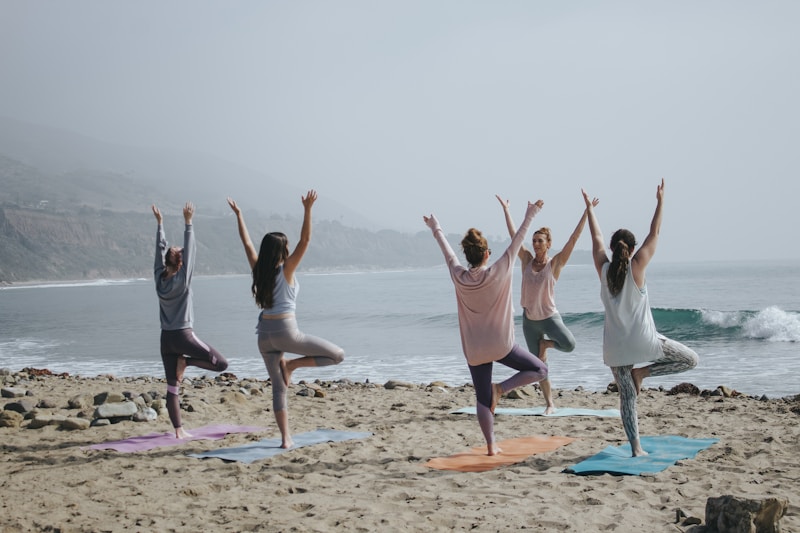
- Yoga
- Cycling
- Dancing
Aim for 30 minutes of moderate exercise most days.
5. Mindfulness Meditation
Regular meditation physically changes your brain, shrinking the amygdala (fear center) and strengthening the prefrontal cortex (rational thinking).
Simple practice:
- Sit comfortably
- Focus on breath
- When mind wanders, gently return to breath
- Start with 5 minutes, build to 20
Apps like Headspace, Calm, or Insight Timer can guide you.
6. Limit Stimulants
Caffeine:
- Mimics anxiety symptoms
- Increases cortisol
- Disrupts sleep
- Limit to 200mg/day (about 2 cups coffee)
Alcohol:
- May feel calming initially
- Increases anxiety as it wears off
- Disrupts sleep quality
- Can create dependency
Sugar:
- Causes blood sugar spikes and crashes
- Worsens mood instability
- Triggers inflammation
Natural Supplements for Anxiety
Well-Researched Options
Magnesium
- Many people are deficient
- Calms nervous system
- Dose: 200-400mg before bed
- Best forms: glycinate, threonate
L-Theanine
- Found in green tea
- Promotes alpha brain waves (calm alertness)
- Dose: 100-200mg
- No drowsiness
Ashwagandha
- Adaptogen that lowers cortisol
- Reduces anxiety by 44% in studies
- Dose: 300-600mg daily
- Take for 6-8 weeks
GABA
- Inhibitory neurotransmitter
- Promotes relaxation
- Dose: 250-750mg
- May help with sleep
CBD
- Interacts with serotonin receptors
- Reduces anxiety in many studies
- Start low: 10-25mg
- Check legality in your area
Important Notes
- Start one supplement at a time
- Give each 4-6 weeks to assess
- Discuss with healthcare provider
- Not a replacement for therapy if needed
Lifestyle Changes for Long-Term Relief
Sleep Hygiene
Poor sleep and anxiety feed each other. Prioritize:
- Consistent sleep schedule
- Cool, dark bedroom
- No screens 1 hour before bed
- Limit caffeine after noon
Social Connection
Isolation amplifies anxiety. Make time for:
- Regular friend/family contact
- Support groups
- Community activities
- Meaningful conversations
Nature Exposure
“Forest bathing” has documented anxiety-reducing effects:
- Lower cortisol
- Reduced blood pressure
- Improved mood
- Better immune function
Aim for 20+ minutes in nature several times per week.
Journaling
Writing externalizes anxious thoughts:
- Brain dump: Write all worries without editing
- Gratitude: List 3 things you’re grateful for
- Problem-solving: Break down worries into actionable steps
Digital Detox
Constant news and social media feed anxiety:
- Set specific times to check
- Turn off notifications
- Unfollow accounts that stress you
- Try phone-free weekends
When Anxiety Needs Professional Help
Natural methods work well for mild-moderate anxiety. Seek professional help if:
- Anxiety significantly impairs daily functioning
- You have panic attacks
- You avoid normal activities due to fear
- Anxiety lasts more than 6 months
- You use substances to cope
- You have thoughts of self-harm
Effective professional treatments:
- Cognitive Behavioral Therapy (CBT)
- EMDR for trauma-related anxiety
- Medication when appropriate
- Group therapy
Quick Relief Toolkit
For moments when anxiety hits:
Immediate (0-5 minutes):
- 4-7-8 breathing
- Cold water on face/wrists
- 5-4-3-2-1 grounding
Short-term (5-30 minutes):
- Walk outside
- Call a friend
- Progressive muscle relaxation
- Listen to calming music
Same-day:
- Exercise
- Nature time
- Journaling
- Meditation
Building Anxiety Resilience
Long-term anxiety management requires consistent practice:
Daily:
- Morning meditation (5-10 min)
- Limited caffeine
- Exercise or movement
- Quality sleep
Weekly:
- Social connection
- Nature exposure
- Journal reflection
- Screen-free time
Monthly:
- Assess what’s working
- Adjust as needed
- Celebrate progress
The Bottom Line
Anxiety is common but manageable. The most effective approach combines:
- Breath work for immediate relief
- Exercise for resilience
- Sleep hygiene for recovery
- Mindfulness for long-term brain changes
- Social support for connection
- Professional help when needed
You can’t eliminate anxiety—it’s part of being human. But you can change your relationship with it.
This information is for educational purposes. If you’re struggling with anxiety, please consult a mental health professional.