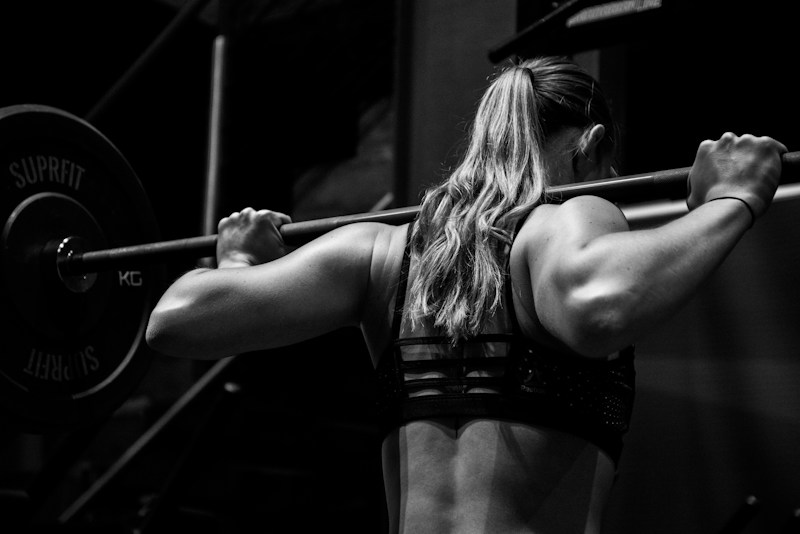
Why Squats Are the King of All Exercises
The squat is often called the “king of exercises” for good reason. This fundamental movement pattern works more muscles simultaneously than almost any other exercise, making it incredibly efficient for building strength, muscle, and functional fitness.
Whether you’re an athlete looking to improve performance, someone seeking weight loss, or simply wanting to maintain functional movement as you age, squats deserve a central place in your fitness routine.
Muscles Worked During Squats
Squats are a true compound movement, engaging multiple muscle groups:
Primary Muscles:
- Quadriceps - Front of the thighs
- Gluteus Maximus - Main buttock muscle
- Hamstrings - Back of the thighs
- Adductors - Inner thighs
Secondary/Stabilizing Muscles:
- Core (rectus abdominis, obliques, transverse abdominis)
- Erector Spinae (lower back)
- Calves (gastrocnemius, soleus)
- Hip flexors
How to Perform the Perfect Bodyweight Squat
Setup:
- Stand with feet shoulder-width apart or slightly wider
- Point toes slightly outward (15-30 degrees)
- Keep chest up and spine neutral
- Engage your core
The Movement:
Descending Phase:
- Initiate by pushing hips back (like sitting into a chair)
- Bend knees, tracking them over your toes
- Keep weight in your heels and midfoot
- Lower until thighs are parallel to ground (or below)
- Maintain neutral spine throughout
Ascending Phase:
- Drive through heels to stand up
- Squeeze glutes at the top
- Keep knees aligned with toes
- Stand tall, don’t hyperextend
Breathing:
- Inhale during the descent
- Exhale during the ascent
- For heavy lifts: Use the Valsalva maneuver (breathe in, brace, hold)
Common Squat Mistakes (And How to Fix Them)
1. Knees Caving Inward
Problem: Valgus collapse, often due to weak glutes Fix: Focus on “spreading the floor” with your feet, strengthen hip abductors, use resistance bands above knees
2. Rising on Toes / Heel Lift
Problem: Poor ankle mobility or weight shifting forward Fix: Work on ankle mobility, elevate heels slightly on plates, focus on sitting back
3. Excessive Forward Lean
Problem: Weak quads or tight hip flexors Fix: Strengthen quads with isolation work, stretch hip flexors, work on core stability
4. Butt Wink (Posterior Pelvic Tilt)
Problem: Pelvis tucks under at the bottom of squat Fix: Improve hip mobility, don’t squat beyond your mobile range, strengthen core
5. Not Hitting Depth
Problem: Stopping short of parallel Fix: Work on hip and ankle mobility, use box squats to learn proper depth
6. Looking Up or Down
Problem: Cervical spine not neutral Fix: Keep eyes fixed on a point slightly above eye level, maintain neutral neck
Squat Variations for Every Level
Beginner Variations
1. Wall Squat
- Stand with back against wall
- Slide down to squat position
- Hold for time
- Great for building isometric strength
2. Box Squat
- Squat down to touch a box or bench
- Pause briefly, then stand
- Teaches proper depth and control
- Reduces fear of falling backward
3. Goblet Squat
- Hold a dumbbell or kettlebell at chest
- Acts as counterbalance
- Encourages upright torso
- Excellent for learning proper form
Intermediate Variations
4. Front Squat
- Barbell across front shoulders
- Emphasizes quads and core
- Requires good mobility
- More upright torso position
5. Back Squat
- Barbell across upper back (high bar) or rear deltoids (low bar)
- The classic strength builder
- Allows heavier loading
- Requires good technique
6. Bulgarian Split Squat
- Rear foot elevated on bench
- Unilateral leg exercise
- Great for addressing imbalances
- Challenges balance and stability
Advanced Variations
7. Pause Squat
- Pause 2-3 seconds at the bottom
- Eliminates stretch reflex
- Builds strength out of the hole
- Improves positional awareness
8. Pistol Squat (Single-Leg Squat)
- One leg extended forward
- Ultimate test of leg strength and mobility
- Requires exceptional balance
- Bodyweight mastery exercise
9. Overhead Squat
- Barbell held overhead with wide grip
- Tests full-body mobility and stability
- Used in Olympic weightlifting
- Advanced skill requiring proper progression
Progressive Squat Training Program
Week 1-4: Foundation Phase
| Day | Exercise | Sets x Reps | |—–|———-|————-| | 1 | Bodyweight Squat | 3 x 15 | | 1 | Goblet Squat | 3 x 12 | | 2 | Box Squat | 3 x 10 | | 2 | Wall Sit | 3 x 30 sec |
Week 5-8: Strength Building
| Day | Exercise | Sets x Reps | |—–|———-|————-| | 1 | Back Squat | 4 x 8 | | 1 | Bulgarian Split Squat | 3 x 10 each | | 2 | Front Squat | 4 x 8 | | 2 | Goblet Squat | 3 x 12 |
Week 9-12: Intensification
| Day | Exercise | Sets x Reps | |—–|———-|————-| | 1 | Back Squat | 5 x 5 | | 1 | Pause Squat | 3 x 5 | | 2 | Front Squat | 4 x 6 | | 2 | Single-Leg Press | 3 x 10 each |
Benefits of Regular Squat Training
1. Builds Functional Strength
Squats mimic everyday movements like sitting, standing, and picking things up. Regular practice keeps you strong for daily activities.
2. Burns Significant Calories
Working large muscle groups simultaneously creates a high metabolic demand, excellent for fat loss and body composition.
3. Increases Hormone Production
Squats stimulate the release of testosterone and growth hormone, promoting muscle growth throughout the body.
4. Improves Core Strength
The core must work constantly to stabilize the spine during squats, building a stronger midsection.
5. Enhances Athletic Performance
Nearly every sport requires lower body power. Squats build the foundation for jumping, running, and quick direction changes.
6. Promotes Joint Health
When performed correctly, squats strengthen the muscles, ligaments, and connective tissues around the knees and hips.
7. Maintains Mobility
Full-range squats preserve hip, knee, and ankle mobility that tends to decrease with age and sedentary lifestyles.
Mobility Work for Better Squats
Pre-Workout Routine (5-10 minutes)
1. Ankle Circles - 10 each direction, each ankle
2. Deep Squat Hold - Hold bottom position for 30-60 seconds
3. Hip 90/90 Stretch - 30 seconds each side
4. Cat-Cow - 10 repetitions
5. World’s Greatest Stretch - 5 each side
Key Areas to Stretch:
- Hip flexors (rectus femoris, psoas)
- Adductors (inner thighs)
- Calves (gastrocnemius, soleus)
- Glutes (especially piriformis)
- Thoracic spine (upper back)
Safety Tips and Injury Prevention
Do’s:
✅ Warm up properly before heavy squats ✅ Start with lighter weights to perfect form ✅ Use a spotter for heavy attempts ✅ Keep the bar centered and balanced ✅ Know your limits ✅ Progress gradually
Don’ts:
❌ Bounce at the bottom ❌ Let knees collapse inward ❌ Round your lower back ❌ Ignore pain signals ❌ Ego lift beyond your capability ❌ Skip mobility work
Equipment for Squat Training
Essential:
- Squat rack or power cage - Safety and barbell support
- Barbell - Standard 20kg/45lb Olympic bar
- Weight plates - Bumper plates ideal for dropping
Helpful Accessories:
- Weightlifting belt - Core support for heavy lifts
- Squat shoes - Elevated heels improve ankle mobility
- Knee sleeves - Joint warmth and mild support
- Wrist wraps - For front squat rack position
At-Home Options:
- Dumbbells or kettlebells - For goblet squats
- Resistance bands - Added resistance or cues for knee tracking
- Sturdy box or bench - For box squats
Frequently Asked Questions
Q: How deep should I squat? A: Ideally, below parallel (hip crease below knee). However, depth depends on your mobility. Work to improve range over time.
Q: How often should I squat? A: 2-4 times per week is common, depending on intensity and recovery. Allow 48-72 hours between heavy sessions.
Q: Are squats bad for your knees? A: No! When performed correctly, squats strengthen the structures around the knee. Poor form or excessive weight causes problems.
Q: Should I use a belt? A: Belts are useful for heavy lifts (above 80% 1RM). Learn to brace properly without a belt first.
Q: Can I squat every day? A: Yes, with proper programming (varying intensity and volume). This is called “squat every day” training and works for some lifters.
Sample Weekly Squat Routine
Monday - Heavy Day
- Back Squat: 5x5 @ 80% 1RM
- Pause Squat: 3x3 @ 70% 1RM
Wednesday - Light/Technique Day
- Front Squat: 4x6 @ 65% 1RM
- Goblet Squat: 3x12
Friday - Moderate Day
- Back Squat: 4x8 @ 70% 1RM
- Bulgarian Split Squat: 3x10 each leg
Conclusion
The squat is an irreplaceable exercise that belongs in virtually everyone’s training program. From building impressive leg strength and muscle to improving functional movement patterns and athletic performance, the benefits are undeniable.
Start where you are—even if that’s wall squats or assisted bodyweight squats. Focus on mastering proper technique before adding significant weight. Be patient with mobility work, as improved range of motion takes time but pays enormous dividends.
Remember: Consistency beats intensity. Regular practice of good squats will transform your fitness over time more than occasional heavy attempts with poor form.
Now get squatting! 🦵💪
Disclaimer: This article is for informational purposes only. Consult a qualified fitness professional before beginning any new exercise program, especially if you have existing injuries or health conditions.