Blood Sugar Balance: Your Key to Stable Energy and Optimal Health
Blood sugar management isn’t just for diabetics. Whether you’re dealing with afternoon energy crashes, struggling with weight, or simply want to optimize your health, understanding and controlling your blood glucose is fundamental to feeling your best.
Why Blood Sugar Matters
Every cell in your body uses glucose (blood sugar) for energy. When blood sugar levels spike and crash throughout the day, you experience:
- Energy crashes and fatigue
- Brain fog and difficulty concentrating
- Intense cravings for sugar and carbs
- Mood swings and irritability
- Weight gain, especially around the midsection
- Poor sleep quality
- Increased inflammation
Over time, chronic blood sugar imbalances can lead to insulin resistance, metabolic syndrome, and type 2 diabetes.
Understanding the Blood Sugar Roller Coaster
What Happens After You Eat
- Carbohydrates break down into glucose
- Blood glucose rises as sugar enters bloodstream
- Pancreas releases insulin to shuttle glucose into cells
- Blood sugar drops as cells absorb glucose
- If the spike was too high, the crash triggers hunger and cravings
The Problem with Modern Eating
Today’s processed foods cause rapid, dramatic blood sugar spikes:
| Food | Glycemic Response | Effect |
|---|---|---|
| White bread | High spike | Crash in 1-2 hours |
| Soda/juice | Very high spike | Crash in 30-60 min |
| Candy | Very high spike | Quick crash |
| Brown rice + vegetables | Moderate rise | Sustained energy |
| Eggs + avocado | Minimal rise | Stable for hours |
The Glucose Goddess Method
Biochemist Jessie Inchauspé popularized science-backed “hacks” to flatten glucose curves:
1. Eat Foods in the Right Order
The optimal sequence:
- Vegetables/fiber first (5-10 minutes before)
- Protein and fats second
- Carbohydrates/starches last
This simple change can reduce glucose spikes by up to 73% by creating a fiber “mesh” that slows sugar absorption.
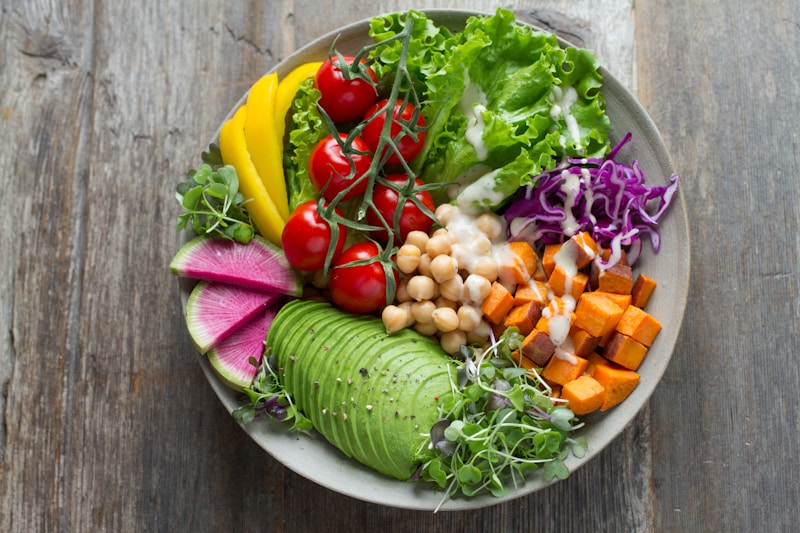
2. Start Meals with a Veggie Starter
Before your main meal, eat:
- A small salad
- Raw vegetables with hummus
- Sautéed greens
- Vegetable soup
This “veggie starter” dramatically reduces the glucose spike from whatever follows.
3. Add Vinegar Before Carby Meals
1 tablespoon of vinegar (apple cider, white wine, or balsamic) in water before meals can:
- Reduce glucose spikes by 20-30%
- Improve insulin sensitivity
- Increase satiety
The acetic acid slows gastric emptying and enzyme activity, resulting in slower glucose release.
4. Move After Eating
A 10-minute walk after meals can reduce glucose spikes by up to 30%. Your muscles act as “glucose sinks,” absorbing blood sugar without needing extra insulin.
Even light movement helps:
- Walking
- Light stretching
- Cleaning up
- Playing with kids/pets
5. Never Eat Carbs Naked
Always pair carbohydrates with:
- Protein (chicken, fish, eggs, legumes)
- Healthy fats (olive oil, nuts, avocado)
- Fiber (vegetables, seeds)
A “naked” carb (bread alone, fruit alone) spikes blood sugar much more than when combined with protein and fat.
Foods That Stabilize Blood Sugar
Best Choices
Proteins:
- Eggs
- Fish (especially fatty fish)
- Chicken and turkey
- Legumes and lentils
- Greek yogurt
Healthy Fats:
- Avocado
- Olive oil
- Nuts and seeds
- Coconut oil
Low-Glycemic Carbs:
- Leafy greens
- Non-starchy vegetables
- Berries
- Quinoa
- Steel-cut oats
Blood Sugar Superstars:
- Cinnamon (can lower fasting glucose by 10-29%)
- Apple cider vinegar
- Chia seeds (high fiber, slows absorption)
- Legumes (low GI, high fiber)
Foods to Minimize
- White bread and refined grains
- Sugary drinks and juices
- Candy and sweets
- Most breakfast cereals
- White rice (in large portions)
- Fruit juice (even 100% juice)
Supplements for Blood Sugar Support
Evidence-Based Options
| Supplement | Mechanism | Dosage |
|---|---|---|
| Berberine | Activates AMPK, improves insulin sensitivity | 500mg 2-3x/day |
| Magnesium | Insulin receptor function | 200-400mg/day |
| Chromium | Enhances insulin action | 200-1000mcg/day |
| Alpha-lipoic acid | Antioxidant, glucose uptake | 300-600mg/day |
| Cinnamon extract | Slows carb digestion | 1-6g/day |
Always consult a healthcare provider before starting supplements.
Daily Habits for Stable Blood Sugar
Morning Routine
- Delay coffee until after breakfast (or have with protein/fat)
- Eat a savory breakfast high in protein
- Avoid sugary cereals, pastries, and juice
- Include healthy fats (eggs, avocado, nuts)
Throughout the Day
- Eat regular meals (don’t skip, which causes overcompensation)
- Stay hydrated (dehydration affects glucose regulation)
- Choose snacks wisely (nuts > crackers, cheese > cookies)
- Walk after meals when possible
Evening Habits
- Finish eating 3+ hours before bed
- Keep dinner balanced (not carb-heavy)
- Prioritize sleep (poor sleep worsens insulin sensitivity)
- Manage stress (cortisol raises blood sugar)
Tracking Your Blood Sugar
Continuous Glucose Monitors (CGMs)
Devices like Dexcom, Libre, and Levels allow real-time glucose tracking:
Benefits:
- See how specific foods affect YOU
- Identify personal trigger foods
- Optimize meal timing and composition
- Immediate feedback on lifestyle changes
What to Look For
Healthy ranges:
- Fasting: 70-100 mg/dL
- After meals: Peak < 140 mg/dL, return to baseline within 2-3 hours
- Average (if tracking): 80-100 mg/dL
Warning signs:
- Frequent spikes above 140 mg/dL
- Slow return to baseline (>3 hours)
- Fasting levels consistently above 100 mg/dL
The Exercise Connection
Best Exercises for Blood Sugar
Resistance training:
- Builds muscle (more glucose storage capacity)
- Improves insulin sensitivity for 24-48 hours
- 2-3 sessions per week recommended
Walking:
- Most accessible option
- 10-15 minutes after meals ideal
- Aim for 7,000-10,000 steps daily
HIIT:
- Powerful insulin sensitivity boost
- Time-efficient
- 2-3 sessions per week maximum
Sample Day for Stable Blood Sugar
Breakfast (8 AM):
- 2-3 eggs scrambled with vegetables
- ¼ avocado
- Small portion berries
- Black coffee or green tea
Lunch (12:30 PM):
- Large salad with olive oil dressing (eat first)
- Grilled chicken or salmon
- Quinoa or sweet potato (eat last)
- 10-minute walk after
Snack (3:30 PM):
- Handful of nuts
- Apple slices with almond butter
Dinner (7 PM):
- Vegetable soup starter
- Salmon with roasted vegetables
- Small portion brown rice
- Evening walk
The Bottom Line
Blood sugar management is one of the most impactful changes you can make for your health. By following evidence-based strategies—eating foods in the right order, adding fiber before meals, moving after eating, and choosing balanced whole foods—you can transform your energy levels, mood, and long-term health outlook.
Start with one or two changes and build from there. Your body will thank you with stable energy, clearer thinking, and better overall well-being.
Disclaimer: This article is for informational purposes only and is not intended as medical advice. If you have diabetes or suspect blood sugar issues, please consult with a healthcare provider for proper diagnosis and treatment.