Swimming for Health: The Ultimate Full-Body Workout Guide
Swimming is often called the perfect exercise—and for good reason. It works every major muscle group, provides excellent cardiovascular benefits, and does it all while being gentle on your joints. Whether you’re a competitive athlete or just starting your fitness journey, swimming offers benefits that few other exercises can match.
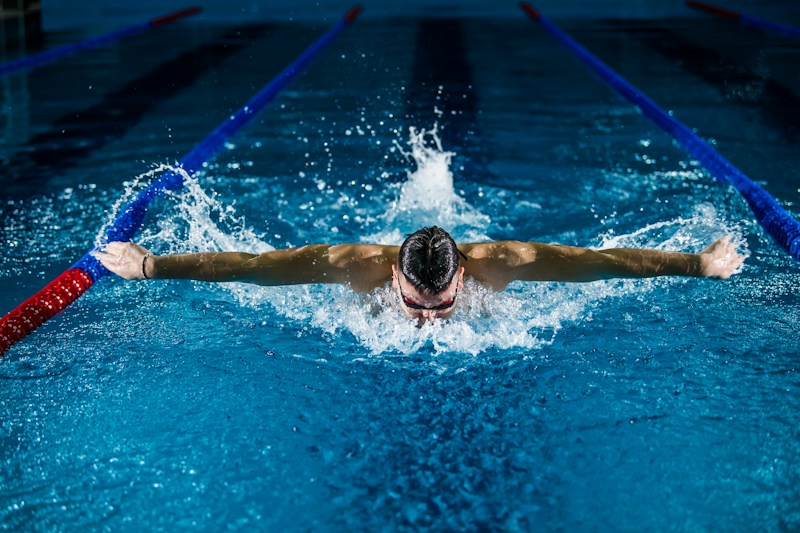
Why Swimming Stands Out
Unlike land-based exercises, swimming takes advantage of water’s unique properties to create an incredibly effective workout environment:
Water’s Natural Advantages
- Buoyancy: Water supports 90% of your body weight, reducing joint stress
- Resistance: Water is 800x denser than air, providing natural resistance
- Hydrostatic pressure: Improves circulation and reduces swelling
- Temperature regulation: Water keeps you cool during intense exercise
- Low impact: Ideal for injury recovery and prevention
Physical Health Benefits
Cardiovascular Fitness
Swimming is exceptional for heart health:
- Strengthens the heart muscle
- Improves circulation throughout the body
- Lowers blood pressure
- Reduces resting heart rate over time
- Decreases risk of heart disease by up to 41%
Just 30 minutes of swimming burns approximately 200-400 calories depending on intensity and stroke, making it effective for weight management.
Full-Body Muscle Engagement
Every stroke works multiple muscle groups simultaneously:
| Stroke | Primary Muscles |
|---|---|
| Freestyle | Shoulders, lats, core, quads |
| Backstroke | Back, shoulders, hamstrings |
| Breaststroke | Chest, inner thighs, triceps |
| Butterfly | Entire upper body, core |

Joint-Friendly Exercise
Swimming is particularly valuable for:
- Arthritis sufferers: Water exercise can reduce pain and stiffness
- Injury recovery: Low-impact movement aids rehabilitation
- Elderly individuals: Safe exercise that maintains mobility
- Overweight individuals: Reduced joint stress while exercising
- Pregnant women: Supports body weight and relieves pressure
Mental Health Benefits
The benefits of swimming extend far beyond physical fitness:
Stress Reduction
- Rhythmic breathing promotes relaxation
- Water immersion has a calming effect
- Exercise releases endorphins
- Provides mental “timeout” from daily stress
Cognitive Benefits
Research shows swimming can:
- Improve memory and cognitive function
- Increase blood flow to the brain
- Reduce symptoms of anxiety and depression
- Enhance mood through dopamine release
Better Sleep
Regular swimmers often report:
- Falling asleep faster
- Deeper, more restful sleep
- Fewer nighttime awakenings
- Feeling more refreshed upon waking
Getting Started with Swimming
Essential Gear
- Swimsuit: Comfortable, fitted athletic swimwear
- Goggles: Protect eyes and improve visibility
- Swim cap: Optional, but protects hair and reduces drag
- Kickboard: Helpful for learning and drills
- Pull buoy: Isolates upper body work
Basic Swimming Routine for Beginners
Week 1-2: Foundation
- 2-3 sessions per week
- 15-20 minutes per session
- Focus on comfort in water and basic strokes
- Mix swimming with rest intervals
Week 3-4: Building Endurance
- 3 sessions per week
- 25-30 minutes per session
- Reduce rest intervals
- Try different strokes
Week 5-8: Progressive Training
- 3-4 sessions per week
- 30-45 minutes per session
- Add interval training
- Include drills for technique improvement
Swimming Techniques for Maximum Benefit
Freestyle (Front Crawl)
The most efficient stroke for exercise:
- Keep body horizontal and streamlined
- Rotate hips with each stroke
- Breathe to the side, not forward
- Keep kicks small and from the hips
- Enter water with fingertips first
Breathing Tips
Proper breathing is crucial:
- Exhale continuously underwater
- Inhale quickly when turning head
- Don’t hold your breath
- Practice bilateral breathing (both sides)
Common Mistakes to Avoid
- Holding head too high: Creates drag and strains neck
- Flat body position: Reduces efficiency
- Over-kicking: Wastes energy, creates little propulsion
- Gripping the water: Keep hands relaxed
- Skipping warm-up: Increases injury risk
Swimming for Specific Goals
Weight Loss
- Aim for 45-60 minutes, 4-5 times weekly
- Include high-intensity intervals
- Combine with strength training outside the pool
Cardiovascular Health
- Moderate intensity, 30-45 minutes
- 3-5 times per week
- Maintain consistent heart rate
Muscle Toning
- Focus on different strokes each session
- Add resistance with paddles or fins
- Include pool exercises (aqua jogging, treading water)
Stress Relief
- Any duration works
- Focus on rhythm and breathing
- Consider evening swims for better sleep
Safety Considerations
- Never swim alone
- Know your limits
- Stay hydrated (yes, even in water!)
- Wait 30-60 minutes after eating
- Learn basic water safety and CPR
- Be aware of pool rules and depth
Conclusion
Swimming offers a unique combination of cardiovascular exercise, strength training, and stress relief—all while protecting your joints from impact. Whether you’re recovering from an injury, looking to lose weight, or simply want an enjoyable way to stay fit, swimming deserves a place in your exercise routine.
Start slow, focus on technique, and gradually build up your endurance. The pool is waiting, and your healthier self is just a few laps away.
Ready to dive in? Check with your local community center, YMCA, or gym for pool access and swimming lessons if you’re just getting started.