Anti-Inflammatory Diet: Foods That Fight Chronic Inflammation and Boost Health
Chronic inflammation is increasingly recognized as the root cause of many modern diseases—from heart disease and diabetes to arthritis and Alzheimer’s. The good news? What you eat can dramatically reduce inflammation and protect your health for years to come.
Understanding Inflammation: Friend or Foe?
Acute vs. Chronic Inflammation
Acute inflammation is your body’s natural healing response—the redness and swelling when you cut your finger. This is beneficial and temporary.
Chronic inflammation is the silent killer. When inflammation persists for months or years, it damages tissues and organs, leading to:
- Heart disease
- Type 2 diabetes
- Cancer
- Alzheimer’s disease
- Autoimmune conditions
- Depression and anxiety
What Causes Chronic Inflammation?
- Poor diet (processed foods, sugar, trans fats)
- Obesity
- Chronic stress
- Lack of sleep
- Environmental toxins
- Sedentary lifestyle
The Science Behind Anti-Inflammatory Eating
Research shows that certain foods contain powerful compounds that reduce inflammatory markers like C-reactive protein (CRP), interleukin-6 (IL-6), and tumor necrosis factor-alpha (TNF-α).
A study published in the Journal of the American College of Cardiology found that people following an anti-inflammatory diet had a 20% lower risk of cardiovascular disease and 18% lower all-cause mortality.
Top Anti-Inflammatory Foods to Eat Daily
1. Fatty Fish
Salmon, mackerel, sardines, and anchovies are rich in omega-3 fatty acids (EPA and DHA), which are among the most potent anti-inflammatory compounds.
- Aim for 2-3 servings per week
- Wild-caught is preferable to farmed
- Consider fish oil supplements if you don’t eat fish
2. Leafy Greens
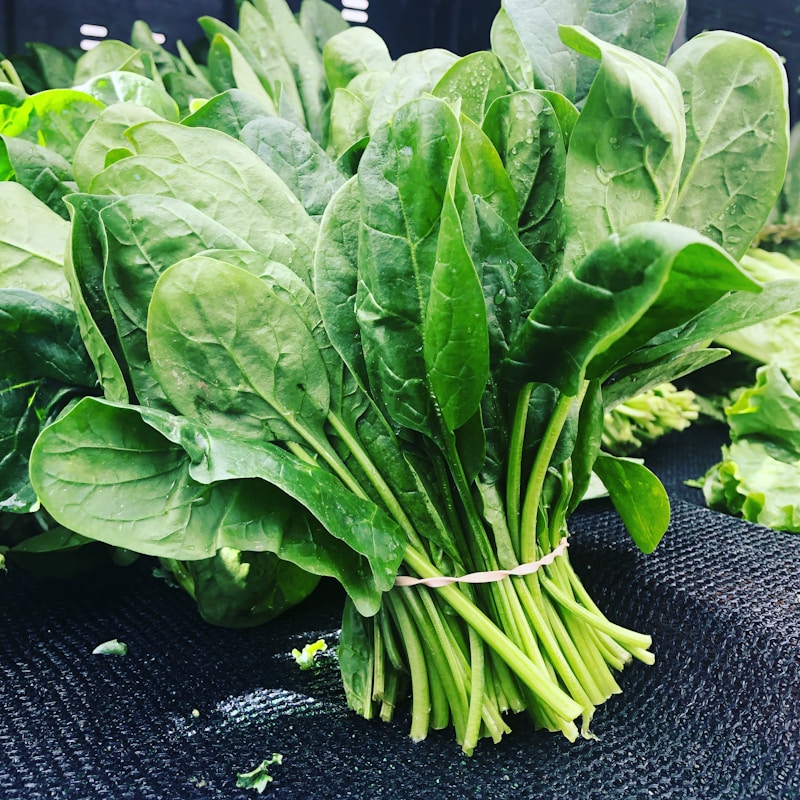
Spinach, kale, collard greens, and Swiss chard contain:
- Vitamin K (reduces inflammatory markers)
- Antioxidants (neutralize free radicals)
- Fiber (supports gut health)
3. Berries
Blueberries, strawberries, raspberries, and blackberries are packed with anthocyanins—powerful anti-inflammatory antioxidants that give them their vibrant colors.
- Eat 1 cup daily (fresh or frozen)
- Add to smoothies, oatmeal, or yogurt
- Choose organic when possible
4. Extra Virgin Olive Oil
The Mediterranean diet’s star ingredient contains oleocanthal, which has similar anti-inflammatory effects to ibuprofen.
- Use for cooking and salad dressings
- Choose cold-pressed, extra virgin varieties
- 2-4 tablespoons daily
5. Nuts and Seeds
Almonds, walnuts, flaxseeds, and chia seeds provide:
- Healthy fats
- Fiber
- Vitamin E
- Plant-based omega-3s
6. Turmeric and Ginger
These spices contain curcumin and gingerol—compounds with powerful anti-inflammatory properties.
- Add to curries, soups, and smoothies
- Combine turmeric with black pepper for better absorption
- Consider supplements for therapeutic doses
7. Green Tea
Rich in EGCG (epigallocatechin gallate), green tea reduces inflammation and supports cellular health.
- Drink 3-4 cups daily
- Choose matcha for concentrated benefits
- Avoid adding sugar
Foods That Cause Inflammation (Avoid These)
The Inflammatory Offenders
| Food Category | Examples | Why It’s Harmful |
|---|---|---|
| Refined sugars | Soda, candy, pastries | Spikes blood sugar, increases inflammatory markers |
| Trans fats | Fried foods, margarine | Damages blood vessels, promotes inflammation |
| Processed meats | Hot dogs, bacon, sausage | Contains AGEs and nitrates |
| Refined carbs | White bread, pasta | Rapid blood sugar spikes |
| Excessive alcohol | More than 1-2 drinks | Disrupts gut barrier, increases CRP |
| Seed oils | Soybean, corn, canola oil | High omega-6 to omega-3 ratio |
Sample Anti-Inflammatory Meal Plan
Day 1
Breakfast: Greek yogurt with blueberries, walnuts, and a drizzle of honey
Lunch: Large salad with mixed greens, grilled salmon, avocado, olive oil dressing
Dinner: Turmeric-spiced chicken with roasted vegetables and quinoa
Snacks: Apple slices with almond butter, green tea
Day 2
Breakfast: Spinach and mushroom omelet with whole grain toast
Lunch: Lentil soup with leafy greens side salad
Dinner: Baked mackerel with roasted sweet potatoes and broccoli
Snacks: Mixed berries, handful of almonds
Day 3
Breakfast: Overnight oats with chia seeds, strawberries, and cinnamon
Lunch: Mediterranean bowl with chickpeas, cucumber, tomatoes, olives, feta
Dinner: Grass-fed beef stir-fry with ginger, garlic, and colorful vegetables
Snacks: Carrot sticks with hummus, matcha latte
Lifestyle Factors That Reduce Inflammation
Diet is powerful, but combining it with these habits amplifies results:
1. Regular Exercise
- Moderate activity reduces inflammatory markers
- Aim for 150 minutes per week
- Both cardio and strength training help
2. Quality Sleep
- 7-9 hours nightly
- Poor sleep increases inflammation significantly
- Maintain consistent sleep schedule
3. Stress Management
- Chronic stress elevates cortisol and inflammation
- Practice meditation, deep breathing, yoga
- Spend time in nature
4. Maintain Healthy Weight
- Excess fat tissue produces inflammatory compounds
- Even modest weight loss reduces inflammation
Measuring Your Inflammation Levels
Consider testing these markers with your doctor:
- hs-CRP (high-sensitivity C-reactive protein): Ideal is under 1.0 mg/L
- ESR (erythrocyte sedimentation rate)
- Fibrinogen
- Homocysteine
Getting Started: Your 4-Week Plan
Week 1: Elimination
Remove the biggest offenders: soda, fried foods, processed snacks, white bread
Week 2: Addition
Add one anti-inflammatory food to each meal (berries at breakfast, leafy greens at lunch, fish at dinner)
Week 3: Optimization
Incorporate turmeric daily, switch to olive oil, add green tea
Week 4: Lifestyle Integration
Add exercise, improve sleep, practice stress reduction
Common Questions Answered
Q: How quickly will I see results? A: Many people notice improved energy and reduced joint pain within 2-4 weeks. Inflammatory markers typically improve within 2-3 months.
Q: Is this diet expensive? A: Focus on affordable staples like beans, eggs, frozen berries, and seasonal vegetables. You’ll save money by cutting processed foods.
Q: Can I still eat meat? A: Yes! Choose grass-fed, organic options when possible. Limit red meat to 1-2 times weekly and avoid processed meats.
The Bottom Line
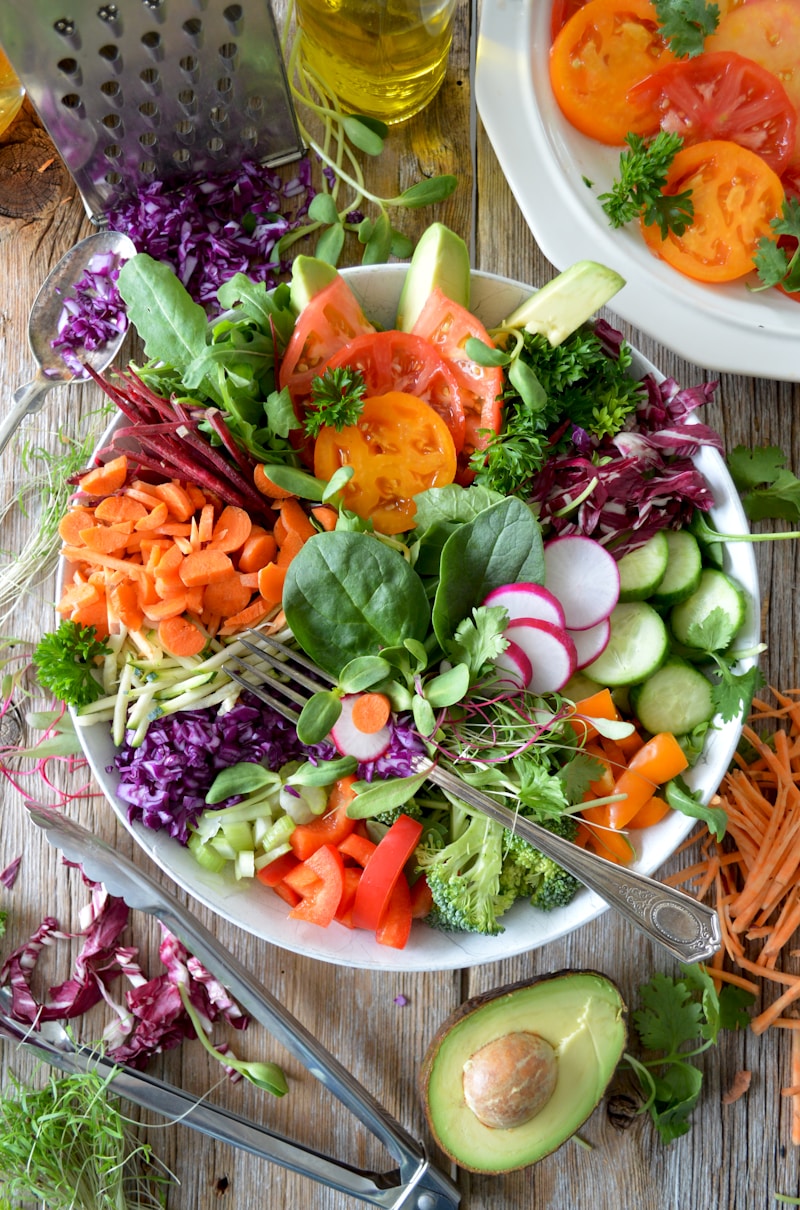
An anti-inflammatory diet isn’t about restriction—it’s about choosing foods that heal rather than harm. By prioritizing whole, colorful, nutrient-dense foods and minimizing processed options, you can dramatically reduce chronic inflammation and set yourself up for long-term health.
Start with one meal, one day at a time. Your body will thank you.
Disclaimer: This article is for informational purposes only. Consult with a healthcare provider before making significant dietary changes, especially if you have existing health conditions.