Power Nap Benefits: Your Science-Backed Guide to Better Energy
Feeling that afternoon slump? A strategic power nap might be your secret weapon. Science shows that brief naps can dramatically boost alertness, creativity, and cognitive performance—without the grogginess.
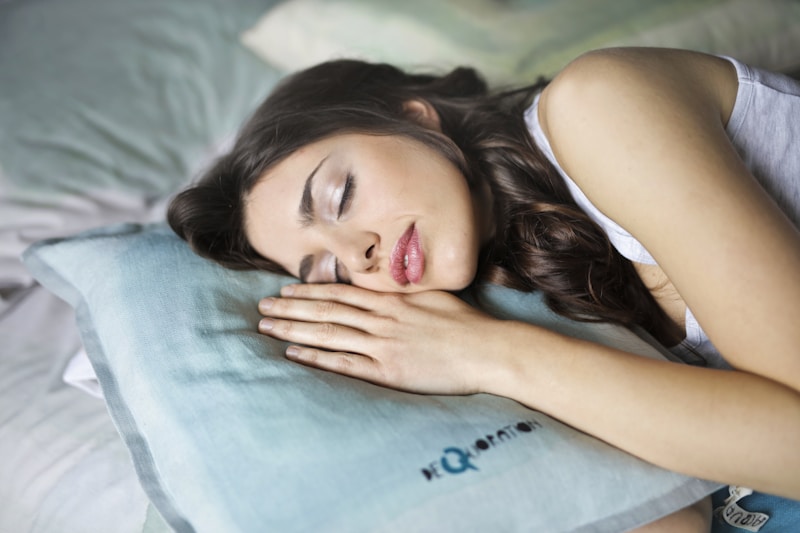
What Is a Power Nap?
A power nap is a short sleep session, typically 10-30 minutes, designed to enhance alertness and performance. Unlike longer naps, power naps keep you in lighter sleep stages, making it easier to wake up refreshed.
Key characteristics:
- Duration: 10-30 minutes
- Timing: Early to mid-afternoon (1-3 PM)
- Sleep stages: N1 and N2 (light sleep)
- Goal: Restore alertness, not replace nighttime sleep
The Science Behind Power Naps
Sleep Stages and Timing
Understanding sleep stages is crucial:
| Stage | Duration | What Happens |
|---|---|---|
| N1 | 1-5 min | Light dozing, easily awakened |
| N2 | 10-25 min | Body temp drops, heart slows |
| N3 | 20-40 min | Deep sleep (avoid waking here) |
| REM | 90+ min | Dreaming, memory consolidation |
The sweet spot: Wake during N1 or N2 to feel refreshed. Entering N3 (deep sleep) leads to sleep inertia—that groggy, disoriented feeling.
Why 20 Minutes Works
Research from NASA found that a 26-minute nap improved pilot performance by 34% and alertness by 54%. The 10-30 minute range:
- Boosts short-term alertness
- Enhances motor performance
- Improves mood and reduces stress
- Avoids deep sleep grogginess
Proven Benefits of Power Naps
1. Enhanced Cognitive Function
Studies show power naps improve:
- Memory consolidation (up to 20% improvement)
- Learning capacity for new information
- Problem-solving abilities
- Creative thinking
2. Increased Alertness
A NASA study found pilots who napped were 54% more alert than non-nappers. Benefits last 1-3 hours post-nap.

3. Better Mood
Power naps reduce:
- Frustration and irritability
- Impulsivity
- Emotional reactivity
- Afternoon stress levels
4. Physical Performance
Athletes who nap show:
- Faster reaction times
- Improved endurance
- Better accuracy
- Enhanced muscle recovery
5. Heart Health
Regular nappers have:
- 37% lower risk of coronary mortality (Harvard study)
- Reduced blood pressure
- Lower stress hormone levels
The Perfect Power Nap: Step by Step
1. Choose the Right Time
Optimal window: 1:00 PM - 3:00 PM
This aligns with your natural circadian dip. Napping later can interfere with nighttime sleep.
2. Set an Alarm
Recommended duration by goal:
- 10 minutes: Quick alertness boost
- 20 minutes: Optimal balance (most recommended)
- 30 minutes: Maximum without deep sleep risk
- 90 minutes: Full sleep cycle (includes REM)
3. Create the Right Environment
- Dark: Use an eye mask or close blinds
- Quiet: Try earplugs or white noise
- Cool: 65-68°F (18-20°C) is ideal
- Comfortable: Recline if possible
4. Use the “Caffeine Nap” Hack
Drink coffee immediately before your nap:
- Caffeine takes 20-30 minutes to kick in
- You wake naturally as it activates
- Double boost: nap benefits + caffeine alertness
5. Wake Up Gently
- Stretch slowly
- Expose yourself to bright light
- Move around for 5 minutes
- Splash cold water on face if needed
Common Power Nap Mistakes
❌ Napping Too Long
Waking during deep sleep causes grogginess that can last hours. Stick to 20-30 minutes max.
❌ Napping Too Late
After 3 PM, naps can disrupt your nighttime sleep. Morning and early afternoon only.
❌ Uncomfortable Position
You don’t need to lie flat. A reclined chair or head-on-desk position works fine for short naps.
❌ Skipping the Alarm
“Just 10 more minutes” can turn into 2 hours. Always set an alarm.
Who Should (and Shouldn’t) Nap
Power Naps Are Great For:
- Shift workers
- New parents
- Athletes
- Students before exams
- Anyone with afternoon fatigue
- People recovering from jet lag
Be Cautious If:
- You have insomnia (naps may worsen it)
- You sleep poorly at night
- You feel excessively tired daily (see a doctor)
- You have sleep apnea
Power Nap Alternatives
Can’t nap? Try these:
- 10-minute meditation - Similar restorative benefits
- Brief walk outside - Light exposure fights sleepiness
- Cold water face splash - Activates alertness response
- Deep breathing (4-7-8 technique) - Calms and energizes
Quick Reference: Nap Duration Guide
| Length | Best For | Watch Out For |
|---|---|---|
| 5-10 min | Quick refresh | Limited benefits |
| 15-20 min | Ideal power nap | None |
| 30 min | Extended boost | Possible grogginess |
| 60 min | Memory consolidation | Deep sleep inertia |
| 90 min | Full cycle + REM | Time commitment |
Conclusion
Power naps are a proven, free, and effective way to boost your afternoon performance. The key is keeping them short (20 minutes), timing them right (early afternoon), and creating a consistent habit. Start tomorrow: set a 20-minute alarm, find a quiet spot, and experience the difference.
This article is for informational purposes. If you experience excessive daytime sleepiness, consult a healthcare provider to rule out underlying conditions.