Muscle Recovery After Workout: Your Complete Guide to Faster Healing
You’ve pushed through an intense workout. Now what? Recovery isn’t just about rest—it’s when your muscles actually grow stronger. Master these recovery strategies to maximize your gains and minimize soreness.

Understanding Muscle Recovery
When you exercise, you create microscopic tears in muscle fibers. Recovery is when your body repairs these tears, building back stronger—a process called muscle protein synthesis.
Key recovery factors:
- Nutrition (protein and nutrients)
- Sleep quality
- Hydration
- Active recovery
- Stress management
The Science of Muscle Soreness
Delayed Onset Muscle Soreness (DOMS)
That familiar soreness 24-72 hours after exercise is DOMS. It’s caused by:
- Micro-tears in muscle fibers
- Inflammation response
- Calcium buildup in damaged cells
- Nerve sensitization
DOMS is normal and indicates your muscles are adapting. Severe pain or swelling, however, may signal injury.
Essential Recovery Strategies
1. Protein Timing and Amount
Protein provides the building blocks for muscle repair.
How much?
- General: 1.6-2.2g per kg body weight daily
- Post-workout: 20-40g within 2 hours
- Before bed: 30-40g casein for overnight repair
Best sources:
- Whey protein (fast-absorbing)
- Eggs
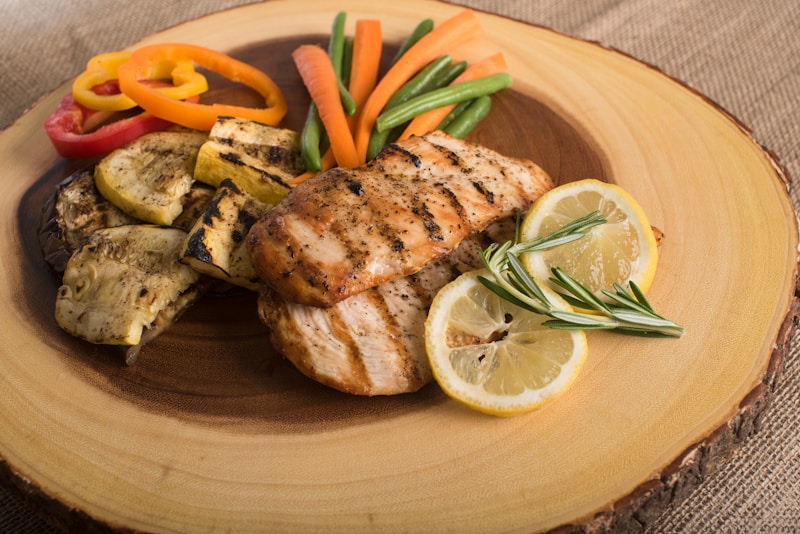
- Chicken breast
- Greek yogurt
- Fish
2. Sleep: The Ultimate Recovery Tool
During deep sleep, your body releases growth hormone essential for muscle repair.
Sleep optimization tips:
- Aim for 7-9 hours per night
- Keep consistent sleep/wake times
- Sleep in a cool, dark room
- Avoid screens 1 hour before bed
- Consider a casein protein shake before sleep
Research shows: Athletes sleeping less than 8 hours have 1.7x higher injury risk.
3. Hydration
Dehydration impairs:
- Nutrient delivery to muscles
- Waste removal
- Protein synthesis
- Performance in next workout
Guidelines:
- Drink 500ml within 30 minutes post-workout
- Daily: 35ml per kg body weight
- Add electrolytes for workouts over 60 minutes
4. Active Recovery
Light movement enhances blood flow without adding stress:
- Walking (20-30 minutes)
- Swimming (low impact, full body)
- Light cycling (easy pace)
- Yoga (gentle stretching)
Active recovery on rest days can reduce soreness by up to 50%.
5. Stretching and Mobility
Post-workout stretching:
- Hold each stretch 30-60 seconds
- Target worked muscle groups
- Don’t bounce—static holds only
- Breathe deeply throughout
Key stretches by muscle group:
| Muscles | Stretch |
|---|---|
| Quadriceps | Standing quad pull |
| Hamstrings | Seated forward fold |
| Chest | Doorway stretch |
| Back | Child’s pose |
| Shoulders | Cross-body arm stretch |
6. Foam Rolling (Self-Myofascial Release)
Foam rolling can:
- Reduce muscle tension
- Increase blood flow
- Improve range of motion
- Decrease recovery time
Technique:
- Roll slowly (1 inch per second)
- Pause on tender spots for 30-60 seconds
- Avoid rolling directly on bones or joints
- Use 2-3 times per week
7. Cold and Heat Therapy
Cold therapy (ice bath, cold shower):
- Reduces inflammation
- Decreases muscle soreness
- Best within 1-2 hours post-workout
- 10-15 minutes at 50-59°F (10-15°C)
Heat therapy:
- Increases blood flow
- Relaxes tight muscles
- Better for chronic tightness
- 15-20 minutes application
Contrast therapy: Alternate 1 minute cold, 3 minutes heat for 3-4 cycles.
Recovery Nutrition Beyond Protein
Carbohydrates
Restore glycogen stores depleted during exercise:
- Post-workout: 1-1.2g per kg body weight
- Sources: Rice, oats, sweet potatoes, fruit
Anti-Inflammatory Foods
Help manage exercise-induced inflammation:
- Fatty fish (omega-3s)
- Berries (anthocyanins)
- Turmeric and ginger
- Leafy greens
- Tart cherry juice
Key Supplements
| Supplement | Benefit | Dose |
|---|---|---|
| Creatine | Faster recovery, strength | 5g daily |
| Omega-3 | Reduces inflammation | 2-3g EPA/DHA |
| Vitamin D | Muscle function | 1000-2000 IU |
| Magnesium | Muscle relaxation | 300-400mg |
| Tart Cherry | Reduces DOMS | 8-12 oz juice |
Recovery Timeline
| Time Post-Workout | Priority |
|---|---|
| 0-30 min | Hydration, protein/carb shake |
| 30-60 min | Full meal if possible |
| 2-4 hours | Light mobility, foam rolling |
| 6-8 hours | Quality sleep prep |
| 24-48 hours | Active recovery day |
| 48-72 hours | Same muscle group ready |
Common Recovery Mistakes
❌ Skipping Rest Days
Muscles need 48-72 hours to repair after intense training. Overtraining leads to injury and plateau.
❌ Ignoring Sleep
No supplement can replace adequate sleep. Prioritize 7-9 hours.
❌ Insufficient Protein
Under-eating protein is the #1 recovery mistake. Track your intake.
❌ Over-relying on Ice
Some inflammation is necessary for adaptation. Don’t ice everything.
❌ Static Stretching Before Workout
Save static stretches for post-workout. Dynamic warm-ups before training.
Signs of Poor Recovery
Watch for these warning signs:
- Persistent fatigue
- Decreased performance
- Elevated resting heart rate
- Mood changes or irritability
- Frequent illness
- Loss of appetite
- Trouble sleeping
If these persist, take a full rest week.
Conclusion
Recovery is when the magic happens—when your body builds back stronger. Prioritize protein, protect your sleep, stay hydrated, and incorporate active recovery. Listen to your body, and remember: rest days aren’t lazy days—they’re growth days.
This article is for informational purposes. Consult a healthcare provider or sports medicine professional for personalized recovery advice.