Stretching Before Sleep: The Ultimate Nighttime Routine for Better Rest
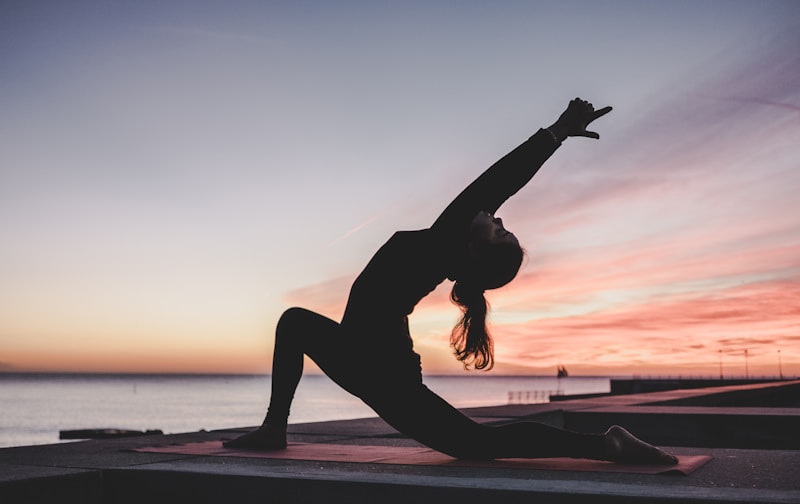
Struggling to fall asleep or waking up with stiff muscles? The answer might be simpler than you think. Stretching before bed is a powerful yet underutilized practice that can transform your sleep quality and help you wake up feeling refreshed.
Why Stretch Before Bed?
The Science Behind Nighttime Stretching
When you stretch before sleep, several beneficial processes occur:
- Activates the parasympathetic nervous system - Triggers your body’s “rest and digest” mode
- Releases muscle tension - Eliminates physical stress accumulated during the day
- Lowers cortisol levels - Reduces the stress hormone that keeps you awake
- Increases blood flow - Helps nutrients reach muscles for overnight repair
- Calms the mind - Creates a ritual that signals it’s time to sleep
Research-Backed Benefits
Studies show that people who stretch before bed experience:
- 23% improvement in sleep quality
- Faster sleep onset (falling asleep more quickly)
- Reduced nighttime awakenings
- Less morning stiffness and pain
- Lower anxiety and stress levels
The 10 Best Stretches for Better Sleep
Perform these stretches in order, holding each for 30-60 seconds. Breathe deeply and move slowly.
1. Neck Rolls and Tilts
Target: Neck and upper shoulders
How to do it:
- Sit comfortably with spine straight
- Slowly drop your chin to chest
- Roll your head gently to the right, then back, then left
- Return to center and tilt ear toward each shoulder
Why it works: Releases tension from looking at screens all day.
2. Seated Forward Fold
Target: Hamstrings, lower back, spine
How to do it:
- Sit with legs extended
- Inhale, reach arms overhead
- Exhale, fold forward from hips
- Reach toward your toes (don’t force it)
- Let your head hang heavy
3. Supine Spinal Twist
Target: Spine, lower back, hips
How to do it:
- Lie on your back
- Bring right knee to chest
- Guide it across your body to the left
- Extend right arm out to the side
- Turn head to look at right hand
- Repeat on the other side
Why it works: Decompresses the spine and releases lower back tension.
4. Child’s Pose (Balasana)
Target: Back, shoulders, hips, thighs
How to do it:
- Kneel on the floor
- Sit back on your heels
- Fold forward, arms extended or by your sides
- Rest forehead on the ground
- Breathe deeply into your back
Why it works: One of the most calming poses—instantly activates relaxation response.
5. Figure-Four Stretch
Target: Hips, glutes, piriformis
How to do it:
- Lie on your back
- Cross right ankle over left thigh
- Pull left thigh toward chest
- Keep right knee open to the side
- Hold, then switch sides
Why it works: Releases deep hip tension from sitting all day.
6. Cat-Cow Stretch
Target: Entire spine, neck, shoulders
How to do it:
- Start on hands and knees
- Cow: Inhale, drop belly, lift head and tailbone
- Cat: Exhale, round spine, tuck chin and tailbone
- Flow between positions slowly
- Repeat 8-10 times
7. Legs Up the Wall (Viparita Karani)
Target: Legs, lower back, nervous system
How to do it:
- Sit sideways next to a wall
- Swing legs up the wall as you lie back
- Scoot hips close to the wall
- Rest arms by your sides, palms up
- Stay for 2-5 minutes
Why it works: Promotes venous drainage and deeply calms the nervous system.
8. Happy Baby Pose
Target: Hips, inner thighs, lower back
How to do it:
- Lie on your back
- Draw knees toward armpits
- Grab the outer edges of your feet
- Gently pull down while pressing feet up
- Rock side to side if it feels good
9. Butterfly Stretch (Supta Baddha Konasana)
Target: Inner thighs, hips, groin
How to do it:
- Lie on your back
- Bring soles of feet together
- Let knees fall open to the sides
- Place hands on belly or extend arms
- Use pillows under knees for support if needed
10. Corpse Pose (Savasana)
Target: Full body relaxation
How to do it:
- Lie flat on your back
- Let feet fall open naturally
- Arms by sides, palms facing up
- Close your eyes
- Breathe naturally for 3-5 minutes
Why it works: Integrates all the stretching and prepares your body for sleep.
Creating Your Nighttime Stretching Routine
Optimal Timing
- 30-60 minutes before bed is ideal
- Allows heart rate and body temperature to stabilize
- Gives your mind time to transition to sleep mode
Setting the Environment
- Dim the lights - Bright lights suppress melatonin
- Keep it quiet - Soft music or silence
- Comfortable temperature - Slightly cool is best
- Use a yoga mat or soft carpet - Comfortable surface
Duration Recommendations
| Goal | Duration |
|---|---|
| Quick relaxation | 5-10 minutes |
| Standard routine | 15-20 minutes |
| Deep relaxation | 30+ minutes |
Tips for Maximum Benefit
Do’s
✅ Breathe deeply - Inhale for 4 counts, exhale for 6-8 counts
✅ Move slowly - No rushing or bouncing
✅ Listen to your body - Stretch to mild tension, not pain
✅ Be consistent - Make it a nightly habit
✅ Stay warm - Wear comfortable, loose clothing
Don’ts
❌ Don’t stretch to the point of pain
❌ Avoid intense or vigorous stretching
❌ Don’t use your phone during the routine
❌ Skip caffeine at least 4-6 hours before
❌ Don’t eat heavy meals right before stretching
Combining Stretching with Other Sleep Hygiene Practices
For best results, pair your stretching routine with:
- Consistent sleep schedule - Same bedtime and wake time
- Cool, dark bedroom - 65-68°F (18-20°C) is optimal
- No screens 1 hour before bed - Blue light disrupts melatonin
- Relaxation techniques - Pair with meditation or breathing exercises
- Journaling - Write down worries before stretching
Who Should Be Careful?
Consult a healthcare provider before starting if you have:
- Recent injuries or surgeries
- Chronic pain conditions
- Pregnancy (some modifications needed)
- Severe mobility limitations
The Bottom Line
Stretching before bed is one of the simplest yet most effective ways to improve your sleep quality. It costs nothing, takes just 10-20 minutes, and the benefits compound over time.
Start tonight with just 3-4 stretches and gradually build your routine. Your body will thank you with deeper, more restorative sleep.
Key Takeaways:
- Stretch 30-60 minutes before bed for best results
- Focus on gentle, relaxing stretches—not intense ones
- Combine with deep breathing for maximum relaxation
- Consistency matters more than duration
- Create a calming environment to enhance the effect
Sweet dreams start with a good stretch. 🌙
Disclaimer: This article is for informational purposes only. Consult a healthcare professional if you have injuries or medical conditions before starting a new stretching routine.