Plant-Based Diet: Complete Guide to Health Benefits and Getting Started
The plant-based diet has moved from niche to mainstream, and for good reason. Research consistently shows that eating more plants and fewer animal products can dramatically improve your health, extend your lifespan, and even benefit the planet. But what exactly does “plant-based” mean, and how do you do it right?
What Is a Plant-Based Diet?
A plant-based diet focuses on foods derived from plants, including:
- Vegetables and leafy greens
- Fruits of all varieties
- Whole grains (quinoa, oats, brown rice, barley)
- Legumes (beans, lentils, chickpeas)
- Nuts and seeds
- Plant-based proteins (tofu, tempeh, seitan)
Plant-Based vs. Vegan vs. Vegetarian
| Diet Type | Definition |
|---|---|
| Plant-Based | Emphasizes plants; may include small amounts of animal products |
| Vegetarian | Excludes meat and fish; may include dairy and eggs |
| Vegan | Excludes all animal products including dairy, eggs, and honey |
A plant-based diet is often more flexible, focusing on what you add rather than strictly what you eliminate.
Science-Backed Health Benefits
1. Heart Health
Plant-based eating is one of the best things you can do for your heart:
- Reduces LDL cholesterol by 10-15% on average
- Lowers blood pressure naturally
- Decreases risk of heart disease by up to 40%
- Reduces inflammation throughout the body
A landmark study in the Journal of the American Heart Association found that people following a plant-based diet had a 32% lower risk of dying from cardiovascular disease.
2. Weight Management
Plants are naturally lower in calories and higher in fiber:
- Fiber keeps you full longer with fewer calories
- Water content in produce adds volume without calories
- Lower calorie density means larger portions
- Plant eaters have lower BMI on average
3. Diabetes Prevention and Management
A plant-based diet is highly effective for blood sugar control:
- Improves insulin sensitivity by up to 60%
- Reduces risk of Type 2 diabetes by 23-34%
- For diabetics: can reduce or eliminate medication needs
- Fiber slows sugar absorption for stable blood glucose
4. Cancer Prevention
Research links plant-based eating to lower cancer risk:
- Fiber promotes healthy gut bacteria and reduces colorectal cancer risk
- Antioxidants neutralize cell-damaging free radicals
- Phytochemicals have anti-cancer properties
- Lower rates of breast, prostate, and colorectal cancers in plant-based eaters
5. Digestive Health
Your gut thrives on plants:
- Fiber feeds beneficial gut bacteria
- Diverse plant foods create a diverse microbiome
- Reduced inflammation in the digestive tract
- Better bowel regularity and reduced constipation
6. Longevity
Blue Zone populations—who live the longest—share a common trait: mostly plant-based diets.
- Up to 10-15 additional years of life expectancy
- Lower rates of age-related diseases
- Better cognitive function in later years
- Maintained mobility and independence
Essential Nutrients to Watch
When eating plant-based, pay attention to these nutrients:
Vitamin B12
- Why it matters: Essential for nerve function and DNA synthesis
- Challenge: Only found naturally in animal products
- Solution: Take a B12 supplement (2,500 mcg weekly or 250 mcg daily) or eat fortified foods
Iron
- Why it matters: Carries oxygen in blood
- Challenge: Plant iron (non-heme) is less absorbable
- Solution: Eat iron-rich plants (lentils, spinach, tofu) with vitamin C to boost absorption
Omega-3 Fatty Acids
- Why it matters: Brain health and inflammation control
- Challenge: ALA from plants must convert to EPA/DHA
- Solution: Include flaxseeds, chia seeds, walnuts; consider algae-based DHA supplement
Protein
- Why it matters: Muscle maintenance and repair
- Challenge: Requires combining different plant sources
- Solution: Eat varied legumes, grains, nuts, and seeds throughout the day
Calcium
- Why it matters: Bone health
- Solution: Fortified plant milks, tofu made with calcium sulfate, kale, bok choy
Vitamin D
- Why it matters: Immune function, bone health
- Solution: Sun exposure (15-20 min daily) or supplement with D3 (vegan options available)
How to Transition Successfully
Week 1-2: Add Before Subtracting
- Add one plant-based meal per day
- Explore new vegetables and grains
- Try plant-based milk in your coffee
- Keep a food journal to track how you feel
Week 3-4: Increase Plant Ratio
- Make lunch plant-based most days
- Experiment with legumes as protein sources
- Find 3-4 recipes you genuinely enjoy
- Stock your pantry with staples
Week 5-6: Major Shift
- Make dinner plant-based 5+ days per week
- Limit animal products to occasional use
- Master meal prep for busy days
- Join online communities for support
Week 7+: Fine-Tuning
- Address any nutrient gaps with supplements
- Continue expanding recipe repertoire
- Listen to your body and adjust
- Make it sustainable, not perfect
A Day of Plant-Based Eating
Breakfast
Overnight Oats with Berries
- 1/2 cup rolled oats
- 1 cup plant milk
- 1 tbsp chia seeds
- 1/2 cup mixed berries
- 1 tbsp almond butter
- Maple syrup to taste
Lunch
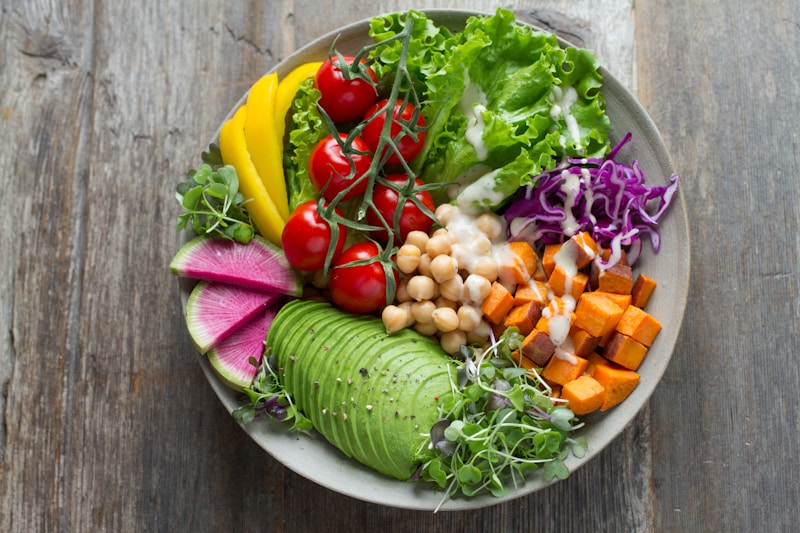
Buddha Bowl
- 1 cup cooked quinoa
- 1/2 cup chickpeas (roasted with spices)
- Mixed greens
- Roasted sweet potato
- Avocado slices
- Tahini dressing
Dinner
Lentil Bolognese
- 1 cup cooked lentils
- Marinara sauce with vegetables
- Whole grain pasta
- Nutritional yeast “parmesan”
- Side salad
Snacks
- Apple with almond butter
- Hummus with veggie sticks
- Trail mix with nuts and dried fruit
- Edamame with sea salt
Common Challenges and Solutions
“I Miss Cheese”
- Try nutritional yeast for cheesy flavor
- Quality cashew-based cheeses are excellent
- Give it 3 weeks—taste preferences change
“I’m Always Hungry”
- Increase healthy fats (avocado, nuts, olive oil)
- Eat more protein-rich legumes
- Include fiber at every meal
- You may just need larger portions of plants
“It’s Too Expensive”
- Buy dried beans instead of canned
- Eat seasonally for lower prices
- Frozen vegetables are nutritious and affordable
- Reduce spending on processed foods
“I Don’t Know How to Cook”
- Start with simple recipes (stir-fries, grain bowls)
- Use a meal kit service to learn
- Batch cook on weekends
- YouTube has endless tutorials
“My Family Won’t Eat This”
- Make plant-based versions of family favorites
- Start with familiar dishes (pasta, tacos, stir-fry)
- Let everyone customize their bowl
- Lead by example, don’t force
Quick Plant-Based Swaps
| Instead of… | Try… |
|---|---|
| Cow’s milk | Oat, almond, or soy milk |
| Ground beef | Lentils, mushrooms, or tempeh |
| Cheese | Nutritional yeast or cashew cheese |
| Eggs (baking) | Flax eggs (1 tbsp flax + 3 tbsp water) |
| Mayo | Avocado or hummus |
| Butter | Olive oil or nut butter |
| Yogurt | Coconut or soy yogurt |
The Bottom Line
A plant-based diet isn’t about perfection—it’s about progress. Every plant-based meal is a step toward better health. The science is clear: more plants, more fiber, more phytonutrients equals less disease and more vitality.
Key Takeaways:
- Start by adding plants, not just eliminating foods
- Focus on whole foods over processed plant products
- Supplement B12 and consider vitamin D
- Transition gradually for sustainable change
- Listen to your body and adjust as needed
You don’t have to be 100% plant-based to benefit. Even reducing animal products by 50% can significantly improve your health. Start where you are, and let plants lead the way.
Disclaimer: This article is for informational purposes only. Consult a registered dietitian or healthcare provider before making significant dietary changes, especially if you have existing health conditions.