Core Strengthening Exercises: Build a Rock-Solid Foundation for Total Body Fitness
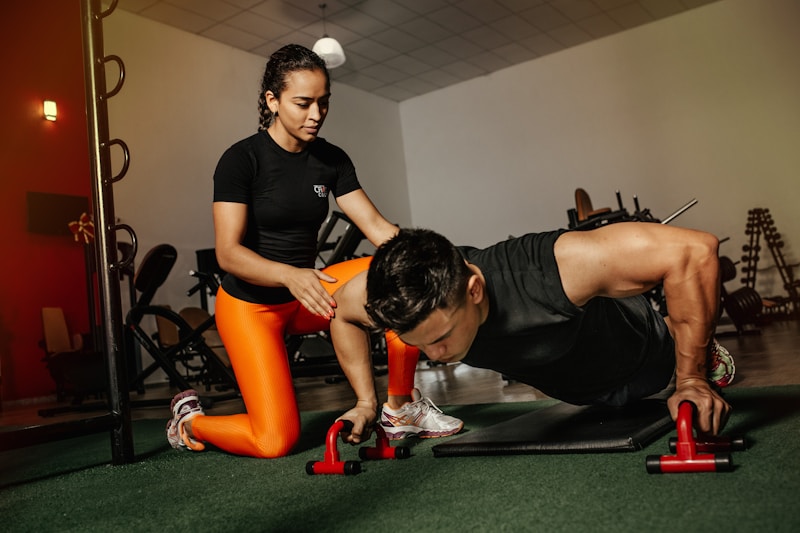
Your core is more than just a six-pack. It’s the foundation of every movement you make—from picking up groceries to throwing a punch, from maintaining balance to protecting your spine. A strong core isn’t about aesthetics; it’s about function, longevity, and living without pain.
What Is Your Core, Really?
Many people think “core = abs,” but your core is actually a complex system of muscles that wraps around your entire midsection:
The Core Muscle System
Anterior (Front):
- Rectus abdominis (six-pack muscles)
- Transverse abdominis (deep stabilizer)
- Internal/external obliques
Posterior (Back):
- Erector spinae (spinal muscles)
- Multifidus (deep spine stabilizers)
- Quadratus lumborum
Lateral & Deep:
- Diaphragm (breathing muscle)
- Pelvic floor muscles
- Hip flexors (psoas, iliacus)
- Gluteal muscles (connection point)
Why Core Strength Matters
A strong core provides:
- Spinal protection - Reduces injury risk
- Better posture - Prevents chronic pain
- Improved balance - Essential for aging well
- Athletic performance - Power transfer efficiency
- Daily function - Easier everyday movements
- Reduced back pain - The #1 benefit for most people
The Four Pillars of Core Training
1. Anti-Extension
Resisting excessive arching of the lower back
Key exercises:
- Planks
- Dead bugs
- Ab wheel rollouts
- Body saws
2. Anti-Rotation
Resisting twisting forces on the spine
Key exercises:
- Pallof press
- Bird dogs
- Single-arm carries
- Cable anti-rotation holds
3. Anti-Lateral Flexion
Resisting side-bending forces
Key exercises:
- Side planks
- Suitcase carries
- Single-leg deadlifts
- Copenhagen planks
4. Hip Flexion with Neutral Spine
Moving hips while maintaining spine stability
Key exercises:
- Hanging leg raises
- Reverse crunches
- Mountain climbers (slow, controlled)
- Knee tucks
Essential Core Exercises
Beginner Level
1. Dead Bug Anti-extension, coordination
How to:
- Lie on back, arms straight up, knees at 90°
- Press lower back into floor
- Slowly lower opposite arm and leg
- Return to start, alternate sides
Sets/Reps: 3 x 8-10 each side Focus: Keep lower back glued to floor
2. Bird Dog Anti-rotation, coordination
How to:
- Start on hands and knees
- Extend opposite arm and leg
- Keep hips level, don’t rotate
- Hold 2 seconds, return slowly
Sets/Reps: 3 x 8-10 each side Focus: Quality over speed
3. Glute Bridge Hip extension, posterior chain
How to:
- Lie on back, knees bent, feet flat
- Drive through heels, lift hips
- Squeeze glutes at top
- Lower with control
Sets/Reps: 3 x 15-20 Focus: Feel it in glutes, not lower back
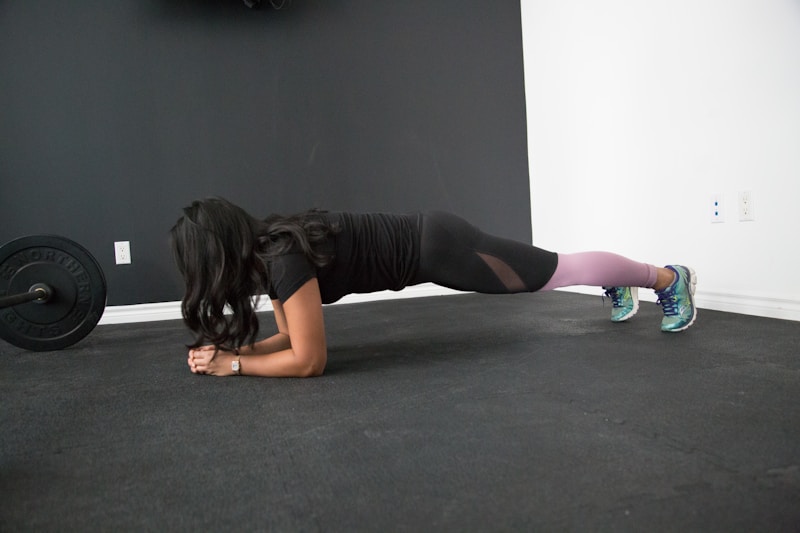
4. Forearm Plank Anti-extension, total core
How to:
- Forearms on floor, elbows under shoulders
- Body in straight line from head to heels
- Engage core, squeeze glutes
- Breathe normally
Duration: 3 x 20-45 seconds Focus: No sagging or piking
Intermediate Level
5. Pallof Press Anti-rotation, core stability
How to:
- Stand sideways to cable/band
- Hold at chest, arms bent
- Press straight out, resist rotation
- Hold 2-3 seconds, return
Sets/Reps: 3 x 10-12 each side Focus: Keep hips and shoulders square
6. Side Plank Anti-lateral flexion
How to:
- Stack feet or stagger them
- Lift hips to make straight line
- Top arm on hip or reaching up
- Keep hips from dropping
Duration: 3 x 20-30 seconds each side Focus: Drive hips up, not forward
7. Hollow Body Hold Anti-extension, gymnastic foundation
How to:
- Lie on back, arms overhead
- Press lower back into floor
- Lift arms, shoulders, and legs slightly
- Create a “banana” shape
Duration: 3 x 15-30 seconds Focus: Lower back MUST stay pressed down
8. Mountain Climbers (Slow) Hip flexion, anti-extension
How to:
- Start in push-up position
- Slowly bring knee to chest
- Return with control
- Alternate sides
Sets/Reps: 3 x 10-15 each side Focus: No hip bouncing or piking
Advanced Level
9. Ab Wheel Rollout Anti-extension, advanced
How to:
- Kneel behind ab wheel
- Roll forward, keeping core tight
- Go as far as you can control
- Pull back using abs, not arms
Sets/Reps: 3 x 8-12 Focus: If back arches, reduce range
10. Hanging Leg Raise Hip flexion, grip strength
How to:
- Hang from bar with straight arms
- Lift legs to parallel or higher
- Lower with control
- Minimize swinging
Sets/Reps: 3 x 8-12 Focus: Control the descent
11. Copenhagen Plank Anti-lateral flexion, advanced
How to:
- Side plank with top leg on bench
- Bottom leg hanging or supporting
- Lift hips to straight line
- Hold position
Duration: 3 x 15-25 seconds each side Focus: Adductor and core integration
12. Turkish Get-Up Total body integration
How to:
- Lie on back, weight in one hand
- Stand up in controlled sequence
- Reverse the movement back down
- Keep arm locked out throughout
Sets/Reps: 2-3 x 3-5 each side Focus: Learn pattern before adding weight
Workout Programs
Beginner Core Routine (15 minutes, 3x/week)
Warm-up:
- Cat-cow stretches: 10 reps
- Hip circles: 10 each direction
Circuit (2-3 rounds):
- Dead bugs: 8 each side
- Glute bridges: 15 reps
- Bird dogs: 8 each side
- Forearm plank: 20-30 seconds
- Rest 60 seconds between rounds
Intermediate Core Routine (20 minutes, 3x/week)
Warm-up:
- Dead bugs: 6 each side
- Cat-cow: 10 reps
Circuit A (2 rounds):
- Pallof press: 10 each side
- Hollow body hold: 20 seconds
- Side plank: 20 seconds each side
Circuit B (2 rounds):
- Slow mountain climbers: 10 each side
- Bird dog with pause: 8 each side
- Plank to push-up: 8 reps
Advanced Core Routine (25 minutes, 3-4x/week)
Warm-up:
- World’s greatest stretch: 5 each side
- Dead bugs: 10 each side
Strength Block:
- Ab wheel rollouts: 3 x 10
- Hanging leg raises: 3 x 10
- Copenhagen plank: 3 x 20 seconds each
- Rest 60-90 seconds between sets
Finisher:
- Pallof hold: 30 seconds each side
- Hollow body: 30 seconds
- Plank: 45 seconds
Common Core Training Mistakes
1. Too Many Crunches
Crunches only train one movement pattern (spinal flexion) and can stress the spine. Focus on anti-movement exercises instead.
2. Ignoring the Posterior Core
Your back muscles are part of your core. Include exercises like bird dogs and hip hinges.
3. Holding Breath
Breathe! Holding breath raises blood pressure and reduces performance. Master breathing during planks first.
4. Chasing Duration Over Quality
A perfect 20-second plank beats a sloppy 2-minute plank. Form first, duration second.
5. Only Training Abs
Core includes hips, glutes, and back. Train the entire cylinder, not just the front.
6. Using Momentum
Swinging through exercises (like sit-ups) removes core engagement. Slow, controlled movements win.
Core Training for Specific Goals
For Back Pain Relief
Focus on:
- Dead bugs (top priority)
- Bird dogs
- Glute bridges
- Side planks
- McGill Big Three
Avoid:
- Full sit-ups
- Excessive spinal flexion
- Heavy rotation exercises initially
For Athletic Performance
Focus on:
- Pallof press variations
- Medicine ball throws
- Turkish get-ups
- Suitcase carries
- Explosive movements with stable core
For Better Posture
Focus on:
- Dead bugs (trains neutral spine)
- Planks (builds awareness)
- Bird dogs (back integration)
- Glute activation
For Visible Abs
Requirements:
- Core exercises (builds muscle)
- Body fat reduction (nutrition priority)
- Progressive overload
- Adequate protein intake
How Often Should You Train Core?
Frequency Options:
Option 1: Dedicated Days
- 2-3 dedicated 15-20 minute sessions per week
- Best for focused development
Option 2: Integrated Training
- Core exercises within other workouts
- 5-10 minutes after strength training
- Works well for busy schedules
Option 3: Daily Mini Sessions
- 5 minutes every morning
- Focus on variety
- Great for beginners
Progressive Overload for Core
Unlike other muscles, you can’t easily add weight to most core exercises. Progress through:
- Time under tension - Longer holds, slower reps
- Lever length - Arms/legs extended further
- Stability reduction - Using Swiss ball, single leg
- Adding load - Weighted planks, medicine balls
- Movement complexity - Combining patterns
- Reducing support - Fewer contact points
Sample Weekly Schedule
Monday - Full Body Strength + Core
- After lifting: Pallof press, dead bugs, plank
Wednesday - Cardio/Conditioning + Core
- Core circuit: 15 minutes as warm-up
Friday - Full Body Strength + Core
- After lifting: Side planks, hollow hold, bird dogs
Weekend - Active Recovery
- Light movement, optional yoga
The Bottom Line
Core training isn’t about six-pack abs—it’s about building a foundation for everything you do. A strong, stable core:
- Protects your spine
- Improves every other exercise
- Reduces injury risk
- Eliminates many causes of back pain
- Enhances athletic performance
Key takeaways:
- Train all four pillars: anti-extension, anti-rotation, anti-lateral flexion, and hip flexion
- Quality beats quantity—perfect form over long duration
- Include posterior core (back muscles) in your training
- Progress through complexity, not just difficulty
- Consistency of 15-20 minutes, 3x/week is enough
Start with the beginner routine. Master dead bugs and planks. Progress when form is perfect. Your spine will thank you for decades to come.
Disclaimer: This article is for informational purposes only. If you have existing back problems or medical conditions, consult a healthcare professional before starting any exercise program.