Resistance Training for Beginners: Build Strength, Burn Fat, and Transform Your Body
Resistance training isn’t just for bodybuilders. Whether you’re 25 or 65, lifting weights (or using your own body weight) is one of the most evidence-backed ways to improve your health, body composition, and quality of life. Yet many people avoid it because it feels intimidating. This guide removes the mystery and gets you started safely.
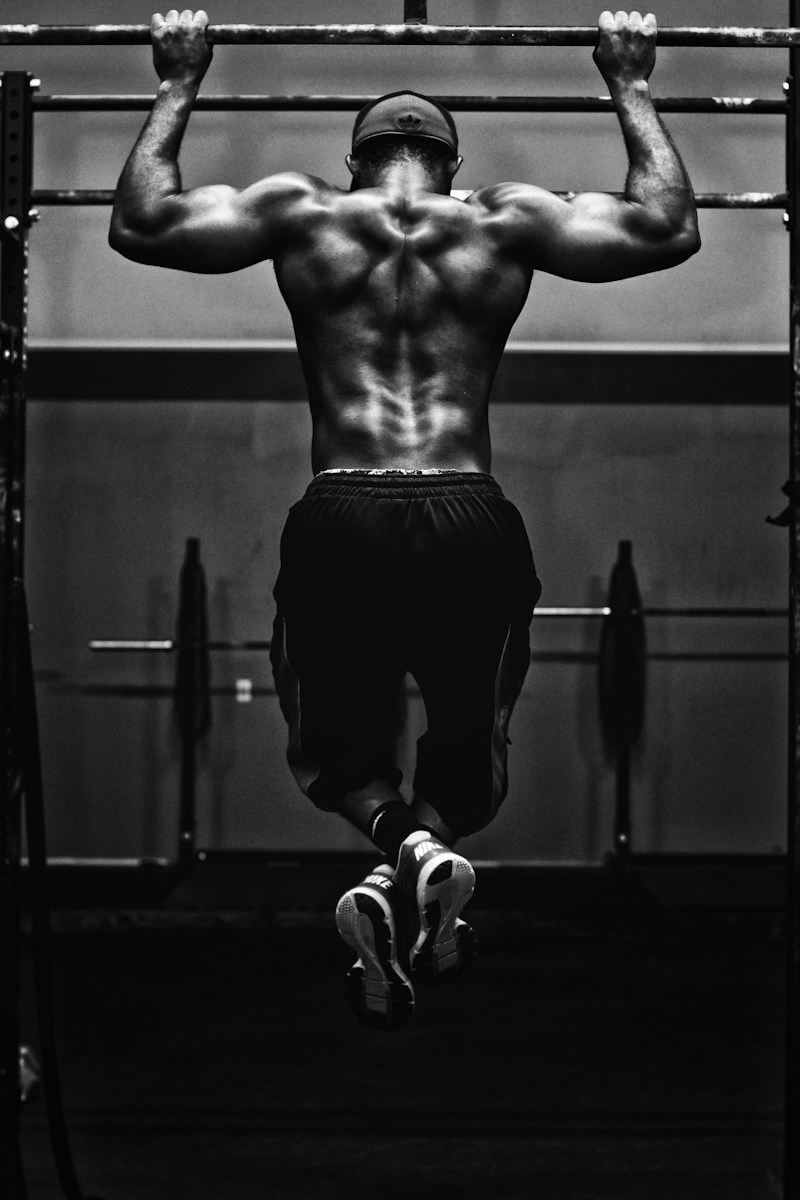
Why Resistance Training Matters
The benefits go far beyond aesthetics:
- Increased muscle mass: Prevents age-related muscle loss (sarcopenia)
- Higher metabolic rate: Muscle burns more calories at rest than fat
- Stronger bones: Resistance training increases bone density, reducing osteoporosis risk
- Better insulin sensitivity: Helps regulate blood sugar
- Improved mental health: Reduces symptoms of anxiety and depression
- Functional strength: Makes everyday activities easier
- Longevity: Studies link resistance training to reduced all-cause mortality
Getting Started: The Fundamentals
Equipment Options
You don’t need a fancy gym. Here’s what works:
At Home:
- Resistance bands (versatile and affordable)
- Adjustable dumbbells
- Bodyweight exercises (push-ups, squats, lunges)
- A pull-up bar
At the Gym:
- Free weights (dumbbells, barbells)
- Cable machines
- Smith machine (good for beginners)
- Bodyweight stations
Key Principles
- Progressive overload: Gradually increase weight, reps, or sets over time
- Proper form first: Never sacrifice form for heavier weight
- Compound movements: Focus on exercises that work multiple muscle groups
- Adequate rest: Muscles grow during recovery, not during the workout
- Consistency: 2-3 sessions per week is enough for significant results
The Best Beginner Exercises
Upper Body
Push-ups (chest, shoulders, triceps)
- Start with wall push-ups or knee push-ups if needed
- Work toward standard push-ups
- Target: 3 sets of 8-12 reps
Dumbbell Rows (back, biceps)
- Use a bench for support
- Pull the weight toward your hip
- Target: 3 sets of 10-12 reps per side
Overhead Press (shoulders, triceps)
- Start seated for stability
- Press dumbbells straight overhead
- Target: 3 sets of 8-10 reps
Lower Body
Goblet Squats (quads, glutes, core)
- Hold a dumbbell at chest height
- Sit back and down, keeping chest up
- Target: 3 sets of 10-15 reps
Romanian Deadlifts (hamstrings, glutes, lower back)
- Hinge at the hips with slight knee bend
- Keep the weight close to your legs
- Target: 3 sets of 10-12 reps
Walking Lunges (quads, glutes, balance)
- Take large steps forward
- Both knees should reach 90 degrees
- Target: 3 sets of 10 steps per leg
Core
Plank (entire core)
- Maintain a straight line from head to heels
- Start with 20-30 seconds, build to 60+
- Target: 3 sets
Dead Bug (deep core, coordination)
- Lie on back, extend opposite arm and leg
- Keep lower back pressed to the floor
- Target: 3 sets of 8 reps per side
Your First 4-Week Program
Week 1-2: Foundation Phase
3 days per week (e.g., Monday, Wednesday, Friday)
Full body each session:
- Goblet Squats — 2 sets × 10 reps
- Push-ups (modified if needed) — 2 sets × 8 reps
- Dumbbell Rows — 2 sets × 10 reps per side
- Walking Lunges — 2 sets × 8 per leg
- Plank — 2 sets × 20-30 seconds
Week 3-4: Progression Phase
3 days per week
Full body with increased volume:
- Goblet Squats — 3 sets × 12 reps
- Push-ups — 3 sets × 10 reps
- Dumbbell Rows — 3 sets × 12 reps per side
- Romanian Deadlifts — 3 sets × 10 reps
- Overhead Press — 3 sets × 8 reps
- Plank — 3 sets × 30-45 seconds
Common Mistakes to Avoid
1. Going Too Heavy Too Soon
Your muscles adapt faster than tendons and ligaments. Start lighter than you think, and progress gradually.
2. Skipping the Warm-Up
5-10 minutes of light cardio plus dynamic stretching prepares your body and reduces injury risk.
3. Neglecting Rest Days
Muscles need 48 hours to recover between training sessions for the same muscle group. Rest is when growth happens.
4. Only Doing “Mirror Muscles”
Don’t just train what you can see (chest, biceps, abs). Back, hamstrings, and glutes are equally important for balanced strength and posture.
5. Ignoring Nutrition
You can’t out-train a bad diet. Ensure adequate protein intake (1.6-2.2g per kg of body weight) to support muscle recovery.

Nutrition for Resistance Training
Protein Priority
Protein is the building block of muscle. Aim for:
- Per meal: 20-40g of protein
- Per day: 1.6-2.2g per kg of body weight
- Best sources: Chicken, fish, eggs, Greek yogurt, tofu, legumes
Timing Matters (But Not as Much as You Think)
- Eat protein within 2 hours post-workout
- Pre-workout meal 1-2 hours before training
- Total daily intake matters more than exact timing
Hydration
Dehydrated muscles perform worse and recover slower. Drink at least 2-3 liters of water daily, more on training days.
How to Stay Consistent
- Schedule it: Treat workouts like appointments
- Track progress: Use a notebook or app to log weights and reps
- Find accountability: Training partner or online community
- Celebrate small wins: First real push-up? That’s huge!
- Expect plateaus: They’re normal — adjust and push through
When to Level Up
After 4-6 weeks of consistent training, consider:
- Splitting routines (upper/lower or push/pull/legs)
- Adding isolation exercises
- Working with a personal trainer for form checks
- Increasing to 4 sessions per week
Key Takeaways
- Resistance training benefits everyone, regardless of age or fitness level
- Start with compound movements and proper form
- Progressive overload is the key to continued improvement
- Nutrition and rest are just as important as the workout itself
- Consistency beats intensity — show up regularly, and results will follow
The hardest rep is the one that gets you off the couch. Start today, even if it’s just 15 minutes of bodyweight exercises. Your future self will thank you.
This article is for informational purposes only. Consult a healthcare professional before starting any new exercise program, especially if you have pre-existing conditions.