Gut Health & Probiotics: The Complete Guide to a Healthier Digestive System
Your gut is often called your “second brain” — and for good reason. The trillions of microorganisms living in your digestive tract influence everything from immunity and mood to weight management and skin health. Understanding and nurturing your gut microbiome is one of the most impactful things you can do for your overall well-being.
What Is the Gut Microbiome?
The gut microbiome refers to the complex community of bacteria, viruses, fungi, and other microorganisms that reside in your gastrointestinal tract. A healthy adult carries roughly 38 trillion bacterial cells — slightly more than human cells in the body.
Why It Matters
- Immune function: About 70% of your immune system resides in your gut
- Mental health: The gut-brain axis directly influences mood and cognition
- Nutrient absorption: Gut bacteria help break down food and synthesize vitamins
- Inflammation control: A balanced microbiome reduces chronic inflammation
- Weight regulation: Certain gut bacteria profiles are linked to healthy weight maintenance
The Best Probiotic Foods
Fermented foods are nature’s probiotic powerhouses. Incorporating these into your daily diet can dramatically improve gut diversity.
Top Probiotic-Rich Foods
- Yogurt — Look for “live and active cultures” on the label
- Kefir — A fermented milk drink with up to 61 strains of bacteria
- Sauerkraut — Raw, unpasteurized versions contain the most probiotics
- Kimchi — Korean fermented vegetables loaded with Lactobacillus
- Kombucha — Fermented tea with beneficial yeasts and bacteria
- Miso — Fermented soybean paste rich in enzymes
- Tempeh — Fermented soybeans with a nutty flavor
Prebiotic Foods (Feed Your Good Bacteria)
Probiotics need fuel. Prebiotics are the fiber-rich foods that nourish beneficial bacteria:
- Garlic and onions
- Bananas (especially slightly green ones)
- Asparagus and artichokes
- Oats and whole grains
- Flaxseeds and chia seeds
Signs of an Unhealthy Gut
Pay attention to these warning signals:
- Chronic bloating or gas after meals
- Food intolerances that seem to worsen over time
- Frequent illness or slow recovery
- Persistent fatigue despite adequate sleep
- Skin issues like eczema, acne, or rosacea
- Mood disturbances including anxiety or depression
- Sugar cravings that feel uncontrollable
How to Improve Your Gut Health
1. Diversify Your Diet
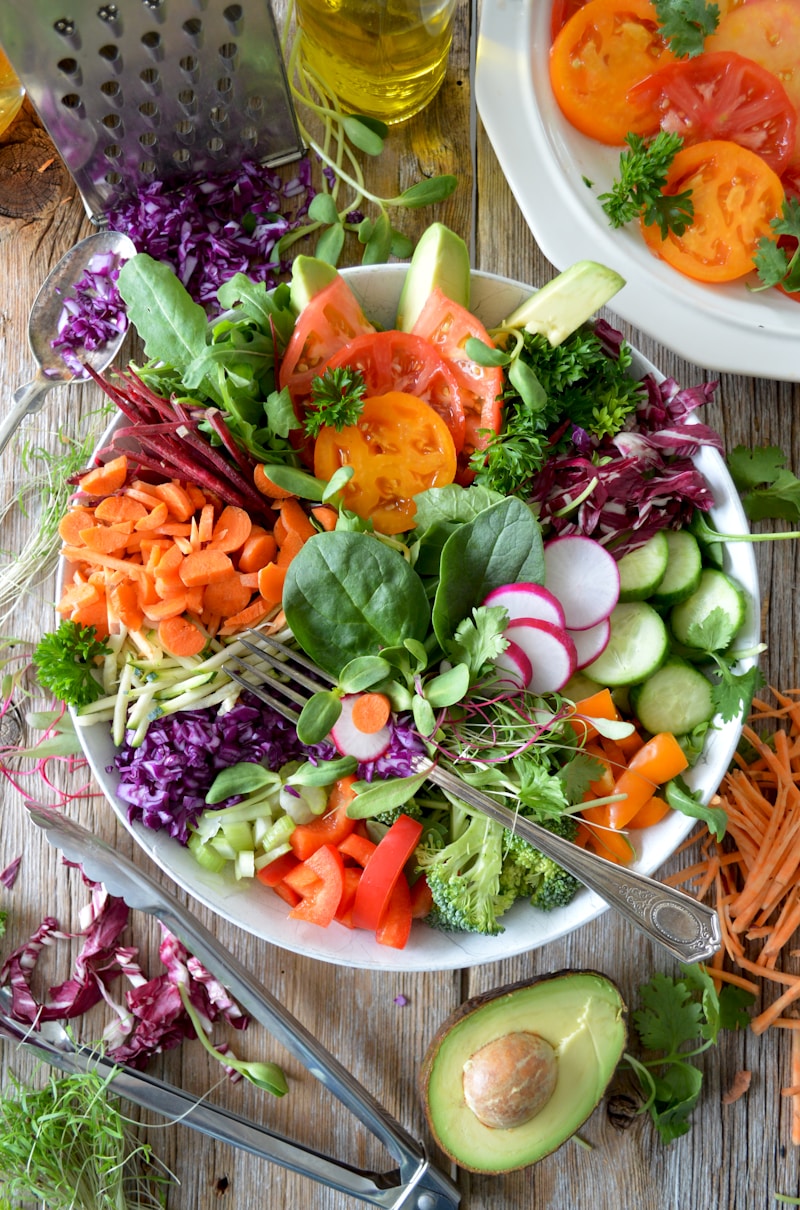
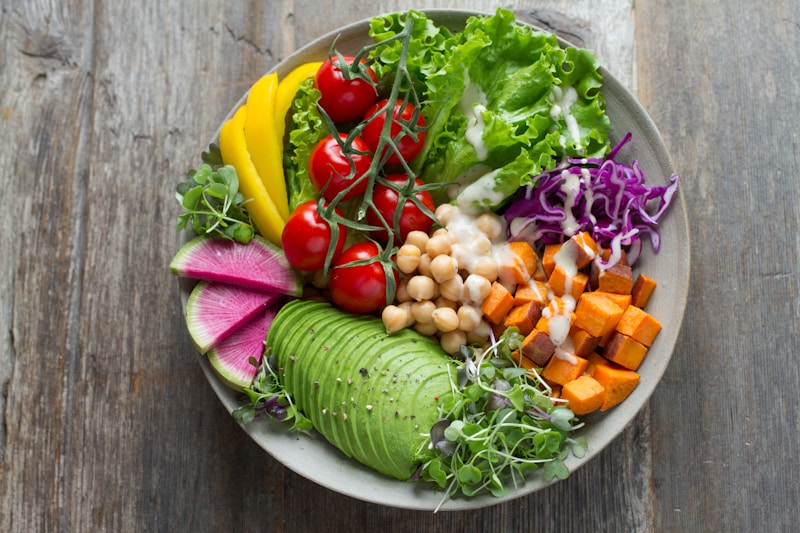
Eat a wide variety of plant-based foods. Research shows that people who consume 30+ different plant foods per week have significantly more diverse microbiomes.
2. Limit Processed Foods
Ultra-processed foods, artificial sweeteners, and excess sugar can reduce microbial diversity and feed harmful bacteria.
3. Manage Stress
Chronic stress directly alters gut bacteria composition through the gut-brain axis. Practices like meditation, deep breathing, and regular exercise help maintain balance.
4. Sleep Well
Poor sleep disrupts the circadian rhythm of gut bacteria. Aim for 7-9 hours of quality sleep each night.
5. Consider a Probiotic Supplement
If you’re recovering from antibiotics or dealing with specific digestive issues, a targeted probiotic supplement can help. Look for:
- Multi-strain formulas with Lactobacillus and Bifidobacterium
- At least 10 billion CFUs per serving
- Third-party testing for quality assurance
The Gut-Brain Connection
The vagus nerve creates a direct communication highway between your gut and brain. This means:
- Serotonin production: About 95% of serotonin is produced in the gut
- Mood regulation: Gut inflammation is linked to depression and anxiety
- Cognitive function: A healthy microbiome supports better focus and memory
- Stress response: Gut bacteria influence cortisol levels
A Simple 7-Day Gut Reset Plan
| Day | Focus |
|---|---|
| 1-2 | Eliminate processed foods, sugar, and alcohol |
| 3-4 | Add fermented foods to every meal |
| 5-6 | Increase fiber intake to 30g+ daily |
| 7 | Establish a sustainable daily routine |
Daily Gut Health Routine
- Morning: Glass of water with lemon, followed by yogurt or kefir
- Lunch: Include a serving of fermented vegetables
- Afternoon: Prebiotic-rich snack (banana, nuts)
- Dinner: Diverse plant foods with whole grains
- Evening: Herbal tea (peppermint or ginger)
Common Myths Debunked
Myth: All bacteria are bad. Truth: Most gut bacteria are beneficial and essential for health.
Myth: Probiotics work immediately. Truth: It typically takes 2-4 weeks to notice significant improvements.
Myth: One probiotic supplement fits all. Truth: Different strains serve different purposes — specificity matters.
Key Takeaways
- Your gut microbiome affects nearly every aspect of health
- Fermented foods are the most natural and effective probiotic source
- Fiber-rich prebiotic foods are equally important
- Stress management and sleep quality directly impact gut health
- Consistency matters more than perfection — small daily habits compound
Start with one change today. Add a serving of fermented food to your next meal, and your gut will thank you.
This article is for informational purposes only and does not constitute medical advice. Consult a healthcare professional for personalized guidance.