Hydration for Health: More Than Just Drinking Water
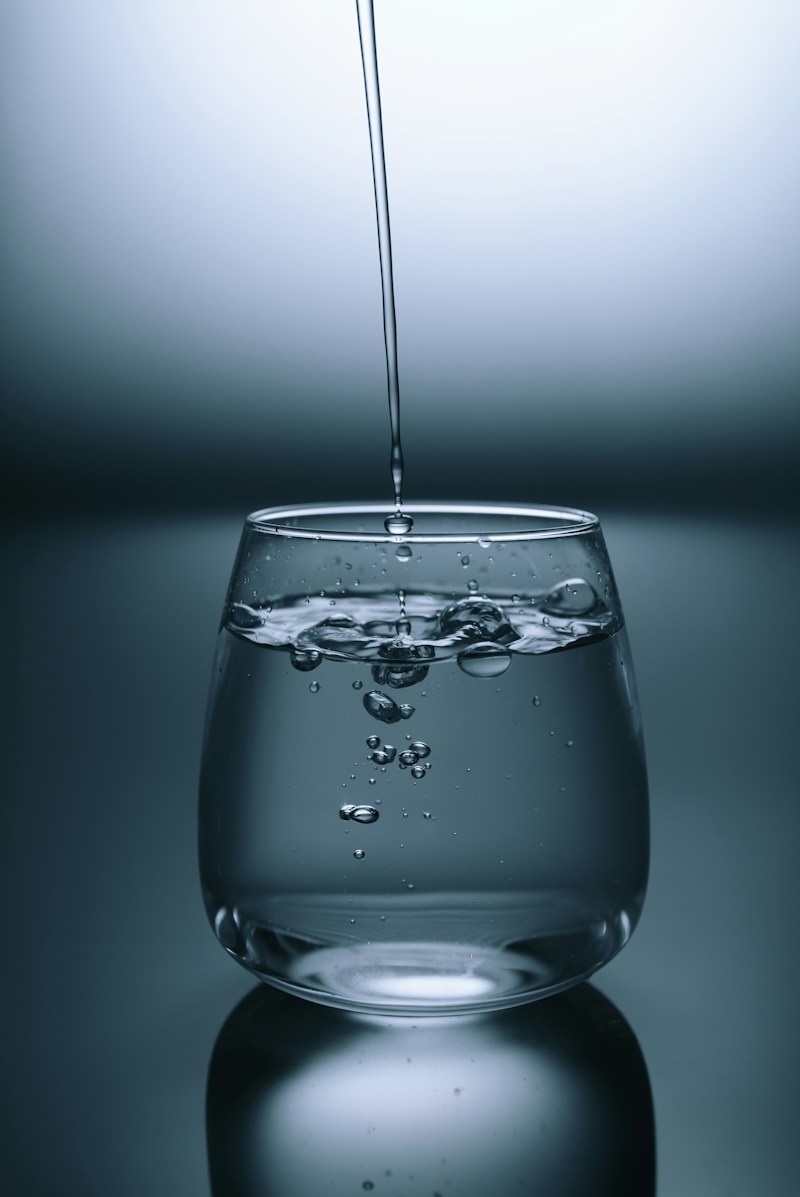
Water makes up roughly 60% of your body weight and is involved in virtually every physiological process. Yet most people are chronically under-hydrated without realizing it. Understanding hydration—beyond the simplistic “8 glasses a day” advice—can significantly impact your energy, cognitive function, and long-term health.
Why Hydration Matters
Water isn’t just for quenching thirst. It’s essential for:
Cellular Function
Every cell in your body requires water to function. Water helps:
- Transport nutrients into cells
- Remove waste products
- Maintain cell structure and shape
- Facilitate chemical reactions
Temperature Regulation
Your body uses water for thermoregulation through:
- Sweating and evaporative cooling
- Blood circulation to the skin
- Preventing overheating during exercise
Cognitive Performance
Your brain is about 75% water. Even mild dehydration (1-2% body weight loss) can:
- Reduce concentration and alertness
- Impair short-term memory
- Increase perceived effort during tasks
- Negatively affect mood
Physical Performance
Dehydration significantly impacts exercise:
- 2% dehydration reduces endurance performance
- 3% impacts strength and power
- Increases core temperature and heart rate
- Accelerates fatigue

Digestion and Metabolism
Water is crucial for:
- Producing saliva and digestive enzymes
- Absorbing nutrients
- Preventing constipation
- Supporting kidney function
- Metabolizing stored fat
How Much Water Do You Really Need?
The 8x8 Myth
The “8 glasses of 8 ounces” rule (about 2 liters) has no scientific basis. It originated from a 1945 recommendation that was taken out of context—it actually included water from all sources, including food.
Better Guidelines
General recommendation:
- Men: About 3.7 liters (125 oz) total water daily
- Women: About 2.7 liters (91 oz) total water daily
- This includes water from beverages AND food (food provides 20-30%)
Factors that increase needs:
- Physical activity
- Hot or humid climate
- High altitude
- Pregnancy or breastfeeding
- Illness (especially fever, vomiting, diarrhea)
- High protein or fiber intake
- Caffeine or alcohol consumption
The Best Indicator: Your Urine
Forget counting glasses. Your body gives you a built-in hydration meter:
| Urine Color | Hydration Status |
|---|---|
| Pale yellow | Well hydrated |
| Light yellow | Adequately hydrated |
| Dark yellow | Mildly dehydrated |
| Amber/Brown | Significantly dehydrated |
Note: Vitamins (especially B vitamins) can turn urine bright yellow regardless of hydration status.
Beyond Plain Water
Hydration isn’t just about water—it’s about water AND electrolytes working together.
The Role of Electrolytes
Electrolytes are minerals that carry electrical charges:
- Sodium: Primary electrolyte for fluid balance
- Potassium: Works with sodium, supports muscle function
- Magnesium: Involved in 300+ enzymatic processes
- Chloride: Works with sodium for fluid balance
- Calcium: Muscle and nerve function
Drinking water without electrolytes can actually worsen hydration if you’re depleted—the water passes through without being properly absorbed.
When You Need Electrolytes
Plain water is usually sufficient for:
- Normal daily activities
- Light exercise under 60 minutes
- Moderate climates
Consider electrolyte supplementation for:
- Intense exercise over 60 minutes
- Exercise in heat/humidity
- Morning workouts (after overnight fast)
- Heavy sweaters
- Low-carb or fasting protocols
- Illness with fluid loss
Natural Electrolyte Sources
- Sodium: Table salt, olives, cheese
- Potassium: Bananas, potatoes, coconut water
- Magnesium: Leafy greens, nuts, dark chocolate
- Calcium: Dairy, fortified foods, sardines
Hydration Timing Strategies
When you drink matters as much as how much:
Morning Hydration
Start your day with water:
- You wake up mildly dehydrated after hours without fluids
- 16-20 oz of water upon waking kickstarts metabolism
- Add a pinch of salt if you feel groggy
Pre-Meal Hydration
Drinking water 30 minutes before meals:
- Aids digestion
- May help with portion control
- Ensures you’re not mistaking thirst for hunger
During Exercise
- Drink 7-10 oz every 10-20 minutes during exercise
- For longer sessions, include electrolytes
- Don’t wait until you’re thirsty—thirst lags behind actual dehydration
Evening Considerations
- Front-load hydration earlier in the day
- Reduce intake 2-3 hours before bed to avoid nighttime waking
- If you wake to urinate multiple times, adjust evening intake
Signs of Dehydration
Early Signs
- Thirst (though this is often a late signal)
- Darker urine
- Dry mouth and lips
- Slight headache
- Mild fatigue
Moderate Dehydration
- Significant thirst
- Reduced urination
- Headache
- Dizziness
- Muscle cramps
- Dry skin
- Rapid heartbeat
Severe Dehydration (Seek Medical Help)
- Little to no urination
- Very dark urine
- Extreme thirst
- Confusion
- Rapid breathing
- Fainting
Overhydration: Yes, It’s Possible
Drinking too much water can be dangerous. Hyponatremia (low blood sodium) occurs when you drink so much water that it dilutes your blood sodium to dangerous levels.
Risk factors:
- Marathon/ultra-endurance events
- Drinking excessive water without electrolytes
- Certain medications
- Kidney problems
Prevention:
- Don’t force excessive water intake
- Include sodium during prolonged exercise
- Listen to your thirst signals
- Monitor urine color rather than hitting arbitrary targets
Practical Hydration Tips
Make It a Habit
- Keep a water bottle visible at your desk
- Set phone reminders if needed
- Drink a glass with each meal
- Associate water with specific activities (after bathroom, before coffee)
Make It Enjoyable
- Add lemon, lime, or cucumber for flavor
- Try herbal teas (count toward hydration)
- Sparkling water is just as hydrating as still
- Experiment with different temperatures
Track If Helpful
- Use a marked water bottle
- Try a hydration tracking app
- Note how you feel at different intake levels
- Pay attention to your personal optimal range
Hydrating Foods
Many foods contribute significantly to hydration:
| Food | Water Content |
|---|---|
| Cucumber | 96% |
| Watermelon | 92% |
| Strawberries | 91% |
| Lettuce | 96% |
| Celery | 95% |
| Tomatoes | 94% |
| Bell peppers | 92% |
Special Considerations
Coffee and Tea
Contrary to popular belief, moderate coffee and tea consumption doesn’t dehydrate you. While caffeine has mild diuretic effects, the water content more than compensates.
Alcohol
Alcohol is genuinely dehydrating:
- Suppresses antidiuretic hormone
- Increases urine output
- Alternate alcoholic drinks with water
- Drink extra water before bed after drinking
Aging
Older adults are at higher dehydration risk:
- Reduced thirst sensation
- Kidney function changes
- Medications may increase fluid needs
- More prone to complications
Conclusion
Proper hydration is one of the simplest yet most impactful things you can do for your health. It affects your energy, cognition, physical performance, digestion, and even your appearance.
Forget rigid rules about glasses per day. Instead:
- Use urine color as your guide
- Drink when thirsty and anticipate needs during exercise
- Include electrolytes when appropriate
- Eat water-rich foods
- Listen to your body
Water is the original health supplement. Use it wisely.
Your body is mostly water. Treat it accordingly.